
Gardening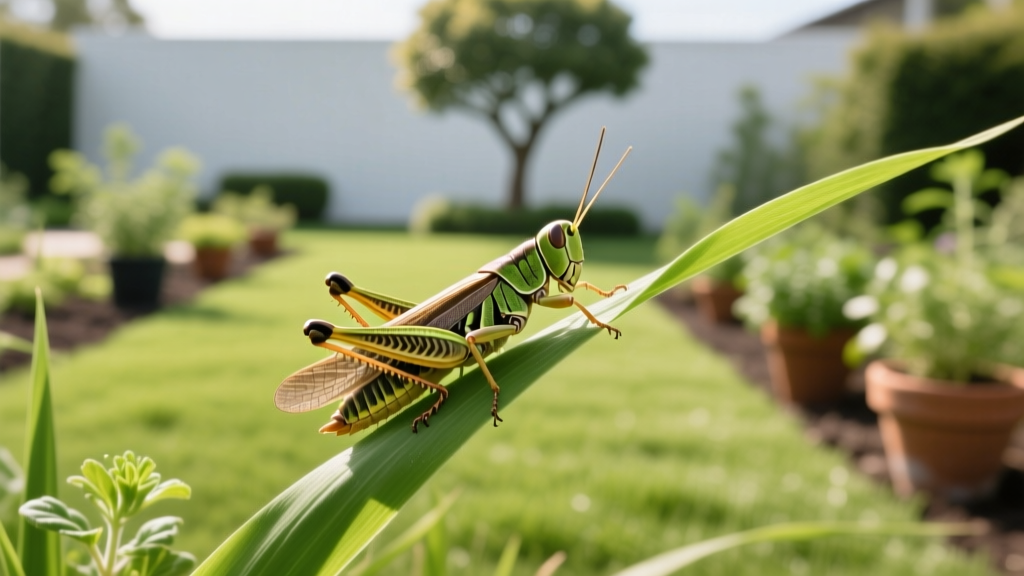
Do Grasshoppers Eat Plants? Identification and Garden Damage Guide
The Short Answer: Yes, Grasshoppers Are Voracious Plant Eaters
To answer the question directly: yes, grasshoppers eat plants. In fact, they are polyphagous herbivores, meaning they consume a wide variety of plant species rather than specializing in just one. A single adult grasshopper can consume up to 50% of its own body weight in green foliage every single day. When populations surge, typically driven by consecutive years of hot, dry weather, they can strip a home vegetable garden or ornamental landscape to bare stems in a matter of hours.
However, not every grasshopper in your yard is a threat. North America is home to over 400 species of grasshoppers, but only a handful—primarily the differential grasshopper (Melanoplus differentialis), the two-striped grasshopper (Melanoplus bivittatus), and the redlegged grasshopper (Melanoplus femurrubrum)—are responsible for the vast majority of agricultural and residential garden damage. Understanding their biology, identifying their specific feeding patterns, and knowing exactly when to intervene are critical steps in protecting your cultivated plants.
Identifying the Culprit: Grasshoppers vs. Other Orthopterans
Homeowners frequently misidentify crickets and katydids as grasshoppers, leading to unnecessary or misdirected pest control efforts. While all three belong to the order Orthoptera, their physical traits, behaviors, and the type of damage they inflict differ significantly. Accurate identification is the foundation of any integrated pest management (IPM) strategy.
| Feature | Grasshoppers (Acrididae) | Crickets (Gryllidae) | Katydids (Tettigoniidae) |
|---|---|---|---|
| Antennae Length | Short (shorter than body) | Long (often longer than body) | Extremely long (thread-like) |
| Activity Period | Diurnal (active in daylight) | Nocturnal (active at night) | Nocturnal (active at night) |
| Primary Diet | Leaves, stems, flowers, crops | Omnivorous (decaying matter, insects, some plants) | Leaves, flowers, occasional insects |
| Garden Threat | Severe (can defoliate entire beds) | Low (mostly nuisance, minor seedling damage) | Low to Moderate (localized leaf chewing) |
The Feeding Mechanics: Recognizing Grasshopper Damage
Grasshoppers possess powerful, heavily sclerotized mandibles designed for shearing and grinding tough plant tissues. Unlike caterpillars, which often leave behind distinct frass (droppings) and skeletonize leaves by eating the tissue between the veins, grasshoppers take massive, irregular, crescent-shaped bites out of the edges of leaves.
On tender seedlings and young transplants, grasshoppers will often clip the plant entirely at the soil line, mimicking the damage caused by cutworms. On tougher, mature foliage, you will notice jagged, torn edges and large holes that lack the neat, circular patterns associated with leafcutter bees or the stippling caused by sap-sucking insects like thrips and spider mites. If you inspect the damaged plants during the heat of the midday sun, you will typically find the grasshoppers themselves resting on the stems or the undersides of the remaining leaves.
Plant Vulnerability: What They Eat and What They Avoid
While grasshoppers are generalists, they exhibit distinct preferences based on plant chemistry, leaf texture, and moisture content. When planning your garden layout or selecting replacement plants during an outbreak year, leveraging these preferences can save your harvest.
Highly Susceptible Plants (The Favorites)
- Vegetables: Sweet corn, lettuce, beans, carrots, and onions are prime targets. Grasshoppers will completely devour the silks of corn, preventing pollination and ruining the ears.
- Ornamentals: Zinnias, marigolds, cosmos, and daylilies are frequently stripped of their petals and foliage.
- Fruit: They will chew directly into the rinds of developing melons and take bites out of ripening tomatoes, introducing secondary bacterial rot.
Resistant Plants (The Deterrents)
Grasshoppers tend to avoid plants with high concentrations of volatile oils, tough or hairy leaves, or toxic secondary metabolites. Incorporating these into your landscape creates natural dead zones for foraging hoppers:
- Herbs: Cilantro, sage, rosemary, lavender, and mint.
- Ornamentals: Salvia, lantana, verbena, blanket flower (Gaillardia), and crepe myrtle.
- Vegetables: Squash and cucumbers are sometimes avoided by adults due to the bitter cucurbitacin compounds in their leaves, though young nymphs may still sample them.
⚠️ The Economic Threshold for Treatment
Do not spray pesticides the moment you see a single grasshopper. According to Colorado State University Extension, the economic threshold that justifies chemical or biological intervention is 10 to 15 nymphs or adults per square yard in the garden bed, or 20 to 30 per square yard in the surrounding margins and ditches. Below this density, natural predators (birds, spiders, and parasitic wasps) and minor plant tolerance will manage the population without the need for disruptive treatments.
Proven Control Strategies for Home Gardens
Managing grasshoppers requires a multi-pronged approach that targets them at their most vulnerable life stages. Attempting to kill large, winged adults in late summer is largely ineffective and ecologically damaging. Focus your efforts on the margins of your property and the nymph stage in early summer.
1. Biological Control: Nosema locustae Bait
The most targeted and ecologically safe method for home gardeners is the use of baits containing Nosema locustae, a naturally occurring microsporidian protozoan that is lethal only to grasshoppers and crickets. Sold under brand names like Semaspore and Nolo Bait, this product is applied to weedy borders, fence lines, and ditches where grasshoppers lay their eggs and hatch.
- Cost: Approximately $25 to $35 per pound, which treats up to an acre.
- Timing: Must be applied in late spring or early summer when nymphs are in their 2nd or 3rd instar (about 1/2 inch long).
- Efficacy: It takes 2 to 4 weeks to kill the infected nymphs, but it spreads through cannibalism (grasshoppers eating their dead peers) and persists in the soil to infect the next year's hatch.
2. Cultural and Physical Controls
Grasshoppers lay their eggs in late summer and fall in undisturbed, dry, compacted soil—typically in ditches, alleyways, and weedy fence lines. The eggs overwinter and hatch in May or June.
- Fall Tilling: Rototilling or deeply turning the soil in these marginal areas in late fall exposes the egg pods to freezing winter temperatures and foraging birds, destroying up to 80% of the next year's population.
- Row Covers: For high-value crops like leafy greens, floating row covers (like Agribon-19) installed immediately after transplanting provide a 100% physical barrier. Ensure the edges are buried or weighed down heavily, as grasshoppers will chew through the fabric if it rests directly on the foliage.
- Poultry Integration: Allowing guinea fowl, chickens, or ducks to forage in garden margins during the early summer nymph stage provides exceptional biological control.
3. Chemical Interventions (Last Resort)
If populations exceed the economic threshold and threaten total crop loss, targeted chemical applications may be necessary. According to University of Kentucky Entomology, broad-spectrum sprays are often counterproductive because they kill the beneficial insects that naturally regulate grasshopper eggs.
- Active Ingredients: Products containing Carbaryl (e.g., Sevin 5% dust) or Bifenthrin are highly effective against nymphs and adults.
- Application Strategy: Treat the borders, ditches, and fence lines surrounding the garden rather than spraying the crop foliage directly. This intercepts the hoppers as they migrate inward.
- Pollinator Warning: Both Carbaryl and Bifenthrin are highly toxic to bees. Never apply these chemicals to blooming weeds or crops. Apply strictly at dusk when bees have returned to their hives and grasshoppers are settling down for the night.
Frequently Asked Questions
Do grasshoppers eat grass?
Yes, many species are graminivores, meaning they specifically target grasses. While they will eat turfgrass, home lawns are rarely damaged severely unless the grass is already stressed by drought. They prefer the tender, broadleaf weeds found within the turf or the ornamental plants in adjacent garden beds.
Why do grasshopper populations suddenly explode?
Grasshopper outbreaks are heavily tied to weather cycles. Two consecutive years of hot, dry summers followed by mild winters create ideal conditions for egg survival and rapid nymph development. Conversely, cool, wet springs promote the growth of entomophthoralean fungi, which naturally infect and decimate young grasshopper populations.
Can plants recover from grasshopper damage?
Mature, established perennials and woody shrubs will easily recover from partial defoliation; simply prune away the jagged, damaged stems to improve aesthetics. However, annual vegetables, particularly leafy greens and young seedlings, lack the energy reserves to bounce back from severe chewing and will usually need to be replanted.

