
Gardening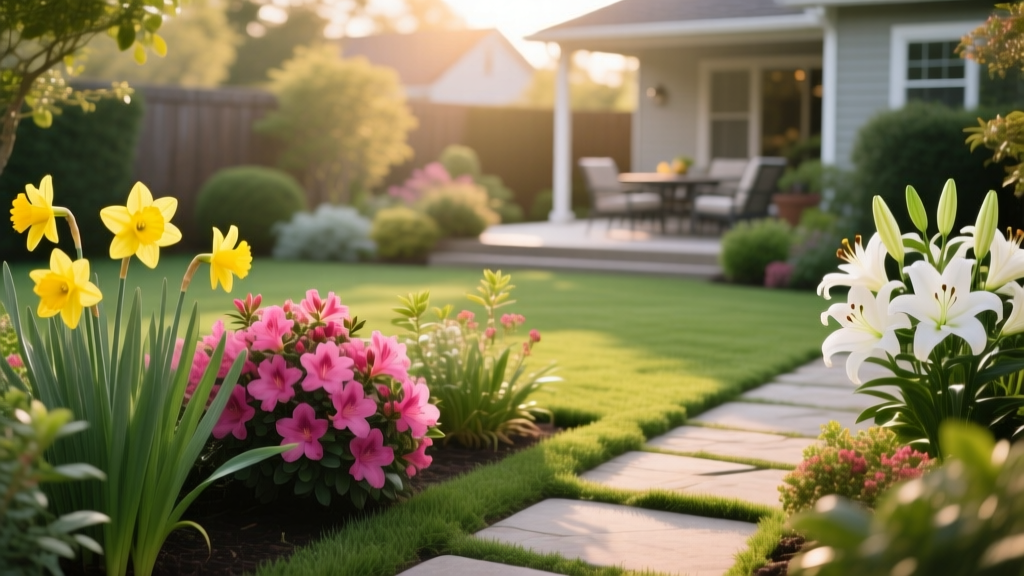
How to Identify and Replace Plants Harmful to Dogs in Your Garden
The Hidden Dangers in Common Landscaping
Designing a beautiful garden often involves selecting perennials, shrubs, and groundcovers based on bloom time, hardiness zones, and color palettes. However, for the 65 million households in the U.S. that own dogs, aesthetic choices can inadvertently introduce severe biological hazards into the yard. Many staple landscaping plants contain alkaloids, glycosides, and insoluble oxalates that trigger acute renal failure, cardiovascular collapse, or severe hepatic necrosis in canines. According to the ASPCA Animal Poison Control Center, environmental plant ingestion accounts for thousands of emergency veterinary visits annually. This guide provides a practical, step-by-step framework to audit your landscape, identify plants harmful to dogs, and execute a safe remediation protocol.
⚠️ Emergency Protocol: If you suspect your dog has ingested a toxic plant, do not wait for symptoms to appear. Contact the ASPCA Animal Poison Control (888-426-4435) or the Pet Poison Helpline (855-764-7661) immediately. Note that consultation fees (typically $85-$95) apply, but they provide life-saving, real-time triage instructions.
The Toxicity Spectrum: Systemic Killers vs. Mild Irritants
Not all toxic plants pose the same level of threat. Understanding the toxic principle—the specific chemical compound causing harm—dictates your urgency and remediation strategy.
- Systemic & Fatal (Immediate Removal Required): Plants containing cycasin, cardiac glycosides, or colchicine. Ingestion of even a single seed or leaf can cause irreversible organ failure or fatal arrhythmias within 24 to 48 hours.
- Neurological & Cardiovascular (High Priority Removal): Plants containing grayanotoxins or taxines. These disrupt cellular sodium channels, leading to hypotension, tremors, and coma.
- Gastrointestinal Irritants (Manageable Risk): Plants containing insoluble calcium oxalates or saponins. These typically cause oral swelling, drooling, and vomiting. While rarely fatal, they cause significant distress and warrant removal or physical barricading.
Top 5 Landscaping Plants Harmful to Dogs (And What to Plant Instead)
When auditing your garden beds, cross-reference your existing flora against this matrix of high-risk offenders and their dog-safe botanical alternatives.
| Toxic Plant (Common) | Botanical Name | Toxic Principle | Dog-Safe Alternative |
|---|---|---|---|
| Sago Palm | Cycas revoluta | Cycasin (Hepatic failure) | Ponytail Palm (Beaucarnea recurvata) |
| Oleander | Nerium oleander | Cardiac glycosides | Bottlebrush (Callistemon spp.) |
| Autumn Crocus | Colchicum autumnale | Colchicine (Multi-organ) | Autumn Snowflake (Leucojum autumnale) |
| Lily of the Valley | Convallaria majalis | Convallatoxin (Cardiac) | Lilyturf (Liriope muscari) |
| Azalea / Rhododendron | Rhododendron spp. | Grayanotoxins | Camellia (Camellia japonica) |
Deep Dive: The Sago Palm Threat
The Sago Palm remains one of the most popular ornamental plants in USDA Zones 8-11, yet it is exceptionally lethal. All parts of the plant are toxic, but the seeds (nuts) contain the highest concentration of cycasin. According to the Pet Poison Helpline, ingestion of just one or two seeds can result in fatal liver failure in a medium-sized dog. Symptoms often mimic mild gastroenteritis initially (vomiting, diarrhea), leading owners to delay treatment until icterus (jaundice) and seizures manifest 48 hours later. If you live in a warm climate and have Sago Palms, complete extraction is non-negotiable.
Step-by-Step Garden Audit and Remediation Protocol
Removing toxic flora requires more than just pulling the visible foliage. Dogs are natural diggers and may unearth toxic root systems or bulbs long after the above-ground plant has been cleared.
- Map and Photograph: Walk your property and photograph every unidentified shrub, perennial, and bulb. Use apps like PictureThis or Seek by iNaturalist for preliminary identification, but verify against the ASPCA database.
- Excavate the Root Ball: For toxic perennials and bulbs (like Autumn Crocus or Lily of the Valley), use a spading fork to loosen the soil 12 inches deep and 18 inches wide around the crown. Ensure every bulb and rhizome fragment is removed, as residual pieces can regenerate or be dug up by pets.
- Safe Disposal: Do not compost toxic plant material. While composting breaks down many organic compounds, the heat generated in standard residential compost piles (typically 120°F–140°F) is insufficient to denature stable alkaloids like colchicine or cardiac glycosides. Bag the material in heavy-duty contractor bags and send it to municipal landfill waste.
- Soil Amendment and Replanting: After extraction, amend the soil with 2 inches of organic compost to restore microbial activity disturbed by digging. Immediately plant your dog-safe alternatives to prevent weeds from taking over the bare soil.
Physical and Chemical Deterrents for Borderline Plants
Some plants, such as Hydrangeas (Hydrangea macrophylla), contain cyanogenic glycosides. While theoretically toxic, a 50-pound dog would need to consume a massive volume of leaves to experience severe symptoms, usually resulting only in mild vomiting. If you choose to keep borderline plants, implement strict deterrents.
Physical Barricading
Standard decorative fencing is easily bypassed by determined terriers and hounds. For garden beds containing borderline risks, install 36-inch galvanized hardware cloth (1/2-inch mesh). Bury the bottom 6 inches of the cloth underground, bending it outward in an 'L' shape to prevent dogs from digging underneath. Secure the above-ground portion to 4x4 wooden posts using heavy-duty poultry netting staples.
Chemical Taste Deterrents
Bitter sprays exploit a dog's aversion to harsh, acidic tastes. Grannick's Bitter Apple Spray (typically $12-$15 per 16oz bottle) is a highly effective, non-toxic botanical deterrent. Application Rule: Outdoors, UV light and rain degrade the active bittering agents rapidly. You must reapply the spray to the lower 24 inches of plant foliage every 48 hours, or immediately after any rainfall, to maintain efficacy.
💡 Pro-Tip for Mulch Selection: Avoid Cocoa Bean Shell mulch. While it smells like chocolate and deters some pests, it contains theobromine—the same compound that makes chocolate toxic to dogs. Opt for natural cedar or pine bark mulch instead, which are entirely safe if accidentally ingested in small amounts.
Emergency Response Framework: What to Do If Ingestion Occurs
Despite your best efforts, dogs may ingest toxic plant material while on walks or visiting neighbors' yards. Memorize this decision framework to avoid costly mistakes during a panic.
- Identify the Plant: Bring a sample of the chewed plant, including leaves, stems, and any flowers or seeds, to the vet. This allows the toxicologist to identify the exact alkaloid and administer the correct antidote or supportive care.
- Do NOT Blindly Induce Vomiting: Internet forums often recommend administering 3% hydrogen peroxide to induce vomiting. Do not do this without veterinary instruction. If the plant contains caustic sap (like Dieffenbachia or Caladium) or if the dog is brachycephalic (e.g., Pugs, Bulldogs), inducing vomiting can cause severe esophageal burns or fatal aspiration pneumonia.
- Monitor for Delayed Onset: Hepatotoxins (like those in Sago Palms) often feature a 'honeymoon phase' where the dog appears to recover after initial vomiting, only to crash into acute liver failure 72 hours later. Always complete the full course of veterinary bloodwork monitoring, even if your dog seems fine.
By systematically auditing your landscape, extracting high-risk botanical threats, and replacing them with robust, dog-safe alternatives, you can cultivate a vibrant garden that serves as a safe sanctuary for your pets rather than a hidden hazard zone.

