
Gardening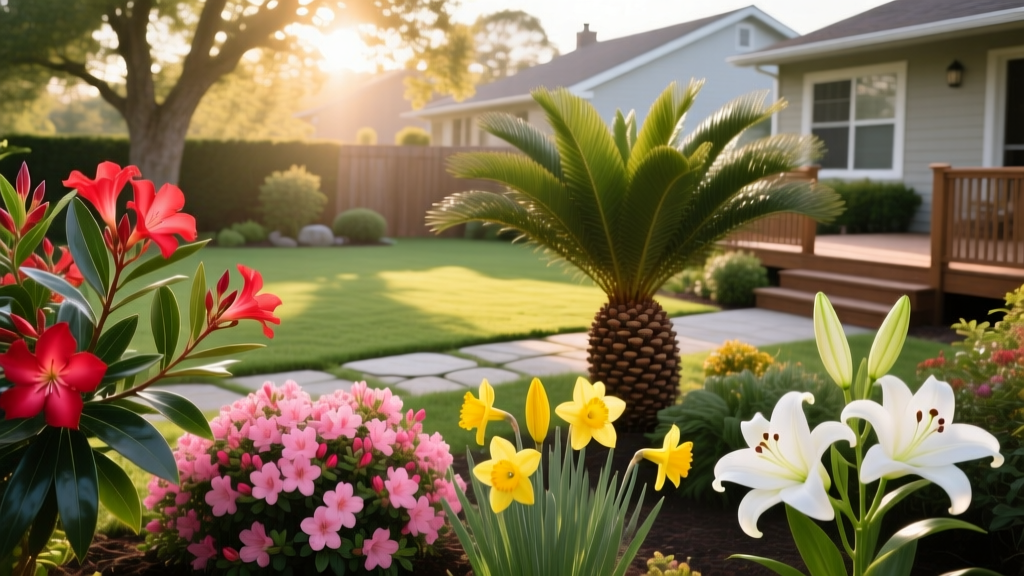
Landscaping Safely: Plants That Are Toxic to Dogs to Avoid
The Canine Toxicity Danger Matrix
Dogs explore their environment primarily through scent and taste, making your garden a potential hazard zone if you cultivate the wrong species. While many gardeners know that lilies are fatal to cats, the risks posed by plants that are toxic to dogs are often misunderstood or overlooked until an emergency occurs. Toxicity in canines depends on the specific alkaloids, glycosides, or resins present in the plant tissue, the size of the dog, and the volume ingested.
Below is a high-risk danger matrix detailing some of the most common ornamental plants that pose severe threats to dogs, including their active toxins and clinical symptoms.
| Plant Species | Active Toxin | Severity | Clinical Symptoms in Canines |
|---|---|---|---|
| Sago Palm (Cycas revoluta) | Cycasin | Fatal | Vomiting, melena, icterus, acute liver failure, seizures |
| Oleander (Nerium oleander) | Oleandrin | Fatal | Drooling, abdominal pain, severe cardiac arrhythmias, death |
| Azalea (Rhododendron spp.) | Grayanotoxins | Moderate-Severe | Excessive salivation, vomiting, diarrhea, cardiovascular collapse |
| Autumn Crocus (Colchicum autumnale) | Colchicine | Severe | Oral irritation, bloody vomiting, kidney/liver damage, bone marrow suppression |
| Daffodil (Narcissus spp.) | Lycorine | Mild-Moderate | Gastrointestinal upset, drooling, lethargy (bulbs are most toxic) |
According to the ASPCA Animal Poison Control Center, Sago Palms and Oleanders account for a disproportionate number of fatal landscaping-related pet emergencies. Even a single chewed leaf of an Oleander or a few seeds from a Sago Palm can be lethal to a 50-pound dog.
Step-by-Step Garden Audit and Removal Protocol
If you have identified any of these hazardous species in your landscape, immediate removal is necessary. However, simply pulling the plant out is not enough; residual toxins in the soil and improper disposal can still harm your pet. Follow this precise removal protocol.
- Map and Isolate: Walk your property and flag all toxic specimens. Keep your dog indoors or tethered in a verified safe zone during the audit and removal process.
- Equip Proper PPE: Wear heavy leather gardening gloves and long sleeves. Plants like Oleander exude a toxic sap that can cause severe contact dermatitis in humans and remains dangerous to dogs if transferred to their fur.
- Extract the Entire Root System: For taproot-heavy plants like the Sago Palm, use a 4-tine steel digging fork to loosen the soil in a 24-inch radius around the trunk. Dig down at least 18 to 24 inches to ensure the entire root ball is extracted. Leaving root fragments can lead to regrowth or soil contamination.
- Soil Remediation: Toxic plants shed leaves and seeds that decompose into the topsoil. Scoop the top 2 to 3 inches of soil from the immediate drip line of the removed plant and dispose of it. Replace this soil with fresh, pet-safe topsoil and a 2-inch layer of dog-safe mulch, such as untreated pine bark (avoid cocoa bean mulch, which contains theobromine and is highly toxic to dogs).
- Safe Disposal: Do not compost toxic plant material. Home compost piles rarely reach the 140°F to 160°F required to break down complex alkaloids like cycasin. Bag the plant material in heavy-duty contractor trash bags and send it to a municipal green waste facility, or dispose of it with your regular household trash.
Dog-Safe Alternatives for High-Risk Zones
Once you have eradicated the hazards, you need to fill the visual gaps in your landscape. The goal is to select robust, non-toxic plants that can withstand occasional trampling or sniffing. Here are highly resilient, dog-safe alternatives categorized by light requirements.
Full Sun Replacements (6+ Hours Direct Light)
- Snapdragons (Antirrhinum majus): A safe, colorful alternative to toxic bulb flowers. Cultivars like 'Madame Butterfly' offer dense, vibrant blooms that are entirely non-toxic if ingested.
- Sunflowers (Helianthus annuus): Excellent for creating vertical privacy screens. They are completely safe for dogs, and the seeds provide a healthy foraging snack for local birds.
- Zinnias (Zinnia elegans): Fast-growing, heat-tolerant annuals that provide a massive burst of color without the gastrointestinal risks associated with marigolds or chrysanthemums.
Shade and Partial Shade Replacements
- Camellias (Camellia japonica): An excellent evergreen shrub replacement for Azaleas. Camellias offer glossy foliage and stunning winter blooms with zero toxicity risk to canines.
- Spider Plants (Chlorophytum comosum): Ideal for hanging baskets or shaded ground cover. They are non-toxic and highly resilient to varying soil moisture levels.
- Cast Iron Plant (Aspidistra elatior): True to its name, this plant is nearly indestructible, making it perfect for high-traffic shaded areas where dogs frequently run or dig.
Physical Barriers and Deterrents
If you absolutely must keep a mildly toxic plant (like daffodils) for aesthetic reasons, or if you want to protect your dog from newly planted vulnerable root systems, physical barriers are mandatory. Relying on taste deterrents like bitter apple spray is ineffective outdoors, as rain and UV degradation render them useless within 48 hours.
The Hardware Cloth Trench Method
For dogs prone to digging (especially terrier breeds), install a physical underground barrier. Purchase 19-gauge, 1/2-inch mesh galvanized hardware cloth. Dig a trench 12 inches deep around the perimeter of the garden bed. Bury the hardware cloth in the trench and bend the bottom 2 inches outward in an 'L' shape to prevent dogs from digging directly at the base of the fence. Backfill with soil and compact it firmly.
Raised Bed Elevation Standards
If you are growing vegetables or delicate perennials, elevate them out of your dog's reach. For small breeds (under 20 lbs), a raised bed height of 18 inches is sufficient. For medium to large breeds (Labradors, Golden Retrievers), the raised bed must be a minimum of 28 to 32 inches high to prevent them from leaning over the edge and grazing on the foliage.
Emergency Response Framework
Urgent: Canine Ingestion Protocol
If you suspect your dog has ingested any part of a toxic plant, do not wait for symptoms to appear. Time is the most critical factor in survival, especially with hepatotoxins like cycasin.
- Remove the Plant Material: Safely take any remaining plant parts out of your dog's mouth.
- Identify the Plant: Take a clear photo of the plant, including the leaves, stems, and any flowers or berries. If possible, bring a physical sample in a sealed bag to the vet.
- Call the Experts: Contact the Pet Poison Helpline at (855) 764-7661 or the ASPCA Animal Poison Control at (888) 426-4435 immediately. Note that consultation fees may apply, but the triage advice is life-saving.
- Do NOT Induce Vomiting: Unless explicitly instructed by a veterinary professional, do not give your dog hydrogen peroxide. Some plant toxins cause severe esophageal damage or aspiration pneumonia when vomited.
Designing a garden that balances horticultural beauty with canine safety requires deliberate plant selection and proactive landscape management. By auditing your current beds, removing high-risk species at the root level, and implementing structural barriers, you can create an outdoor sanctuary that is as safe as it is stunning.

