
Gardening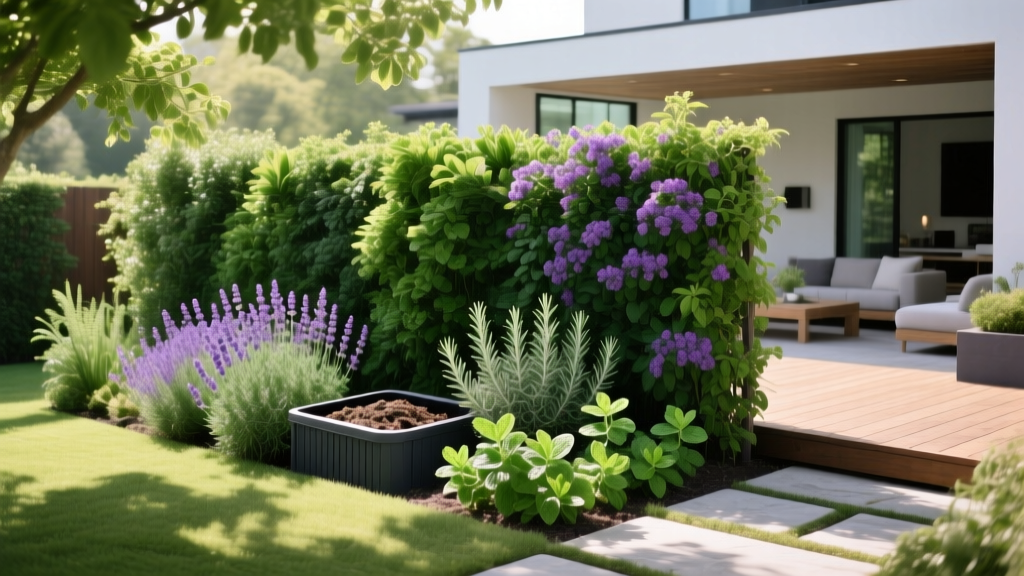
How to Establish an Odor Plant Screen for Compost Areas
The Science of Biological Odor Masking
Managing localized outdoor odors from compost bins, dog runs, and HVAC condensation lines requires more than just physical barriers. When selecting an odor plant for your landscape, the goal is to leverage volatile organic compounds (VOCs), specifically terpenes and esters, which naturally disrupt and mask malodorous molecules like ammonia and hydrogen sulfide. Unlike synthetic air fresheners that merely overwhelm the senses, high-terpene botanicals bind with airborne odor compounds, neutralizing them at the source.
Establishing a living scent screen requires precise horticultural techniques. Many gardeners fail because they treat fragrant perennials like standard bedding plants, overwatering them and applying high-nitrogen fertilizers. This forces rapid, weak vegetative growth at the direct expense of essential oil production. To build a functional odor-masking barrier in 2026, you must prioritize root-zone drainage, lean soil profiles, and strategic cultivar selection.
Top Species for High-Odor Zones
Not all fragrant plants are suited for the microclimates found near compost enclosures or pet areas. Compost bins generate ambient heat and require plants that tolerate reflected warmth, while dog runs demand rugged foliage that can withstand occasional physical impact and urine splash. Below is a comparison matrix of the most effective odor-masking species for these specific problem areas.
| Botanical Name | Cultivar | Mature Dimensions | Spacing | Ideal Soil pH | Est. Cost (1-Gal) |
|---|---|---|---|---|---|
| Lavandula angustifolia | 'Hidcote' | 18" H x 24" W | 18" - 24" | 6.5 - 7.5 | $12 - $16 |
| Rosmarinus officinalis | 'Tuscan Blue' | 6' H x 4' W | 36" - 48" | 6.0 - 7.0 | $18 - $24 |
| Jasminum officinale | Standard Vine | 15' Climbing | 48" - 60" | 6.0 - 7.5 | $22 - $30 |
| Mentha piperita | Peppermint | 12" H x Indefinite W | 12" (Contained) | 6.0 - 7.0 | $6 - $9 |
According to the Penn State Extension, English lavender cultivars like 'Hidcote' and 'Munstead' possess the highest concentration of linalool and linalyl acetate, making them vastly superior to Spanish lavender (Lavandula stoechas) for sustained odor masking. For vertical screening around tall compost tumblers, 'Tuscan Blue' rosemary provides a dense, evergreen wall of camphor-rich foliage that effectively neutralizes decaying organic smells.
Soil Preparation and Drainage Metrics
The most common cause of failure when establishing an odor plant barrier is root rot caused by moisture-retentive soil. Fragrant Mediterranean perennials require exceptionally well-draining substrates to concentrate their essential oils. If the roots sit in damp soil, the plant produces fewer terpenes and the scent profile becomes weak and herbaceous rather than sharp and medicinal.
The 60/30/10 Soil Formula
Do not plant lavender or rosemary directly into heavy native clay or standard topsoil. Excavate the planting trench to a depth of 14 inches and a width of 24 inches. Replace the native soil with a custom blend:
- 60% Coarse Builder's Sand or Crushed Granite: Provides structural drainage and prevents soil compaction.
- 30% Native Topsoil: Supplies baseline micronutrients and anchors the root ball.
- 10% Expanded Shale or Pumice: Creates microscopic air pockets for root respiration.
Critical Note: Never incorporate peat moss, coconut coir, or composted manure into the planting hole for these species. These amendments retain too much moisture and lower the soil pH below the optimal 6.5 threshold, which restricts calcium uptake and stunts terpene synthesis. The NC State Extension Plant Database confirms that rosemary and lavender thrive in lean, alkaline-adjacent soils where nutrient stress actually triggers higher essential oil production as a defense mechanism.
Step-by-Step Establishment Protocol
Follow this exact sequence to ensure rapid root establishment and immediate scent production.
- Map the Wind Corridor: Observe your yard for three days to identify the prevailing wind direction. Plant your odor screen on the upwind side of the compost bin or pet area so the breeze carries the VOCs across the malodorous zone.
- Prepare the Root Ball: Nursery pots are often root-bound. Use a sterilized hori-hori knife to score the bottom third of the root ball in an 'X' pattern. This severs circling roots and forces lateral root expansion into your custom soil blend.
- Set the Crown High: Plant the crown of the lavender or rosemary exactly 1 inch above the surrounding soil grade. Mounding the soil slightly prevents water from pooling against the woody base, which is the primary vector for fungal pathogens like Phytophthora.
- Apply Inorganic Mulch: Spread a 2-inch layer of 3/8-inch crushed gravel or decomposed granite around the base of the plants. Keep the gravel 3 inches away from the main stem. Gravel reflects sunlight back into the canopy, increasing ambient heat and boosting oil production, while preventing weed competition.
- Initial Hydration: Water deeply with 2 gallons per plant immediately after installation. Add a liquid mycorrhizal inoculant (such as MycoGrow Soluble at 1/2 teaspoon per gallon) to the water to accelerate root-hair development.
⚠️ Containment Warning: Mentha Species
If using peppermint or spearmint as a low-growing odor border near dog runs, never plant them directly in the ground. Mint spreads via aggressive subterranean stolons and will rapidly invade your compost pile or lawn. Instead, plant mint in 12-inch deep, sleeve-less metal nursery pots, and bury the pots flush with the soil surface. The metal walls will contain the rhizomes while allowing the fragrance to permeate the air.
Pruning for Maximum Terpene Release
An unpruned odor plant will become woody, leggy, and significantly less fragrant over time. Essential oils are concentrated in the newest, softest growth and the glandular trichomes on the leaves. To maintain a high-output scent screen, you must implement a strict pruning regimen.
"The secret to a highly fragrant lavender hedge is not fertilizer, but the shears. Cutting back the previous year's growth forces the plant to push out millions of new, oil-rich leaf nodes just as the summer heat begins to volatilize them."
— Commercial Herb Production Guidelines, University of Massachusetts Amherst
The Spring Shear Protocol
In early spring, just as you see the first signs of green buds swelling on the lower woody stems, use sharp bypass pruners to shear the entire plant back by one-third. Do not cut into the old, brown, leafless wood, as Mediterranean perennials rarely regenerate from completely dormant hardwood. Shape the plant into a gentle mound; this prevents the center from splitting open under the weight of snow or heavy rain and ensures even sunlight penetration to all sides of the canopy.
Troubleshooting Weak Scent Profiles
If your established odor plant barrier is failing to mask the smells from your compost or pet area, diagnose the issue using these specific failure modes:
- Symptom: Rapid, lush green growth with very little scent.
Cause: Excess nitrogen. You or a lawn care service likely applied a high-nitrogen fertilizer (like a 24-4-12 turf formula) nearby. Nitrogen forces the plant to produce structural cellulose rather than secondary metabolites (terpenes).
Fix: Flush the soil with heavy watering to leach excess salts, and switch to a zero-nitrogen, high-potassium liquid kelp extract (0-0-8) applied as a foliar spray every 30 days. - Symptom: Foliage smells musty or like damp earth rather than sharp camphor/linalool.
Cause: Poor air circulation and high humidity trapped in the center of the plant, leading to early-stage powdery mildew or botrytis.
Fix: Thin the interior branches by 20% to allow cross-breezes to dry the foliage. Remove the organic mulch and replace it with crushed limestone gravel to lower surface humidity. - Symptom: Scent is only noticeable when leaves are crushed, not ambient.
Cause: Insufficient solar radiation. The plant is not receiving the minimum 8 hours of direct, unfiltered UV light required to synthesize volatile oils.
Fix: Relocate the screen or prune overhanging tree branches. If relocation is impossible, supplement with a full-spectrum outdoor LED grow light positioned 24 inches above the canopy during the winter months.
By treating your odor plant barrier as a specialized, low-input horticultural project rather than a standard flower bed, you will create a permanent, self-sustaining biological filter that keeps your outdoor living spaces smelling clean and botanical year-round.

