
Gardening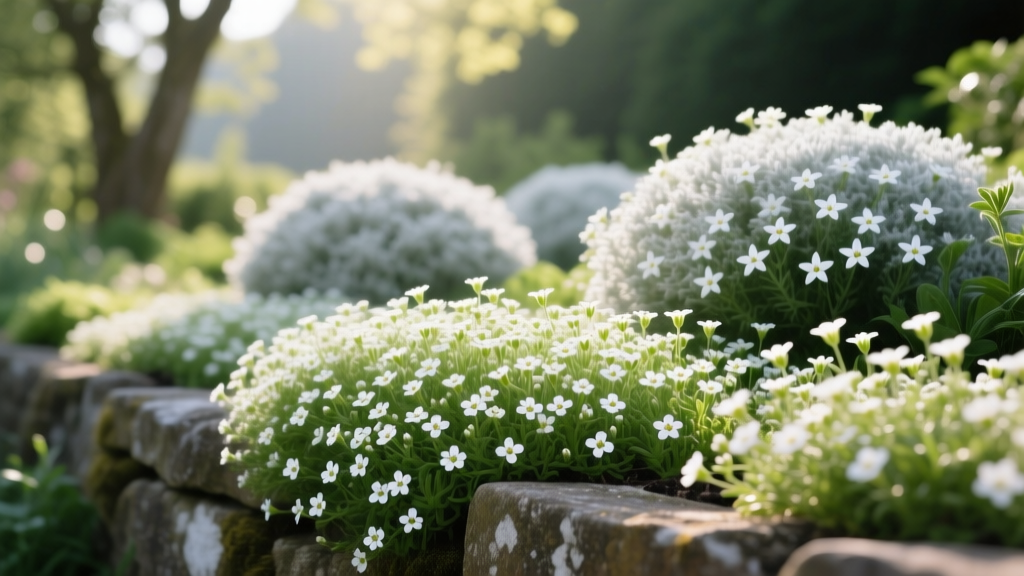
Plant with Small White Flowers: Establishing Alyssum & Snow-in-Summer
Integrating a plant with small white flowers into your landscape provides high-contrast visual relief, attracts vital pollinators, and suppresses weed growth when used as a living mulch. However, the establishment phase for low-growing, prolific bloomers requires precise soil metrics and watering schedules to prevent crown rot and nutrient burn. This guide details the exact planting and establishment protocols for the two most reliable small white flowering groundcovers: Sweet Alyssum (Lobularia maritima) and Snow-in-Summer (Cerastium tomentosum).
Selecting the Right Plant with Small White Flowers
Before breaking ground, you must match the cultivar to your site's drainage profile and hardiness zone. While both produce dense canopies of small white blooms, their root structures and moisture requirements are fundamentally different. According to the NC State Extension, Sweet Alyssum thrives in consistent moisture, whereas Snow-in-Summer demands sharp drainage to survive.
| Cultivar | Hardiness Zones | Mature Spread | Ideal Soil pH | Drought Tolerance |
|---|---|---|---|---|
| 'Snow Princess' Alyssum | 9-11 (Annual in 3-8) | 18 - 24 inches | 6.0 - 7.0 | Moderate (Requires 1 inch/week) |
| 'Silver Carpet' Snow-in-Summer | 3 - 7 | 12 - 18 inches | 6.5 - 7.5 | High (Once established) |
| 'Bristol Fairy' Baby's Breath | 4 - 9 | 24 - 36 inches | 7.0 - 7.5 (Alkaline) | Very High |
Establishment Protocol: Sweet Alyssum (Lobularia maritima)
Sweet Alyssum is a fast-growing, cool-season performer. The 'Snow Princess' cultivar is highly recommended for its superior heat tolerance and sterile nature, meaning it will not self-seed aggressively and will instead channel energy into continuous blooming from spring through the first hard frost.
Soil Preparation & Amendment
Alyssum requires a loamy, well-aerated substrate. Test your soil pH; if it falls below 6.0, apply pelleted garden lime at a rate of 5 lbs per 100 square feet to raise the pH. Incorporate 2 inches of well-aged compost into the top 6 inches of the planting bed. Avoid high-nitrogen synthetic fertilizers (like 20-10-10), which will produce excessive foliage at the expense of the small white flowers. Instead, use a low-nitrogen, high-phosphorus granular fertilizer (5-10-10 NPK) applied at 1 lb per 100 square feet at the time of planting to stimulate root development.
Transplanting & Spacing Metrics
When transplanting nursery plugs or 4-inch pots, space 'Snow Princess' Alyssum exactly 6 to 8 inches apart. This tight spacing ensures the canopy knits together within 4 to 6 weeks, shading the soil and suppressing weed germination. Plant the root crown level with the surrounding soil grade; burying the crown even 0.5 inches too deep will invite Pythium stem rot.
Establishment Protocol: Snow-in-Summer (Cerastium tomentosum)
Snow-in-Summer is a herbaceous perennial prized for its silvery-gray, tomentose (hairy) foliage and brilliant spring bloom. The Missouri Botanical Garden notes that its primary vulnerability during establishment is excess moisture, making site selection and soil modification critical.
Drainage & Root Rot Prevention
Cerastium tomentosum will fail rapidly in heavy, unamended clay soils. If your site has a percolation rate slower than 1 inch per hour, you must amend the planting zone. Excavate the bed to a depth of 10 inches and mix the native soil with 30% coarse horticultural grit or perlite by volume. Do not use peat moss or moisture-retaining polymers, as these will suffocate the roots.
Warning: Crown Rot Vulnerability
Snow-in-Summer is highly susceptible to crown rot in humid climates. Never apply organic mulch (like wood chips or shredded bark) directly against the base of the plant. If mulching to retain moisture during the first 30 days, use a 1-inch layer of inorganic gravel or pea stone, keeping it 2 inches away from the central crown.
Snow-in-Summer is highly susceptible to crown rot in humid climates. Never apply organic mulch (like wood chips or shredded bark) directly against the base of the plant. If mulching to retain moisture during the first 30 days, use a 1-inch layer of inorganic gravel or pea stone, keeping it 2 inches away from the central crown.
Planting Depth & Initial Watering
Space 'Silver Carpet' plugs 12 to 18 inches apart. This wider spacing accounts for its aggressive lateral stolon growth. Water newly planted specimens deeply with 0.5 gallons per plant immediately after installation. For the first 14 days, water every 48 hours, but only if the top 2 inches of soil are completely dry to the touch. Transition to a strict drought regimen by week three to force the roots to seek deep moisture.
Troubleshooting Establishment Failures
Even with precise planting, environmental variables can disrupt establishment. Use this diagnostic framework to identify and correct issues before the plant canopy collapses.
- Symptom: Alyssum leaves turning yellow with small, irregular holes.
Cause: Flea beetle infestation, common in early spring.
Actionable Fix: Apply a spinosad-based organic spray (e.g., Monterey Garden Insect Spray) in the late evening to avoid harming daytime pollinators. Repeat every 7 days for two cycles. - Symptom: Snow-in-Summer center turning brown and mushy while outer edges remain green.
Cause: Crown rot due to poor drainage or excessive mulch.
Actionable Fix: Immediately remove all mulch from the crown. Use sterilized pruning shears to cut away the dead center. Drench the remaining soil with a fosetyl-Al fungicide to halt pathogen spread. - Symptom: Profuse green foliage but zero small white flowers on Alyssum.
Cause: Nitrogen toxicity from over-fertilization or rich manure amendments.
Actionable Fix: Flush the soil with 2 inches of water to leach excess nitrates. Cease all fertilization and apply a foliar spray of 0-10-10 liquid bloom booster to redirect energy to flower production.
First-Year Maintenance & Shearing Schedule
Establishment does not end once the roots take hold; structural maintenance in the first year dictates the plant's longevity and density.
For Sweet Alyssum: By mid-summer, the plants may become leggy, with the lower stems turning woody and brown. When daytime temperatures consistently exceed 85°F, shear the entire planting back by 30% using hedge shears. Follow this shearing with a light application of liquid kelp extract (1 tablespoon per gallon of water) to reduce heat stress and stimulate a secondary flush of small white flowers within 14 days.
For Snow-in-Summer: The primary bloom occurs in late spring to early summer. Immediately after the white petals drop and the seed heads begin to form, mow or shear the entire patch down to a height of 2 inches. This aggressive pruning prevents the plant from self-seeding into unwanted areas and, more importantly, prevents the center of the mat from dying out—a common failure mode for Cerastium that has been allowed to grow too tall and flop over its own crown. By shearing it low, you force basal branching, resulting in a denser, more drought-resistant silver carpet for the remainder of the growing season.

