
Gardening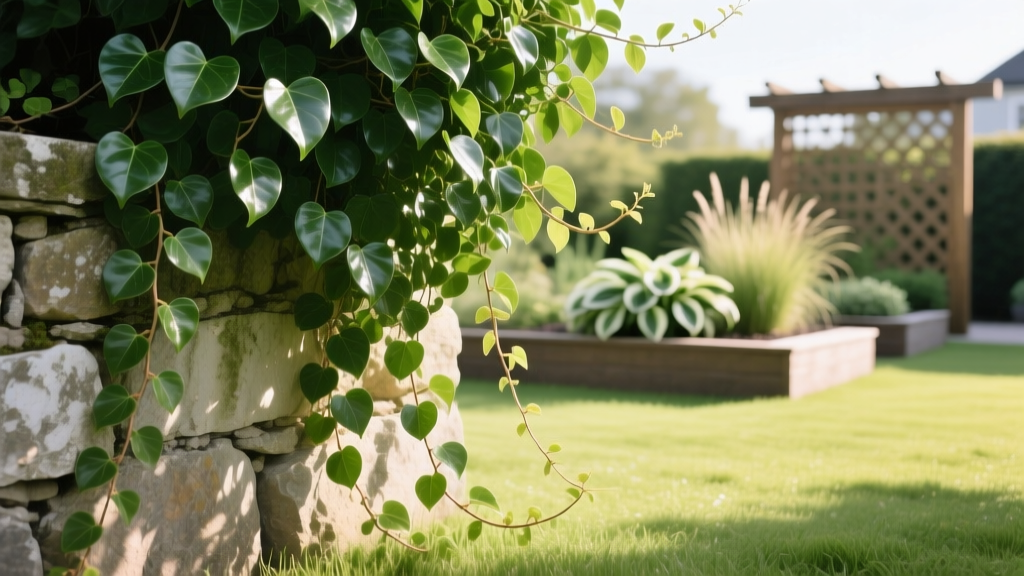
Fig Ivy Care Guide: Growing Ficus Pumila for Beginners
Understanding Fig Ivy: The Ultimate Creeping Groundcover
Fig ivy (Ficus pumila), commonly known as creeping fig, is a vigorous, evergreen vine prized for its ability to rapidly cloak walls, trellises, and topiary frames in a dense mat of small, heart-shaped leaves. Native to East Asia, this aggressive grower thrives in USDA Hardiness Zones 8 through 11, making it a staple in Southern and coastal landscapes. For beginners, fig ivy offers a high-reward, low-maintenance solution for vertical gardening, provided it is sited correctly and managed with an understanding of its unique biological quirks.
Unlike English ivy (Hedera helix), which is highly invasive and banned in several states, Ficus pumila is generally well-behaved in terms of seed dispersal but makes up for it with sheer physical tenacity. Its aerial roots secrete a latex-like adhesive that hardens into a bond stronger than mortar. This characteristic dictates everything about how, where, and why you should plant it.
⚠️ CRITICAL MASONRY WARNING: Never plant fig ivy against wood siding, stucco, drywall, or painted surfaces. The adhesive aerial roots will permanently ruin paint and tear into soft wood and stucco, causing structural moisture traps and thousands of dollars in remediation costs. Only plant against solid brick, concrete, or natural stone.
Site Selection and Surface Compatibility
Before purchasing your first flats of Ficus pumila plugs, evaluate your hardscaping. The vine requires a minimum of 4 to 6 hours of dappled sunlight to partial shade; intense, reflected afternoon sun in zones 9-11 will scorch the juvenile foliage.
| Surface Material | Compatibility | Long-Term Risk Assessment |
|---|---|---|
| Unpainted Brick | Excellent | Low risk. Roots grip mortar but rarely compromise solid brick. |
| Poured Concrete | Excellent | Very low risk. Ideal for retaining walls and foundations. |
| Wood Siding / Fences | Do Not Plant | High risk. Roots penetrate wood grain, trapping moisture and accelerating rot. |
| Stucco / EIFS | Do Not Plant | Severe risk. Removal will strip the stucco finish entirely. |
| Chain Link / Wire Trellis | Good | Moderate. Requires annual pruning to prevent the vine from crushing the wire under its own weight. |
Step-by-Step Planting Guide
Fig ivy is typically sold in 4-inch pots or flat trays of 50 plugs. For rapid wall coverage, buy flats of plugs rather than larger potted specimens.
- Prepare the Soil: Fig ivy prefers a well-draining loam with a slightly acidic pH between 6.0 and 6.5. Amend heavy clay soil with 30% organic compost by volume to prevent root rot.
- Spacing: Plant plugs 18 to 24 inches apart along the base of your wall. If you want faster coverage, you can space them 12 inches apart, but this increases initial plant costs by roughly 40%.
- Trenching: Dig a trench 4 inches deep and 6 inches wide, keeping it at least 3 inches away from the physical wall to allow for stem thickening.
- Planting and Mulching: Set the root ball level with the surrounding grade. Backfill and gently tamp the soil. Apply a 2-inch layer of pine bark mulch, keeping it 1 inch away from the stems to prevent collar rot.
- Initial Training: Use biodegradable jute twine or small landscape pins to gently guide the leading stems toward the wall. The vine will produce aerial roots and attach itself within 3 to 4 weeks.
- Topiary Framing: When using fig ivy for topiary frames (such as wire animal shapes), use a high-quality, well-draining potting mix containing 20% perlite if planting in containers. Anchor the frame securely with landscape staples, and use soft plant ties every 4 inches to guide the juvenile stems along the wire.
Watering and Fertilization Protocols
Establishment is the most vulnerable phase for Ficus pumila. During the first 12 weeks, water the plants with 1 to 1.5 inches of water per week, splitting this into two deep soakings rather than daily shallow sprinklings. Once the aerial roots anchor into the masonry (usually by month four), the vine becomes remarkably drought-tolerant.
Container-grown specimens will dry out significantly faster than in-ground plantings. Check the top 2 inches of soil daily during summer months; if it feels dry, water until moisture freely exits the drainage holes. Never let the pot sit in a saucer of standing water, as Ficus pumila is highly susceptible to hypoxia-induced root death.
Fertilizer: Fig ivy is not a heavy feeder. Apply a balanced, slow-release granular fertilizer (such as Osmocote 14-14-14) at a rate of 1 tablespoon per square foot in early spring. Avoid high-nitrogen liquid fertilizers; they push weak, leggy growth that struggles to adhere to vertical surfaces.
The Juvenile vs. Adult Growth Phase (Crucial Pruning Insight)
This is the most misunderstood aspect of fig ivy care. Ficus pumila exhibits heteroblasty—a distinct change in leaf shape and growth habit as it matures. The small, delicate, heart-shaped leaves you buy are the juvenile phase. When the vine reaches a certain height or age (typically after 3 to 5 years of unpruned vertical growth), it transitions to the adult phase.
Adult foliage features large, leathery, oval leaves up to 4 inches long, and the vine begins producing small, inedible fig-like syconia. Adult branches grow outward rather than clinging flat to the wall, destroying the manicured 'green wall' aesthetic. To prevent this, you must prune the vine aggressively once a year in late winter, keeping it strictly in its juvenile, creeping state.
'The secret to a flawless creeping fig wall is ruthless edge maintenance. Trim the outer boundaries with sharp bypass shears in February, and shear the face of the wall lightly to remove any adult-phase shoots before they lignify.' — Master Gardener Pruning Guidelines
Troubleshooting: Pests, Diseases, and Environmental Stress
While generally robust, fig ivy can fall victim to specific issues, particularly when grown indoors or in humid, stagnant outdoor microclimates.
- Brown Tip Necrosis (Leaf Drop): Often caused by inconsistent watering or sudden temperature drops. If growing in Zone 8, expect total defoliation after a hard freeze (below 20°F). The roots will survive if mulched heavily, and foliage will return in April.
- Scale Insects and Mealybugs: These sap-sucking pests hide on the undersides of leaves and along the woody stems. Treat early infestations with horticultural oil (like Bonide All Seasons Oil) applied at a 2% dilution rate. For severe outbreaks, a systemic drench containing Imidacloprid applied to the soil in early spring provides 12 months of control.
- Root Rot (Phytophthora): Caused by waterlogged soil. If leaves turn yellow and drop while the soil remains wet, halt watering immediately and aerate the soil bed. Ensure your planting site has a percolation rate of at least 1 inch per hour.
Recommended Cultivars for Specific Applications
Not all fig ivy is created equal. Selecting the right cultivar prevents overgrowth and matches your aesthetic goals:
- Ficus pumila 'Minima': Features exceptionally tiny leaves (under 1/2 inch). Ideal for intricate topiary frames and indoor container gardens.
- Ficus pumila 'Variegata': Displays striking white and green marbled foliage. Grows 30% slower than the species, requiring less pruning, but needs brighter light to maintain variegation.
- Ficus pumila 'Sunny Fig': A newer cultivar with a distinct yellow-gold margin. Excellent for brightening up dark, shaded concrete retaining walls.
For authoritative botanical data and regional hardiness maps, consult the NC State Extension Plant Toolbox and the Royal Horticultural Society (RHS) plant database. Proper site selection and an understanding of the vine's heteroblastic growth cycle will ensure your fig ivy remains a stunning landscape asset rather than a structural liability.

