
Gardening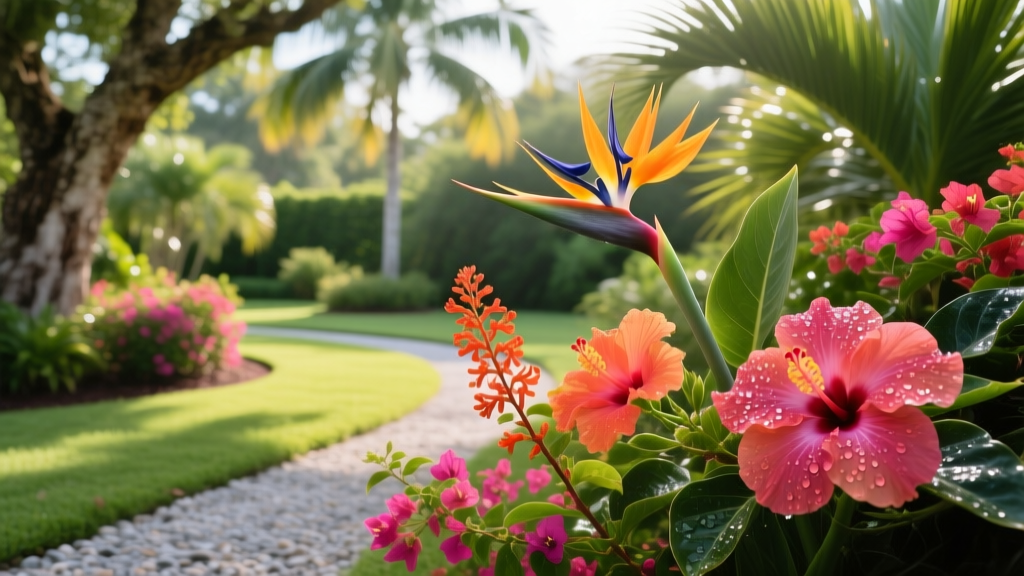
Best Flowers That Grow in Florida: A Regional Planting Guide
The Illusion of a Single 'Florida Climate'
When gardeners search for flowers that grow in Florida, they often encounter generic lists that fail to account for the state's massive climatic variance. Florida is not a single growing zone; it spans from USDA Hardiness Zone 8a in the Panhandle (where winter temperatures can drop to 10°F) down to Zone 11b in the Keys (where frost is virtually unheard of). Planting a temperate Camellia in Miami will result in failure, just as planting a tropical Vanda orchid outdoors in Tallahassee guarantees winter kill.
To achieve continuous blooms, you must align your plant selection and seasonal timing with your specific microclimate. According to the USDA Plant Hardiness Zone Map, the state is broadly divided into three distinct horticultural regions, each requiring a unique planting calendar and soil management strategy.
North Florida (Zones 8a–9a): The Temperate Transition
North Florida experiences four distinct seasons, including winter freezes that dictate a traditional spring-summer blooming cycle. The primary challenge here is timing annuals to avoid late spring frosts while capitalizing on the mild winters for cool-season color.
Seasonal Timing & Flower Selection
- Fall (October–November): This is the optimal window to plant cool-season annuals and establish perennials. Set out Camellia japonica shrubs, Dianthus (Pinks), and Viola tricolor (Pansies). The soil is still warm enough for root establishment before the ground chills.
- Early Spring (March): After the last average frost date (typically mid-March in Zone 8b), transition to warm-season annuals. Direct sow Zinnia elegans and plant Echinacea purpurea (Purple Coneflower) plugs.
- Summer (June–August): Rely on heat-tolerant natives like Coreopsis lanceolata (Tickseed) and Gaillardia pulchella (Blanket Flower) to maintain color when traditional petunias and impatiens succumb to the humidity.
Expert Tip: North Florida soils are often heavy clay or compacted sand. Amend planting holes with a 50/50 mix of native soil and pine bark fines to improve drainage and lower the naturally alkaline pH common in coastal panhandle counties.
Central Florida (Zones 9b–10a): The Swing Zone
Central Florida (Orlando, Tampa, Ocala) operates on a binary calendar: the dry season (November–April) and the wet season (May–October). The flowers that grow in Florida's central corridor must survive both occasional 30°F winter dips and relentless summer torrential rains.
Central Florida Bloom & Plant Schedule
| Season | Months | Best Flowers to Plant | Primary Threat |
|---|---|---|---|
| Dry / Cool | Nov - Feb | Snapdragons, Calendula, Sweet Alyssum, Gerbera Daisies | Occasional hard freezes; drought stress |
| Spring Transition | Mar - Apr | Bougainvillea, Lantana, Salvia, Pentas | Late dry spells; high UV index |
| Wet / Hot | May - Oct | Hibiscus, Plumbago, Mexican Heather, Portulaca | Root rot from daily downpours; fungal leaf spot |
During the wet season, avoid planting shallow-rooted annuals in low-lying beds. Instead, utilize raised beds or berm the soil 4 to 6 inches above grade. The UF/IFAS Gardening Solutions database heavily recommends Pentas lanceolata for Central Florida summers due to its exceptional resistance to both root rot and high humidity.
South Florida (Zones 10b–11b): The Tropical Paradigm
South Florida and the Keys lack a traditional winter. Here, the concept of 'spring planting' is irrelevant. The flowers that grow in Florida's southernmost tip are strictly tropical and subtropical, governed more by hurricane season and daylight hours than by temperature.
Tropical Selections & Timing
- Plumeria rubra (Frangipani): Plant bare-root cuttings in March as daylight increases. They require exceptionally well-draining soil; plant them in cinder or pumice-heavy mixes rather than native muck.
- Heliconia (Lobster Claw): Best planted in May at the start of the wet season to leverage natural rainfall for establishment. Requires heavy mulching (3-4 inches of arborist wood chips) to retain moisture during dry winter winds.
- Strelitzia reginae (Bird of Paradise): Plant in October. Avoid planting during August and September, as the combination of transplant shock and peak hurricane-season waterlogging frequently leads to fatal bacterial wilt.
Soil Preparation: Solving the Florida Sand Dilemma
The biggest point of failure for gardeners researching flowers that grow in Florida is ignoring the soil profile. Florida's native soil is predominantly entisols—deep, nutrient-poor quartz sand with zero cation exchange capacity (CEC). Water and liquid fertilizers simply wash straight through it.
Actionable Soil Amendment Protocol
- Test Your pH: Coastal sands are often alkaline (pH 7.5–8.2), while inland central sands are acidic (pH 4.5–5.5). Most flowering perennials require a pH of 6.0–6.5.
- Correct Alkalinity: If your coastal soil tests above 7.2, apply elemental sulfur at a rate of 1.5 lbs per 100 square feet to drop the pH by one full point. Alternatively, use Espoma Organic Soil Acidifier (priced around $18 for a 4 lb bag) for a slower, safer release.
- Build Organic Matter: Incorporate 3 to 4 inches of composted cow manure or mushroom compost into the top 8 inches of the planting bed. This increases the soil's CEC, allowing it to hold onto potassium and phosphorus required for flower production.
Troubleshooting: Root-Knot Nematodes & Fungal Pathogens
Even with perfect seasonal timing, microscopic threats can devastate your flower beds. Root-knot nematodes (Meloidogyne spp.) are endemic in Florida's sandy soils. They attack the roots of susceptible flowers like marigolds, impatiens, and snapdragons, causing stunted growth and yellowing leaves despite adequate watering.
Warning: Nematode Management
Do not attempt to treat active nematode infestations with chemical nematicides, as most are restricted-use and environmentally hazardous. Instead, practice soil solarization during July and August. Mow the bed, wet the soil deeply, and cover it with clear 2-mil polyethylene plastic for 6 to 8 weeks. The trapped solar heat will pasteurize the top 6 inches of soil, killing nematodes and fungal spores without chemicals. Follow guidelines from the UF/IFAS Extension for precise solarization techniques.
Do not attempt to treat active nematode infestations with chemical nematicides, as most are restricted-use and environmentally hazardous. Instead, practice soil solarization during July and August. Mow the bed, wet the soil deeply, and cover it with clear 2-mil polyethylene plastic for 6 to 8 weeks. The trapped solar heat will pasteurize the top 6 inches of soil, killing nematodes and fungal spores without chemicals. Follow guidelines from the UF/IFAS Extension for precise solarization techniques.
Fungal Leaf Spot in the Wet Season
During Central and South Florida's wet season, daily afternoon rains create a breeding ground for Cercospora leaf spot, particularly on Hydrangeas and Begonias. To mitigate this without relying on weekly fungicide applications:
- Space plants 20% wider than standard nursery tags recommend to maximize airflow.
- Install drip irrigation and strictly avoid overhead watering, which spreads spores.
- Maintain a 2-inch layer of pine straw mulch to prevent soil-borne spores from splashing onto lower foliage during heavy rain.
By respecting the distinct regional calendars and aggressively managing Florida's unique soil and pest pressures, you can cultivate vibrant, resilient flower gardens that thrive year-round.

