
Gardening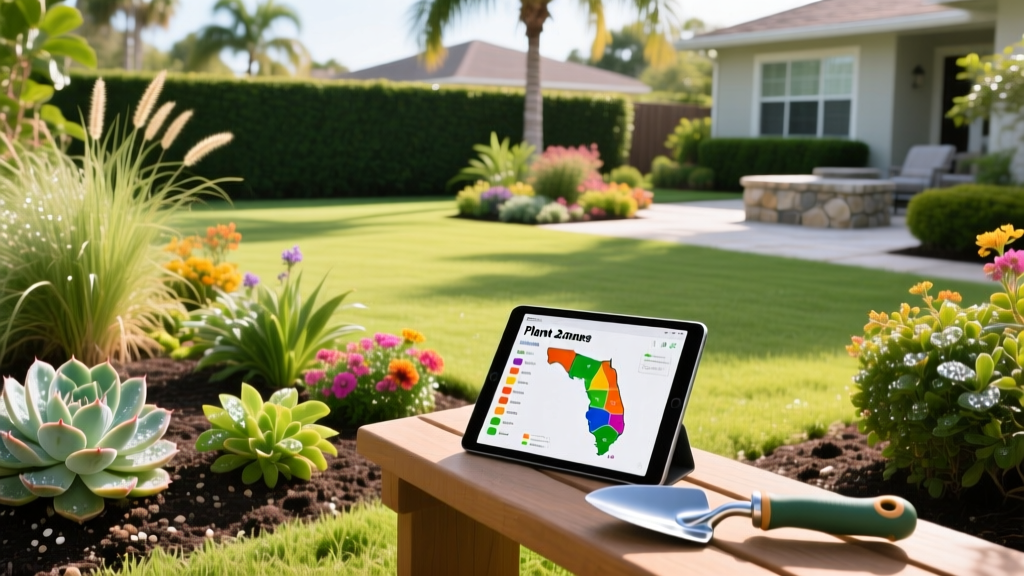
Using the Florida Plant Zones Map for Seasonal Planting Calendars
Decoding the Florida Plant Zones Map: Beyond the USDA Baseline
Gardening in Florida presents a unique paradox: while the subtropical climate allows for year-round cultivation, the intense summer heat and erratic winter freezes dictate a highly specialized planting schedule. Relying solely on the national USDA hardiness map is a common mistake that leads to crop failure. To truly succeed, you must cross-reference the florida plant zones map with localized seasonal calendars and microclimate data.
Following the comprehensive USDA map update in late 2023, much of Florida shifted half a zone warmer. By 2026, these updated boundaries are firmly established, altering historical frost-date assumptions. Here is the precise breakdown of the state's primary horticultural zones and their extreme minimum temperature thresholds:
Zone Data Highlight: The 2026 Florida Baseline
- Zone 8a/8b (Panhandle & North FL): 10°F to 20°F. Distinct four seasons; requires cold-stratification for certain perennials.
- Zone 9a/9b (Central FL): 20°F to 30°F. The 'sweet spot' for tropicals that can handle occasional freezes and temperate crops grown as winter annuals.
- Zone 10a/10b (South FL & Coasts): 30°F to 40°F. True subtropical; frost is a rare, brief event. Summer heat is the primary limiting factor.
- Zone 11a/11b (The Keys): 40°F to 50°F. Tropical marine climate. Zero frost tolerance required; salt spray and hurricane winds dictate plant selection.
Seasonal Timing: When to Plant What in Your Zone
The most critical application of the florida plant zones map is building your regional planting calendar. A tomato planted in March in Zone 10b will bake and drop its blossoms by May, while that same tomato planted in March in Zone 8b will thrive. Below is a structured comparison matrix for the three primary growing windows across the state's major regions.
| Season / Window | Zone 8 (North FL) | Zone 9 (Central FL) | Zone 10 (South FL) |
|---|---|---|---|
| Spring (Warm Crops) | March 15 – April 15 | Feb 15 – March 15 | Jan 15 – Feb 28 |
| Summer (Heat-Tolerant) | April 15 – July 1 | April 1 – Aug 1 | March 15 – Sept 1 |
| Fall (Cool Crops) | Sept 1 – Oct 15 | Sept 15 – Nov 1 | Oct 1 – Nov 30 |
| Winter (Hardy Annuals) | Not Recommended (Frost) | Dec 1 – Jan 31 | Nov 1 – Feb 28 |
The 'False Spring' Trap in Central Florida (Zone 9)
Gardeners in Zone 9b (Orlando, Tampa, Ocala) frequently fall victim to the 'False Spring.' In mid-February, daytime temperatures often surge past 85°F, tricking gardeners into transplanting heat-loving crops like peppers and eggplants. However, the historical last frost date for Zone 9b extends through the first week of March. A sudden cold front dropping temperatures to 28°F will instantly kill unprotected transplants. Rule of thumb: Never plant warm-season crops in Zone 9 before the soil temperature at a 4-inch depth consistently reads 65°F at 8:00 AM, regardless of ambient air temperature spikes.
Regional Calendars: Soil Prep and Irrigation Strategies
Timing your planting is only half the battle; preparing Florida's notoriously sandy, nutrient-poor soil must align with your zone's seasonal calendar. According to the UF/IFAS Florida Vegetable Gardening Guide, native Florida soils often have a pH between 4.5 and 5.5, which locks up essential nutrients like phosphorus and magnesium.
Zone-Specific Soil Amendment Protocol
- 60 Days Before Planting (All Zones): Conduct a soil test via your local county extension. If pH is below 5.5, apply pelletized dolomitic lime at a rate of 5 lbs per 100 square feet. Dolomitic lime is crucial in Florida as it supplies both calcium and magnesium, preventing blossom end rot in tomatoes.
- 30 Days Before Planting: Incorporate 3 to 4 inches of organic compost into the top 8 inches of the soil profile. In Zone 10, where microbial activity never slows down, compost breaks down rapidly; you may need to increase this to 5 inches to maintain soil structure.
- 14 Days Before Planting: Install drip irrigation. Florida's sandy soil drains at a rate of 2 to 4 inches per hour. Overhead watering wastes up to 40% of water to evaporation in Zones 9 and 10. Use pressure-compensating drip emitters rated at 1.0 GPH (Gallons Per Hour) spaced 12 inches apart.
Microclimates: When the Florida Plant Zones Map Gets It Wrong
The florida plant zones map provides a macro-level view, but your specific yard operates on a micro-level. Urban heat islands, coastal salt spray, and tree canopy cover can shift your effective hardiness zone by a full half-zone. When consulting UF/IFAS Gardening Solutions for plant selection, adjust for these three common Florida microclimates:
- The Urban Heat Island (Downtown Miami/Orlando): Concrete and asphalt absorb heat, keeping nighttime temperatures 4°F to 7°F warmer than surrounding rural areas. Adjustment: You can safely push Zone 10a tropicals into Zone 9b urban cores, but you must provide 30% shade cloth for cool-season crops during the winter months to prevent bolting.
- Coastal Salt Zones (Within 1 mile of the ocean): Salt spray causes leaf burn and sodium toxicity in the soil. Adjustment: Ignore the temperature zone and prioritize salt-tolerant cultivars. Use raised beds filled with imported topsoil to bypass sodium-heavy native sand, and apply gypsum (calcium sulfate) at 10 lbs per 100 sq ft annually to displace sodium ions.
- Live Oak Canopy Cover: Dense canopy buffers against both frost and extreme summer UV. Adjustment: Areas under heavy canopy function as a half-zone warmer in winter (frost protection) but require selecting shade-tolerant varieties like 'Sweet Genovese' basil or leafy greens that will scorch in full Florida sun.
Expert Sourcing: Selecting Varieties Bred for Florida Zones
Buying generic seeds from big-box stores is a primary reason for garden failure in the Deep South. Seed packets labeled 'Early Girl' or 'Beefsteak' are bred for northern summers with long, mild days. In Florida, you need varieties with high heat-set capabilities and resistance to Tomato Spotted Wilt Virus (TSWV) and Root-Knot Nematodes.
'Investing in grafted tomatoes or region-specific heirlooms is non-negotiable for Florida gardeners. A $12 grafted 'Florida 91' plant will out-yield five $3 generic seedlings because the rootstock is specifically immune to the soil-borne nematodes that plague our sandy soils.'
— Dr. Elena S., Horticulture Extension Agent, Hillsborough County
Top-Performing Varieties by Zone (2026 Seed Availability)
Based on current USDA Plant Hardiness Zone Map overlays and recent university trials, here are the specific cultivars you should source for your seasonal calendar:
- Zone 8 (Spring/Summer): 'Celebrity' (VFFNT) tomatoes, 'Jalapeño M' peppers, and 'Provider' bush beans. These mature quickly before the peak July humidity triggers fungal blights.
- Zone 9 (Fall/Winter): 'Everglades' (Seminole pumpkin variant) tomatoes, 'UFD' (University of Florida Developed) peppers, and 'Waltham 29' broccoli. These thrive in the 70°F daytime / 50°F nighttime winter window.
- Zone 10 (Year-Round Tropicals): 'Tainung' papayas, 'Nam Wa' bananas, and 'Cranberry' hibiscus (used as an edible, heat-tolerant salad green that won't bolt in August).
Frequently Asked Questions
Did the recent USDA map update change my Florida planting dates?
Yes. The shift of many Central and South Florida areas into warmer half-zones means your historical 'last frost date' has likely moved up by 7 to 14 days. However, do not plant earlier based solely on the map; always verify with a local 10-day weather forecast and soil thermometer readings.
Can I grow traditional spring bulbs using the Florida plant zones map?
Most traditional bulbs (tulips, daffodils) require 12-14 weeks of chilling below 40°F, which Zones 9-11 do not provide. If you are in Zone 8a, you can achieve marginal success by pre-chilling bulbs in a dedicated refrigerator (not with fruit, as ethylene gas destroys the flower embryo) at 38°F for 90 days before planting in late December.

