
Gardening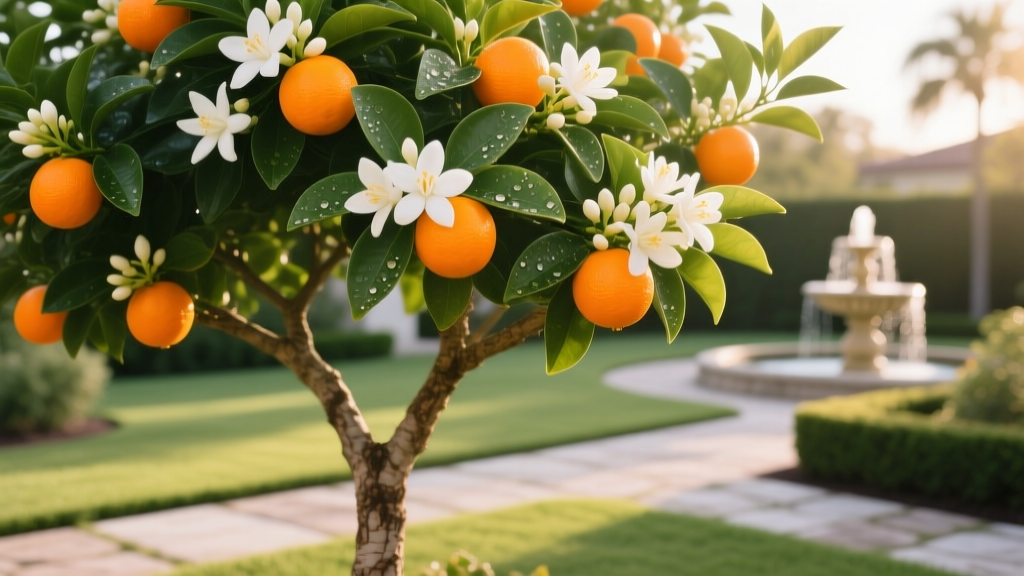
What Is the Florida State Flower? Growing the Orange Blossom
When exploring the botanical heritage of the Sunshine State, a common question among gardeners and botany enthusiasts is: what is the Florida state flower? The official floral emblem of Florida is the orange blossom (Citrus sinensis). Renowned for its intoxicating, sweet fragrance and delicate white petals, the orange blossom has been deeply intertwined with Florida’s cultural and agricultural identity for over a century.
Beyond its symbolic value, the orange blossom represents a massive horticultural industry. For home gardeners, cultivating the trees that produce these blossoms—sweet orange trees—offers the dual reward of stunning spring floral displays and a harvest of fresh citrus. This guide breaks down the botanical identification, historical significance, and precise cultivation requirements for growing orange blossom-producing trees in your own landscape.
Botanical Profile and Identification
To properly identify the Florida state flower in a garden setting, you must look at both the floral structure and the host tree's foliage. The blossoms emerge in clusters during the spring, typically between March and April, depending on local microclimates and winter chill hours.
| Characteristic | Specification |
|---|---|
| Scientific Name | Citrus sinensis |
| Family | Rutaceae (Rue or Citrus family) |
| Petal Count & Color | 5 distinct white, waxy petals |
| Blossom Diameter | 0.75 to 1.25 inches |
| Fragrance Profile | Intensely sweet, floral, with neroli and green citrus undertones |
| Foliage | Evergreen, alternate, ovate leaves with a distinct glossy finish |
Identification Tip: Crush a leaf between your fingers. True citrus leaves contain oil glands that release a sharp, zesty citrus aroma, which easily distinguishes them from look-alike broadleaf evergreens like ligustrum or camellia.
The History Behind Florida's Floral Emblem
The designation of the orange blossom as the state flower is rooted in Florida's post-Reconstruction agricultural boom. Introduced to the region by Spanish explorers in the 1500s, sweet oranges thrived in the state's sandy, well-draining soils and subtropical climate.
'The orange blossom was selected as the state flower by the Florida Legislature in 1909. Its selection was heavily influenced by the millions of orange trees that blanketed the state, perfuming the air during the spring bloom and signaling the economic lifeblood of early 20th-century Florida.' — Florida Department of State
The cultural impact of the flower extended far beyond legislation. It inspired the famous 'Orange Blossom Special' train, which transported wealthy northerners to Miami in the 1920s, and the subsequent bluegrass anthem of the same name. Today, the blossom remains a staple in Florida landscaping, celebrated annually during the Orange Blossom Festival in Central Florida.
How to Grow Orange Blossom Trees in Your Garden
Growing Citrus sinensis requires specific environmental conditions. While commercial groves dominate the central and southern ridges, homeowners can successfully cultivate these trees in residential settings by adhering to strict soil and sunlight parameters.
Hardiness and Placement
Sweet orange trees are cold-tender and thrive exclusively in USDA Hardiness Zones 9 through 11. They require a minimum of 8 hours of direct, unfiltered sunlight daily. In Zone 8 or lower, you must grow dwarf cultivars (such as 'Calamondin' or dwarf 'Valencia') in large containers and overwinter them indoors near a south-facing window or in a heated greenhouse.
Soil Preparation and pH Management
Citrus trees are highly susceptible to root rot (Phytophthora) if planted in heavy, water-retentive clay.
- In-Ground Planting: Amend native sandy soil with 2 to 3 inches of organic compost. Ensure the planting site has a percolation rate of at least 1 inch per hour. Plant the root flare 1 to 2 inches above the surrounding soil grade to prevent water pooling around the trunk.
- Container Planting: Use a fast-draining, chunky mix. A blend of 50% high-quality potting soil, 25% coarse perlite, and 25% pine bark fines provides the necessary aeration. Maintain a strict soil pH between 6.0 and 7.0; outside this range, the tree cannot absorb vital micronutrients like iron and zinc, leading to chlorosis.
Fertilization Schedule
To support heavy spring blooming and subsequent fruit set, citrus requires regular feeding. According to UF/IFAS Gardening Solutions, mature trees should be fertilized three times a year (spring, summer, and early fall). Use a specialized citrus fertilizer with a guaranteed analysis of 6-6-6 or 8-8-8 that includes secondary macronutrients (magnesium and manganese). For organic growers, Espoma Citrus-tone (5-2-6) is an excellent slow-release alternative.
Pest Management and Troubleshooting
The sweet fragrance of the orange blossom can attract more than just pollinators. Citrus trees are magnets for specific sap-sucking and leaf-mining insects that can devastate a tree's photosynthetic capacity and ruin the spring bloom.
The Citrus Leafminer
The citrus leafminer (Phyllocnistis citrella) is a microscopic moth whose larvae tunnel through young, flush foliage, leaving silvery, serpentine trails. While it rarely kills mature trees, it stunts new growth and reduces bloom vigor.
Treatment Protocol: Avoid broad-spectrum insecticides that kill parasitic wasps, the leafminer's natural enemy. Instead, apply a Spinosad-based foliar spray or horticultural neem oil strictly to new leaf flushes. For detailed biological control metrics, refer to the UF/IFAS Featured Creatures entomology database.
Asian Citrus Psyllid and HLB
The most critical threat to any orange blossom tree is the Asian citrus psyllid, which vectors Huanglongbing (HLB), or citrus greening disease. HLB causes asymmetrical yellowing of leaves, bitter, misshapen fruit, and eventual tree death. There is currently no cure for HLB. Homeowners must monitor for the psyllid and promptly remove and destroy any tree exhibiting definitive HLB symptoms to protect neighboring citrus.
Orange Blossom vs. Other Citrus Flowers
While the sweet orange blossom is the official state flower, several other citrus species bloom in Florida gardens. Understanding the morphological differences helps in accurate identification.
| Citrus Type | Blossom Size | Petal Coloration | Fragrance Intensity | Leaf Shape |
|---|---|---|---|---|
| Sweet Orange (C. sinensis) | 1 inch | Pure white | Very High (Sweet) | Ovate, pointed tip, narrow winged petiole |
| Lemon (C. limon) | 1.25 - 1.5 inches | White with purplish-pink margins | Moderate (Sharp/Citrusy) | Elliptical, serrated edges, prominent thorns |
| Grapefruit (C. paradisi) | 1.5 - 2 inches | Pure white, thicker petals | High (Heavier, musky) | Broad, large, prominent winged petiole |
| Kumquat (Fortunella) | 0.5 - 0.75 inches | Pure white | Low (Subtle) | Small, lanceolate, dark green |
Frequently Asked Questions
Can I grow an orange blossom tree indoors year-round?
Standard sweet orange trees will not thrive indoors due to insufficient light intensity and low humidity. However, dwarf cultivars like the 'Calamondin' (often sold as a miniature ornamental orange) can be grown indoors if placed under a 400-watt full-spectrum LED grow light for 12 hours a day and maintained in a room with at least 50% ambient humidity.
Are orange blossoms edible?
Yes, orange blossoms are entirely edible and highly prized in culinary applications. They are frequently used to brew herbal teas, infuse simple syrups, and create orange flower water, a staple ingredient in Mediterranean and Middle Eastern baking. Harvest the blossoms in the early morning when their essential oil concentration is at its peak.
Why is my orange tree dropping its blossoms before fruit sets?
Premature blossom drop is usually caused by environmental stress. The three most common culprits are sudden temperature fluctuations (drops below 40°F or spikes above 90°F during bloom), inconsistent watering (allowing the root zone to dry out completely), and a lack of boron in the soil. Applying a foliar spray containing chelated micronutrients, including boron, just before the spring bloom can significantly improve fruit set.

