
Gardening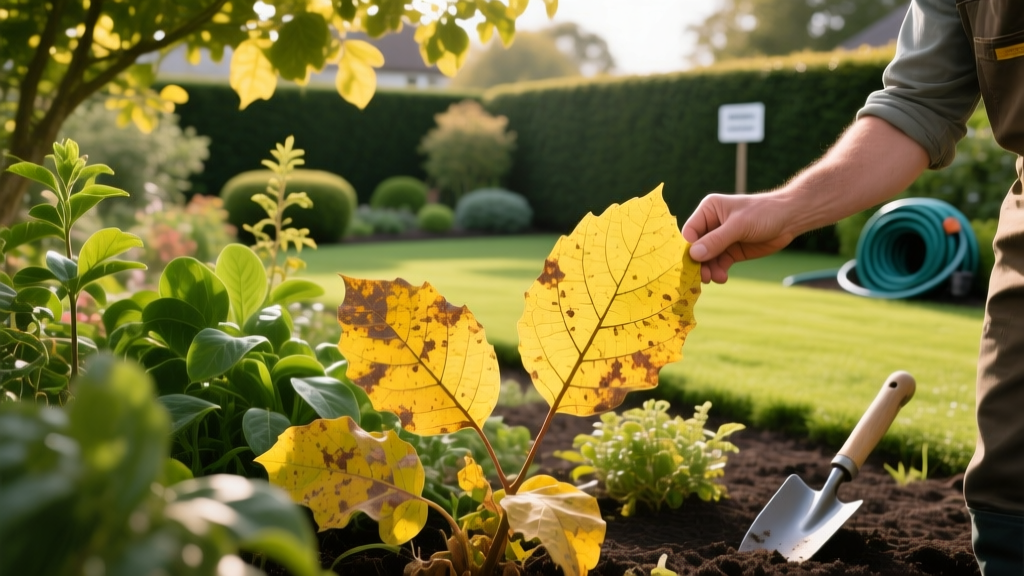
Flower Green Yellow Leaves: Symptom Diagnosis & Rescue Fixes
Decoding the Flower Green Yellow Symptom
When gardeners encounter a "flower green yellow" discoloration, they are typically observing one of two distinct physiological responses: interveinal chlorosis in the foliage or pigment fading in the petals. While vibrant green and yellow variegation is genetically programmed in cultivars like the 'Gold Mound' spirea or certain hostas, sudden or progressive yellowing with green margins on previously healthy plants signals a breakdown in chlorophyll production. This condition, broadly termed chlorosis, prevents the plant from photosynthesizing efficiently, leading to stunted growth, bud drop, and eventually plant death if left uncorrected.
Accurate diagnosis requires examining the exact pattern of the discoloration, the age of the affected leaves, and the current soil chemistry. Misdiagnosing a pH-induced nutrient lockout as a simple nitrogen deficiency and applying high-N synthetic fertilizers will only exacerbate root burn and worsen the yellowing.
Foliage vs. Petal Discoloration Framework
- Interveinal Chlorosis (Leaves): Leaf tissue turns pale yellow or white, but the veins remain distinctly green. This is the hallmark of immobile micronutrient deficiencies, primarily iron or manganese, often triggered by alkaline soil.
- Uniform Yellowing (Leaves): The entire leaf, including veins, turns yellow. If this starts on older, lower leaves and moves upward, it indicates a mobile nutrient deficiency (nitrogen or magnesium) or chronic overwatering.
- Petal Fading (Flowers): Blooms that should be vibrant red, pink, or purple develop green or yellow streaks. This is frequently caused by sunscald, extreme heat stress, or viral infections like Tomato Spotted Wilt Virus (TSWV).
The Chemistry of Nutrient Lockout
The most common cause of the flower green yellow leaf symptom in ornamental gardens is iron chlorosis induced by high soil pH. Iron is essential for chlorophyll synthesis, but it is highly sensitive to soil alkalinity. When soil pH rises above 7.0, iron oxidizes and precipitates into iron hydroxide, a solid compound that plant roots cannot absorb. The iron is physically present in the soil, but it is "locked out" and biologically unavailable to the plant.
According to the University of Minnesota Extension, simply adding more iron fertilizer to alkaline soil is a waste of money. The newly added iron will immediately bind with hydroxyl ions and become insoluble. The rescue fix requires either temporarily bypassing the soil via foliar feeding or permanently altering the soil chemistry using chelating agents and elemental sulfur.
Nutrient Deficiency & Rescue Matrix
Use this diagnostic table to match the specific visual symptoms of your plant to the correct chemical intervention and estimated product costs.
| Symptom Pattern | Primary Deficiency | Soil pH Trigger | Rescue Product & Application | Est. Cost |
|---|---|---|---|---|
| Yellow leaves, green veins (new growth) | Iron (Fe) | pH > 7.0 | EDDHA Chelated Iron (Soil drench) | $30-$40 |
| Yellow leaves, green veins (older growth) | Magnesium (Mg) | pH < 6.0 (Acidic) | Epsom Salts (1 tbsp/gal foliar spray) | $5-$8 |
| Uniform yellowing (older leaves first) | Nitrogen (N) | Any (often leached) | Blood Meal or Fish Emulsion (Soil apply) | $12-$18 |
| Mottled green/yellow rings on petals | Viral Pathogen | N/A | Remove and destroy plant (No cure) | $0 |
Step-by-Step Rescue Protocol for Chlorotic Flowers
If your diagnostic points to iron or manganese chlorosis, follow this precise three-step protocol to restore foliage color and protect the blooming cycle.
Step 1: Verify Soil pH and Moisture
Before applying amendments, test your soil pH using a reliable chemical dye kit like the Luster Leaf Rapitest (approx. $15) or a calibrated digital probe. If the pH is above 7.2, you are dealing with alkaline lockout. Simultaneously, check soil moisture at a 4-inch depth. Soggy soil displaces oxygen, suffocating root hairs and preventing nutrient uptake, which mimics chlorosis perfectly. If the soil is waterlogged, halt all watering and aerate the root zone before proceeding.
Step 2: Select the Correct Chelate
Not all liquid iron products are created equal. Most inexpensive garden center iron products use EDTA chelates. EDTA is effective only in soils with a pH below 7.0. If your soil pH is 7.5 or higher, EDTA will fail. You must purchase an EDDHA chelated iron (such as Sequestrene 138 Fe or Southern Ag Chelated Liquid Iron). EDDHA remains stable and bioavailable in highly alkaline soils up to a pH of 9.0. Apply as a soil drench at a rate of 1 to 2 ounces per gallon of water, targeting the drip line of the plant.
Step 3: Long-Term pH Acidification
Chelated iron provides a rapid, short-term green-up (usually within 7 to 14 days). For a permanent fix, you must lower the soil pH. Apply pelletized elemental sulfur at a rate of 1 to 2 pounds per 100 square feet. Soil bacteria convert the sulfur into sulfuric acid, gradually lowering the pH over 3 to 6 months. The Royal Horticultural Society (RHS) recommends incorporating sulfur into the top few inches of soil in autumn or early spring for optimal microbial conversion.
⚠️ Warning: The Danger of Salt Buildup
Avoid the temptation to repeatedly apply synthetic, salt-based fertilizers (like standard 10-10-10) to "force" growth on yellowing plants. Excessive salts accumulate in the root zone, increasing soil osmotic pressure. This causes reverse osmosis, pulling water out of the plant roots and causing severe fertilizer burn, which manifests as crispy, necrotic yellow margins on the leaves.
Advanced Troubleshooting: When It Is Not Nutrients
If you have verified optimal soil moisture, corrected the pH, and applied the correct chelates, but the flower green yellow symptoms persist, you must investigate biological and pathological vectors.
Root Rot Pathogens
Phytophthora and Pythium root rots destroy the fine feeder roots responsible for nutrient absorption. Above ground, the plant exhibits uniform yellowing and wilting despite moist soil. To confirm, gently excavate the root ball. Healthy roots are firm and white or light tan. Infected roots are dark brown, mushy, and emit a foul, anaerobic odor. Rescue requires improving drainage, applying a phosphite-based fungicide (like Agri-Fos), and pruning away necrotic root mass.
Viral Infections
If the yellowing appears as distinct, asymmetrical mosaic patterns, ring spots, or if the flower petals themselves exhibit unnatural green and yellow streaking (color breaking), suspect a viral infection. Thrips are the primary vectors for viruses like Impatiens Necrotic Spot Virus (INSV) and Tomato Spotted Wilt Virus (TSWV). There is no chemical cure for plant viruses. The only responsible action is to bag and dispose of the infected plant in the municipal trash (not the compost pile) to prevent the vector from spreading the pathogen to healthy specimens.
Frequently Asked Questions
Can I use coffee grounds to lower soil pH and fix yellow leaves?
Used coffee grounds are largely pH neutral (around 6.5 to 6.8) because the acidic compounds are water-soluble and wash into your cup during brewing. While they add organic matter, they will not effectively lower soil pH to cure iron chlorosis. Rely on elemental sulfur or aluminum sulfate (for non-acid-sensitive plants) for meaningful pH adjustments.
Why did my hydrangea blooms turn green instead of pink or blue?
Hydrangea macrophylla petals naturally turn green as they age and photosynthesis begins to occur within the sepals. However, if blooms open green or fade prematurely to a pale yellow-green, it is usually a result of intense, unfiltered afternoon sunscald or extreme heat stress, which degrades the anthocyanin pigments responsible for pink and blue coloration. Provide dappled afternoon shade to preserve bloom color.
How fast will EDDHA chelated iron work on yellow leaves?
When applied as a soil drench to the active root zone, EDDHA chelated iron typically shows visible re-greening of the newest foliage within 7 to 14 days. Severely damaged older leaves may not fully recover and should be left on the plant until they drop naturally, as the plant will reabsorb remaining mobile nutrients from them before abscission.

