
Gardening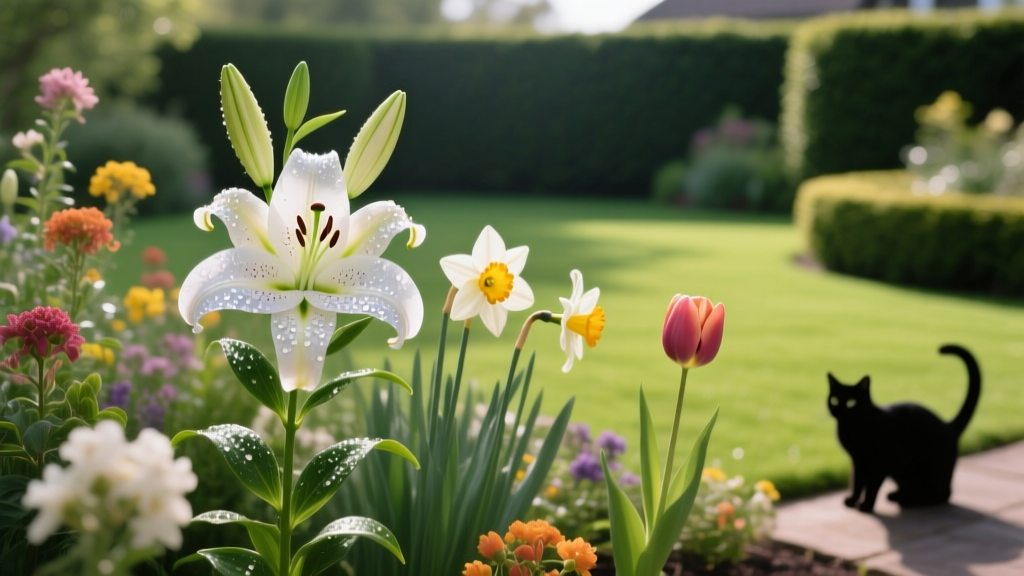
Flowers Deadly to Cats: Toxicity Diagnosis & Safe Garden Fixes
Feline foraging behavior turns common ornamental gardens into lethal environments. Unlike dogs, cats lack specific hepatic enzymes, such as glucuronyl transferase, rendering them unable to properly metabolize certain plant alkaloids, glycosides, and oxalates. When cultivating outdoor spaces, identifying flowers deadly to cats is a critical diagnostic step before soil preparation or planting begins. Misidentifying a toxic bloom can result in irreversible organ failure within hours of ingestion.
The Lethal Botanicals: 4 Flowers Deadly to Cats
Not all toxic plants are created equal. While some cause mild gastrointestinal distress, the following four ornamental species contain compounds that trigger fatal systemic reactions in felines. Understanding their specific mechanisms of toxicity is essential for garden planning and emergency diagnosis.
1. True Lilies and Daylilies (Lilium and Hemerocallis species)
True lilies (Asiatic, Easter, Tiger, Stargazer) and daylilies are arguably the most dangerous flowers deadly to cats. They contain an unidentified nephrotoxin that causes acute tubular epithelial necrosis (rapid kidney death). Ingestion of just one or two petals, a single leaf, or even grooming pollen off their fur leads to irreversible renal failure within 36 to 72 hours. Diagnostic Note: "Peace lilies" (Spathiphyllum) and "Calla lilies" (Zantedeschia) contain insoluble calcium oxalates. They cause severe oral pain and drooling but are not fatal nephrotoxins.
2. Oleander (Nerium oleander)
Often used in warm-climate landscaping (USDA Zones 8-10), Oleander contains potent cardiac glycosides (oleandrin). These compounds inhibit the sodium-potassium ATPase pump in heart muscle cells. A single chewed leaf can cause fatal cardiac arrhythmias, tremors, and sudden death. All parts of the plant, including dried clippings and the water in a vase, remain highly toxic.
3. Sago Palm (Cycas revoluta)
While technically a cycad rather than a flowering angiosperm, Sago Palms are ubiquitous in garden beds and containers. They contain cycasin, a severe hepatotoxin. The seeds (nuts) contain the highest concentration, but chewing on the fronds is enough to induce acute liver necrosis, coagulopathy, and neurological seizures. According to the Pet Poison Helpline, the survival rate drops below 50% once clinical signs of liver failure manifest.
4. Autumn Crocus (Colchicum autumnale)
Gardeners often confuse the deadly Autumn Crocus with the Spring Crocus (Crocus vernus). While the spring variety causes only mild vomiting, the Autumn Crocus contains colchicine, a highly toxic alkaloid that halts cellular mitosis. Ingestion causes severe hemorrhagic gastroenteritis, bone marrow suppression, and multi-organ damage. Symptoms can be delayed for several days, complicating diagnosis.
Toxicity Symptom Diagnosis Matrix
Accurate diagnosis relies on matching the observed clinical signs with the suspected plant material. Use this matrix to identify the likely culprit if you find chewed foliage in your garden beds.
| Plant Species | Primary Toxin | Early Symptoms (0-12 hrs) | Late Symptoms (12-72 hrs) |
|---|---|---|---|
| Lilium / Hemerocallis | Unknown Nephrotoxin | Vomiting, lethargy, anorexia, dehydration | Polyuria (excessive urination) progressing to anuria (no urine), acute kidney failure |
| Nerium oleander | Cardiac Glycosides | Drooling, nausea, abdominal pain, diarrhea | Fatal cardiac arrhythmias, tremors, sudden collapse |
| Cycas revoluta | Cycasin | Vomiting (often with blood), diarrhea, lethargy | Liver failure, bruising/bleeding disorders, seizures |
| Colchicum autumnale | Colchicine | Oral irritation, vomiting, bloody diarrhea | Bone marrow suppression, respiratory distress, organ failure |
The First 60 Minutes: Emergency Triage Protocol
If you suspect your cat has ingested any of the flowers deadly to cats listed above, immediate veterinary intervention is non-negotiable. Do not wait for symptoms to appear; by the time clinical signs manifest, cellular damage is often irreversible.
⚠️ CRITICAL WARNING: Do NOT Induce Vomiting at Home
Unlike dogs, cats have a high risk of developing severe hemorrhagic gastroenteritis and fatal aspiration pneumonia when given 3% hydrogen peroxide. Never attempt to induce vomiting in a cat at home. Veterinary professionals use specific intravenous medications (like maropitant or xylazine) in controlled environments to safely empty the stomach.
- Isolate and Decontaminate: Remove the cat from the garden immediately. If pollen is on their fur, wrap them in a towel to prevent grooming and wipe their coat with a damp cloth.
- Identify the Plant: Take a clear photo of the chewed plant, including the leaves, stem, and any remaining flowers. Bring a physical sample in a sealed bag to the clinic.
- Call Poison Control: Contact the ASPCA Animal Poison Control Center (888-426-4435) or the Pet Poison Helpline (855-764-7661) while en route to the vet. Note that consultation fees (typically $75-$95) apply, but they provide exact treatment protocols to your veterinarian.
- Transport for Aggressive IV Fluids: For lily toxicity, the Pet Poison Helpline recommends initiating aggressive intravenous fluid diuresis within 18 hours of ingestion to flush the nephrotoxins and prevent renal tubular necrosis.
Botanical Swaps: Replacing Toxic Blooms
You do not need to sacrifice garden aesthetics to protect your pets. By swapping high-risk ornamentals with feline-safe alternatives, you can maintain vibrant color palettes and structural interest in your landscape.
- Swap True Lilies for Astilbe (Astilbe x arendsii): Astilbe provides the same tall, feathery, vertical plumes of pink, red, and white as lilies but thrives in partial shade and is completely non-toxic to cats. Hardy in Zones 3-8.
- Swap Oleander for Bottlebrush (Callistemon citrinus): For warm-climate gardeners needing a dense, flowering privacy screen, Bottlebrush offers striking red, brush-like blooms that attract hummingbirds without the cardiac glycosides. Hardy in Zones 8-11.
- Swap Sago Palm for Boston Fern (Nephrolepis exaltata): If you need lush, architectural fronds for shaded garden beds or large patio containers, Boston Ferns provide a similar tropical texture and are entirely safe for feline nibbling.
- Swap Autumn Crocus for Hardy Begonia (Begonia grandis): For late-season color in shaded borders, Hardy Begonias offer delicate pink or white flowers and attractive foliage without the mitotic toxicity of colchicine.
Feline-Proofing Your Garden Infrastructure
Beyond plant selection, modifying your garden's physical layout reduces the likelihood of accidental ingestion. Cats are drawn to gardens for digging, hunting, and foraging. Implementing structural deterrents redirects this behavior safely.
"Cats are highly tactile and olfactory creatures. Integrating dedicated 'cat-scapes' with catnip (Nepeta cataria) and cat grass (Dactylis glomerata) in a designated raised bed satisfies their foraging instincts, keeping them away from your primary ornamental borders."
— Feline Environmental Enrichment Guidelines
Physical Deterrents: Avoid using cocoa bean mulch, which contains theobromine (toxic to cats and dogs) and smells appealing to them. Instead, use rough-textured mulches like pine cones, holly cuttings, or sharp-edged stone gravel in your planting beds. Cats dislike the texture on their paws and will avoid digging in these areas.
Elevated Planting: Utilize raised cedar beds with a minimum height of 36 inches. While cats can jump this height, combining the elevation with a top-layer of chicken wire buried just beneath the soil surface prevents the digging behavior that often precedes plant chewing. For container gardens, use heavy, wide-based ceramic pots that cannot be easily tipped over by an active feline.

