
Gardening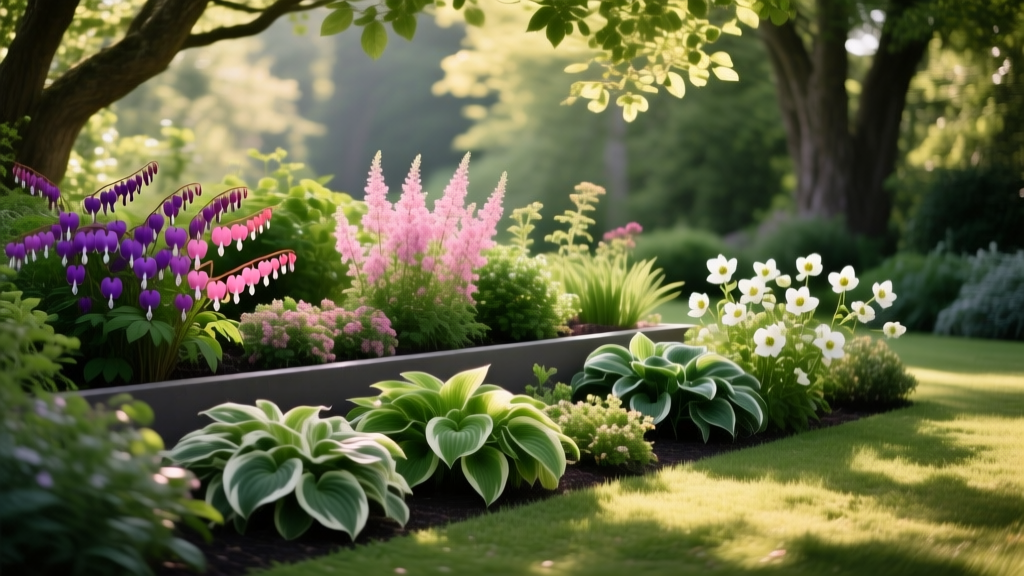
Flowers That Grow in Shade: A Problem-Solver's Guide to Low-Light Beds
Diagnosing Your Shade: It Is Not Just a Lack of Sun
The most common failure mode in low-light gardening is treating 'shade' as a single, uniform condition. To successfully cultivate flowers that grow in shade, you must first quantify your site's specific microclimate. Shade is dictated by two variables: light intensity (measured in lux or foot-candles) and soil moisture competition. Before purchasing a single plant, map your garden beds using a digital lux meter (such as the Dr.meter LX1330B) at 10:00 AM, 1:00 PM, and 4:00 PM on a clear summer day.
Microclimate Diagnostic Baseline:
• Full Sun: > 50,000 lux (Direct, unfiltered light)
• Partial Shade: 20,000 - 50,000 lux (3-6 hours of direct morning sun)
• Dappled Shade: 10,000 - 20,000 lux (Filtered light through high tree canopies)
• Full/Deep Shade: < 10,000 lux (Less than 2 hours of direct sun, usually blocked by structures or dense evergreens)
• Full Sun: > 50,000 lux (Direct, unfiltered light)
• Partial Shade: 20,000 - 50,000 lux (3-6 hours of direct morning sun)
• Dappled Shade: 10,000 - 20,000 lux (Filtered light through high tree canopies)
• Full/Deep Shade: < 10,000 lux (Less than 2 hours of direct sun, usually blocked by structures or dense evergreens)
According to the University of Minnesota Extension, matching a plant's genetic light threshold to your exact lux reading prevents the 'leggy growth' and 'failure to bloom' issues that plague 80% of amateur shade gardens. Once you have your light data, you must assess the soil moisture, which is almost always dictated by the overhead canopy.
The Dry Shade Dilemma: Competing with Tree Roots
Dry shade is the most hostile environment in residential landscaping. It typically occurs under shallow-rooted trees like Norway maples, oaks, and elms. These trees act as massive biological sponges, extracting moisture and nutrients from the top 12 inches of soil before flowering perennials can access them. Attempting to rototill this soil to amend it will sever the tree's feeder roots, inviting pathogenic fungi like Armillaria (root rot) into the canopy.
Site-Specific Solutions for Dry Shade
Instead of tilling, utilize a 'top-dress and plant' strategy. Apply a 2-inch layer of a 50/50 mix of composted pine bark fines and leaf mold directly over the existing soil. This mimics the natural forest floor, retaining moisture without suffocating the tree roots. For plant selection, you need rhizomatous perennials that can navigate around tree roots and tolerate periodic drought.
- Epimedium x rubrum (Barrenwort): Thrives in lux levels as low as 5,000. Its woody rhizomes allow it to slip between tree roots. Cultivar 'Frohnleiten' offers superior evergreen winter foliage.
- Geranium macrorrhizum 'Bevan's Variety': Features thick, aromatic rhizomes that form a dense, weed-suppressing mat. It blooms with magenta flowers in late spring and requires zero supplemental irrigation once established.
- Helleborus x hybridus (Lenten Rose): Deep taproots allow it to access moisture below the tree's primary feeder root zone. Look for the 'Ivory Prince' cultivar for upward-facing, sterile blooms that last up to 8 weeks.
Wet and Boggy Shade: Solving Drainage Deficits
When heavy clay soil combines with a lack of solar evaporation, you get wet shade. This environment rapidly depletes soil oxygen, leading to anaerobic conditions and fatal root rot (Phytophthora) in most standard perennials. The problem-solving approach here requires structural soil modification paired with hydrophilic (water-loving) plant selections.
Engineering the Wet Shade Bed
Do not simply add more compost to wet clay; this creates a 'bathtub effect' that holds water longer. Instead, incorporate expanded shale (often sold under the brand name Permatill) at a 20% ratio by volume into the top 8 inches of soil. Expanded shale is a porous, lightweight aggregate that permanently fractures clay compaction and creates microscopic air pockets, allowing roots to breathe even when saturated.
Top Cultivars for Saturated Soils
- Astilbe x arendsii 'Fanal': Produces striking crimson-red plumes in early summer. Unlike older Astilbe varieties that scorch if the soil dries out for even 24 hours, 'Fanal' has a higher moisture-retention capacity in its cellular structure.
- Ligularia dentata 'Desdemona': A structural powerhouse with massive, bronze-purple leaves and bright orange daisy-like flowers. It requires constant moisture and will dramatically wilt on hot afternoons if the soil lacks adequate water tension, serving as an excellent visual indicator for irrigation needs.
- Rodgersia pinnata 'Superba': Features deeply veined, palmate leaves that resemble large astilbe foliage, topped with pink panicles. It thrives in the poorly drained margins of water features.
Microclimate Matching Matrix
Use this decision matrix to cross-reference your site conditions with the correct botanical solutions. This framework eliminates the guesswork of generic 'shade plant' lists found at big-box garden centers.
| Shade Type | Soil Moisture | Primary Failure Mode | Recommended Cultivar | Soil Amendment Protocol |
|---|---|---|---|---|
| Dappled (15k lux) | Dry (Tree roots) | Drought stress, root competition | Epimedium 'Sulphureum' | 2-inch leaf mold top-dress |
| Partial (30k lux) | Moist (Loam) | Powdery mildew (poor airflow) | Aquilegia 'Origami Mix' | Standard compost integration |
| Full (<10k lux) | Wet (Clay) | Phytophthora root rot | Ligularia 'Desdemona' | 20% expanded shale by volume |
| Deep (<5k lux) | Variable | Etiolation (leggy, weak stems) | Heuchera 'Palace Purple' | Mycorrhizal fungi inoculant |
Troubleshooting Common Shade Garden Failures
Even with correct plant selection, shade gardens present unique biological challenges. Here is how to diagnose and fix the three most common issues.
1. The Slug and Snail Epidemic
Shade environments maintain high humidity and cool temperatures, creating an ideal breeding ground for gastropods that will decimate hostas and astilbes overnight. Avoid traditional metaldehyde baits, which are toxic to local wildlife and pets. Instead, apply an iron phosphate-based bait (such as Sluggo) at a rate of 1 teaspoon per square yard. Iron phosphate disrupts the slug's calcium metabolism, causing them to stop feeding immediately and retreat underground to die, eliminating the surface mess.
2. Powdery Mildew in Stagnant Air
Many shade-tolerant plants, particularly Phlox and Monarda, are highly susceptible to powdery mildew (Erysiphe cichoracearum) because shade beds often lack the thermal drafts required to dry foliage. To solve this, prune the lower 25% of the foliage on mature perennials to create a 'wind tunnel' at the soil level. If infection occurs, treat with a potassium bicarbonate fungicide (like GreenCure), which alters the leaf surface pH to a level where fungal spores cannot germinate, rather than just coating the leaf in oil.
3. Nutrient Lockout from Acidic Mulch
Many gardeners use raw pine needles or uncomposted wood chips in shade beds. As these materials break down, soil bacteria consume massive amounts of nitrogen, temporarily locking it away from your flowers (nitrogen immobilization). This results in chlorotic (yellowing) leaves despite adequate soil fertility. Always use fully composted mulch, or apply a slow-release, high-nitrogen fertilizer (such as a 16-4-8 NPK ratio) at half the recommended rate when applying raw carbon-heavy mulches.
Expert Insight: According to the Royal Horticultural Society (RHS), the most successful shade gardens rely on foliage texture rather than just flower color. In low-light environments where blooming windows are naturally shorter, pairing the glossy, strappy leaves of Liriope muscari with the matte, deeply lobed leaves of Rodgersia creates visual depth that persists from early spring until the first hard frost.
Final Site Preparation Checklist
Before executing your planting plan, run through this final diagnostic checklist to ensure your site is primed for success:
- Canopy Thinning: Hire a certified arborist to perform a 'crown raising' and selective thinning of overhead branches. Removing just 15% of the lower canopy can increase ground-level lux by up to 40%, pushing a 'deep shade' bed into the highly versatile 'dappled shade' category.
- Soil pH Testing: Shade soils, particularly under conifers and oaks, trend highly acidic (pH 4.5 - 5.5). Most shade perennials prefer a pH of 6.0 to 6.8. Apply pelletized dolomitic lime at the rate specified by your local NC State Extension soil test results to unlock bound phosphorus and calcium.
- Mycorrhizal Inoculation: Because shade plants often have finer, less aggressive root systems, dusting the root balls with an endomycorrhizal fungi inoculant at planting time expands their effective absorption zone by up to 100 times, crucial for surviving the first-year establishment phase.

