
Gardening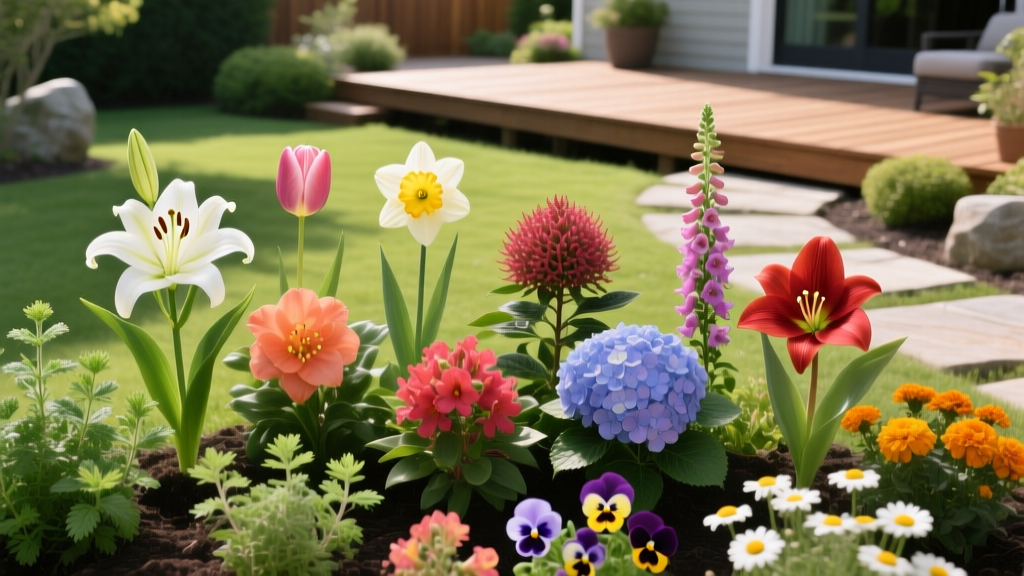
Flowers Harmful to Cats: 9 Toxic Blooms and Safe Alternatives
The Hidden Dangers in Your Garden Beds
Designing a vibrant garden is a rewarding endeavor, but for homeowners with feline companions, plant selection requires careful scrutiny. Many popular ornamental flowers contain secondary metabolites that are highly toxic to cats. Unlike dogs or humans, cats possess a unique hepatic metabolism—they lack specific glucuronyl transferase enzymes required to break down certain plant compounds. This biological quirk turns otherwise benign garden staples into severe health hazards.
According to the ASPCA Animal Poison Control Center, floral toxicity remains one of the top reasons for emergency veterinary visits during the spring and summer planting seasons. Understanding exactly which flowers harmful to cats are lurking in your landscape—and knowing what to plant instead—is critical for a safe, thriving garden.
Feline Floral Toxicity: 9 Dangerous Blooms
The severity of plant poisoning depends on the specific toxic principle, the part of the plant ingested, and the volume consumed. Below is a clinical matrix of the most common toxic flowers found in residential gardens.
| Common Name | Botanical Name | Toxic Principle | Clinical Signs & Severity |
|---|---|---|---|
| Lilies (True & Daylilies) | Lilium & Hemerocallis spp. | Unknown water-soluble compound | Acute renal failure within 24-72 hours. Fatal if untreated. (Extreme Danger) |
| Tulips | Tulipa spp. | Allergenic lactones (tulipalin A & B) | Oral irritation, drooling, vomiting. Highest concentration in bulbs. (Moderate) |
| Daffodils | Narcissus spp. | Lycorine and calcium oxalate crystals | Severe vomiting, cardiac arrhythmias, convulsions. Bulbs are most toxic. (High) |
| Oleander | Nerium oleander | Cardiac glycosides | Fatal cardiac arrest, severe gastrointestinal distress. (Extreme Danger) |
| Azaleas & Rhododendrons | Rhododendron spp. | Grayanotoxins | Cardiovascular collapse, hypotension, coma. (Extreme Danger) |
| Hydrangeas | Hydrangea macrophylla | Cyanogenic glycosides | Vomiting, depression, diarrhea. Rarely fatal but highly distressing. (Moderate) |
| Chrysanthemums | Chrysanthemum spp. | Pyrethrins | Drooling, vomiting, incoordination, dermatitis. (Low to Moderate) |
| Foxglove | Digitalis purpurea | Deslanoside and digitoxin | Severe cardiac arrhythmias, heart failure. (Extreme Danger) |
| Lily of the Valley | Convallaria majalis | Cardiac glycosides | Vomiting, fatal cardiac dysrhythmias. (Extreme Danger) |
⚠️ The Lily Warning: The Pet Poison Helpline emphasizes that all parts of Lilium and Hemerocallis plants are deadly to cats. Ingestion of just two petals, drinking water from a floral vase containing lilies, or even grooming pollen off their fur can trigger irreversible acute kidney injury. Treatment costs for IV fluid diuresis and potential hemodialysis typically range from $2,500 to $5,000+.
Real-World Exposure Scenarios in the Garden
Beginner gardeners often assume toxicity only occurs when a pet actively grazes on foliage. In reality, feline exposure happens in non-obvious ways:
- Pollen Tracking: Cats brushing against blooming lilies or foxgloves will ingest toxic pollen during their meticulous grooming routines.
- Dug-Up Bulbs: Tulip and daffodil bulbs contain up to 15 times more allergenic lactones and lycorine than the stems or flowers. If a cat digs in freshly turned soil, a single nibble on a bulb can trigger severe symptoms.
- Vase Water: Water from cut flower arrangements leaches water-soluble toxins (especially from lilies) within hours. A few laps from a knocked-over vase is enough to cause renal failure.
- Mulch and Clippings: Discarded prunings from azaleas or oleanders left on the lawn can dry out and become brittle, making them more likely to be chewed by curious cats.
The Safe Swap Framework: Cat-Friendly Alternatives
You do not need to sacrifice garden aesthetics to protect your pets. Use this decision framework to replace toxic blooms with visually striking, non-toxic alternatives that thrive in similar conditions.
1. For Shady Borders (Replacing Hostas, Lilies, and Hydrangeas)
Astilbe (Astilbe x arendsii)
- USDA Zones: 4-9
- Light: Partial to full shade
- Why it works: Produces tall, feathery plumes in pink, red, and white. Completely non-toxic and thrives in the same moist, shaded microclimates as hydrangeas.
Coral Bells (Heuchera spp.)
- USDA Zones: 4-9
- Light: Partial shade
- Why it works: Grown primarily for its striking foliage (ranging from deep burgundy to lime green), it provides the low-level ground cover that lilies often occupy without the renal risks.
2. For Sunny, High-Impact Beds (Replacing Tulips, Daffodils, and Oleander)
Gerbera Daisy (Gerbera jamesonii)
- USDA Zones: 8-10 (grown as annuals in cooler zones)
- Light: Full sun to light afternoon shade
- Why it works: Delivers the massive, vibrant color punch of tulips and daffodils but is 100% safe for feline ingestion.
Snapdragon (Antirrhinum majus)
- USDA Zones: 7-10 (often grown as cool-season annuals)
- Light: Full sun
- Why it works: Provides vertical architectural height similar to foxglove, but contains no cardiac glycosides. The unique flower structure also deters heavy chewing.
💡 Pro Gardening Tip: When purchasing 'pet-safe' seed mixes or starter plants from big-box nurseries, always verify the botanical name on the tag. Common names like 'Daisy' or 'Lily' are applied to dozens of different plant families, some of which are highly toxic (e.g., Peace Lily / Spathiphyllum, which contains calcium oxalate crystals).
Emergency Protocol: What to Do If Ingestion Occurs
If you suspect your cat has ingested any of the flowers harmful to cats listed above, immediate action dictates the prognosis. Follow these exact steps:
- Remove the Plant Material: Gently wipe any pollen from the cat's fur using a damp cloth to prevent grooming ingestion. Remove any chewed leaves from their mouth if it is safe to do so.
- DO NOT Induce Vomiting at Home: Never administer 3% hydrogen peroxide to a cat. While this is a standard at-home protocol for dogs, it causes severe, potentially fatal hemorrhagic gastritis in felines. Leave emesis induction to veterinary professionals.
- Identify the Plant: Take a clear photo of the flower, including the leaves and the nursery tag if available. This allows the veterinarian to identify the exact toxic principle and administer the correct antitoxin or supportive care.
- Transport Immediately: Call your nearest emergency veterinary clinic or the ASPCA Poison Control (888-426-4435) while en route. For lily ingestion, IV fluid diuresis must begin within 12-18 hours to prevent permanent kidney necrosis.
Designing for Coexistence
Creating a beautiful garden and keeping your cat safe are not mutually exclusive goals. By auditing your current landscape for toxic blooms, utilizing physical barriers like chicken wire over freshly planted bulb beds, and swapping dangerous species for robust, feline-safe perennials, you can cultivate a vibrant outdoor space that the whole family can enjoy safely.

