
Gardening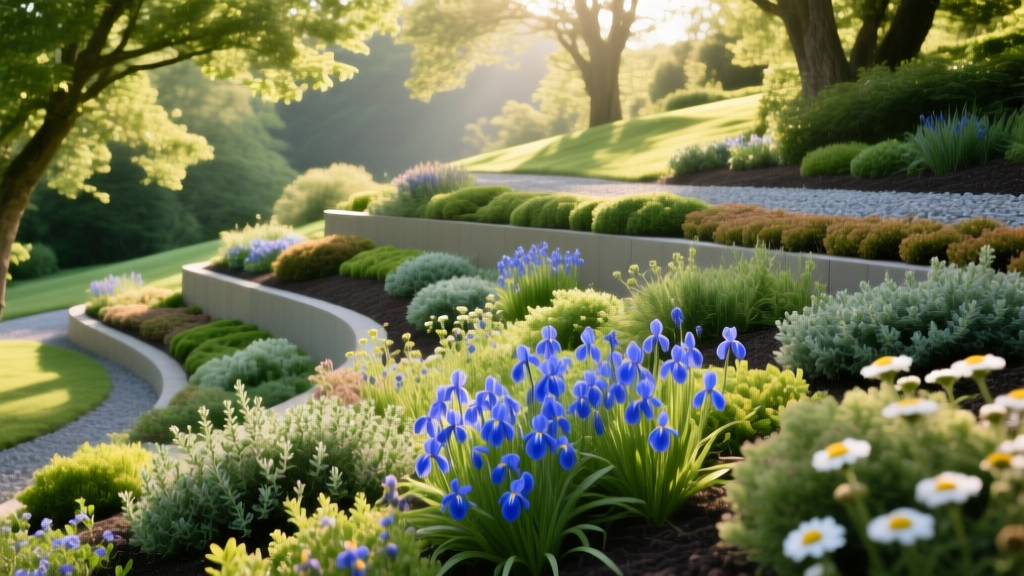
Best Flowers on Ground for Low-Maintenance Erosion Control
Replacing high-maintenance turfgrass or年年 replenished wood mulch with living groundcovers is one of the most impactful upgrades a homeowner can make. When you plant the right flowers on ground surfaces, you create a self-sustaining ecosystem that suppresses weeds, retains soil moisture, and drastically reduces erosion. According to landscape ecologists, a dense living groundcover can reduce topsoil erosion by up to 85% compared to bare soil, while simultaneously lowering ambient ground temperatures by 5°F to 10°F during peak summer months.
However, not all ground-hugging blooms perform equally. Choosing the wrong species for your specific microclimate leads to bare patches, fungal die-offs, and aggressive spreading into unwanted zones. This guide provides a data-driven framework for selecting, prepping, and planting the best low-growing floral groundcovers for your landscape.
The Groundcover Selection Matrix
Before purchasing plants, you must match the species to your site's specific constraints. The Penn State Extension emphasizes that soil drainage and light exposure are the primary failure points for novice groundcover plantings. Use the matrix below to identify the best category for your yard.
| Site Condition | Recommended Species | Foot Traffic Tolerance | Growth Rate & Spread |
|---|---|---|---|
| Full Sun, Dry/Sandy Soil | Creeping Thyme, Sedum | Moderate to High | Moderate (Fills in 1-2 seasons) |
| Full Sun, Average Loam | Creeping Phlox, Alyssum | Low (Ornamental only) | Fast (Fills in 1 season) |
| Part to Full Shade | Bugleweed, Sweet Woodruff | Low to Moderate | Fast to Aggressive |
| Heavy Clay, Moist | Mazus, Creeping Jenny | Low | Very Fast (Requires edging) |
Top 4 Beginner-Friendly Flowers on Ground
When shopping at local nurseries in 2026, avoid generic seed packets labeled 'wildflower mix' for groundcover purposes. Instead, look for specific vegetative cultivars sold in 32-cell plug flats (typically priced between $40 and $65 per flat). These offer uniform growth habits and predictable spread rates.
1. Creeping Phlox (Phlox subulata 'Emerald Blue')
For a spectacular spring display in full sun, 'Emerald Blue' is the industry standard. It forms a dense, moss-like mat reaching exactly 4 to 6 inches in height. Unlike cheaper seed-grown varieties, this cultivar maintains tight, uniform foliage that effectively chokes out spring weed seeds. Spacing: Plant plugs 10 to 12 inches apart in a staggered grid. Soil Requirement: Requires a pH between 6.0 and 7.0; perform a $15 soil test before planting to ensure adequate phosphorus levels for bloom production.
2. Creeping Thyme (Thymus serpyllum 'Elfin')
If you need flowers on ground areas that experience occasional foot traffic, 'Elfin' thyme is virtually unmatched. Growing only 2 inches tall, it releases a pleasant herbal fragrance when stepped on and produces tiny lavender-pink flowers in early summer. It thrives in poor, rocky soils where other plants fail. Warning: It is highly susceptible to root rot in heavy clay. Amend clay soils with 30% coarse horticultural sand by volume before planting.
3. Bugleweed (Ajuga reptans 'Catlin's Giant')
For shady areas beneath tree canopies where grass refuses to grow, 'Catlin's Giant' offers massive, bronze-purple leaves and striking blue flower spikes. The University of Maryland Extension notes that Ajuga is one of the few reliable evergreen groundcovers for deep shade in USDA zones 4-9. Spacing: 8 inches apart. Edge Case: Ajuga can be susceptible to Southern blight (Sclerotium rolfsii) in hot, humid summers. Ensure morning sun exposure to dry the foliage quickly.
4. Sweet Alyssum (Lobularia maritima 'Snow Princess')
Unlike the perennial options above, 'Snow Princess' is a sterile, heat-tolerant annual hybrid. It is the best choice for beginners who want immediate, dense floral coverage in the first season without waiting years for plugs to knit together. It spills beautifully over retaining walls and suppresses summer weeds effectively. Cost: Usually sold in 4-inch pots for $4 to $6 each; plant 3 pots per square meter for instant coverage.
Step-by-Step Soil Prep and Planting Protocol
The success of your groundcover hinges entirely on site preparation. Skipping these steps is the primary reason new plantings fail to establish.
- Clear Existing Vegetation (Weeks 1-4): Do not use chemical herbicides if you plan to plant immediately. Instead, use the solarization method. Mow the area to the soil line, water deeply, and cover with 2-mil clear polyethylene sheeting for 4 to 6 weeks during peak summer heat. This bakes weed seeds and nematodes in the top 6 inches of soil.
- Amend the Soil Profile (Week 5): Once cleared, spread a 2-inch layer of finished compost over the area. Use a broadfork or garden fork to incorporate the compost into the top 4 inches of native soil. Avoid deep rototilling, which destroys soil structure and brings dormant weed seeds to the surface.
- Establish the Planting Grid (Week 6): Use landscaping paint to mark a staggered 'quincunx' pattern (like the number 5 on a die). This geometric arrangement allows the plants to knit together 20% faster than traditional square grid planting.
- Plant and Mulch: Dig holes slightly wider than the plug root balls. Plant at the exact same depth they were growing in the cells. Backfill and water immediately. Apply a 1-inch layer of pine straw (not wood chips, which can harbor artillery fungus) between the plugs to retain moisture while the roots establish.
Pro-Tip for Faster Knitting: To accelerate the lateral spread of creeping thyme and phlox, apply a liquid kelp and humic acid root drench (such as Grow More Seaweed Extract) at a rate of 1 tablespoon per gallon of water every 14 days during the first growing season. This stimulates aggressive lateral root growth without pushing excessive, weak top growth.
Troubleshooting Common Groundcover Failures
Even with perfect preparation, environmental stressors can impact your living mulch. Here is how to diagnose and fix the most common issues.
- Center Die-Out in Mature Patches: After 3 to 5 years, creeping thyme and phlox often die out in the center of their mats due to woody stem buildup and soil compaction. The Fix: In early spring, use a thatching rake or a stiff push broom to aggressively rake out the dead, woody under-layer. Top-dress the exposed soil with a quarter-inch of compost to stimulate new crown growth.
- Fungal Leaf Spot on Ajuga: If your Bugleweed develops brown, water-soaked lesions on the leaves, it is likely suffering from Cercospora leaf spot. The Fix: Improve air circulation by thinning the patch by 20%. Apply a biological fungicide containing Bacillus subtilis (such as Serenade Garden) at the first sign of symptoms, repeating every 7 days until dry weather returns.
- Winter Burn on Evergreen Cultivars: In USDA zones 5 and below, harsh winter winds can desiccate the foliage of evergreen groundcovers, leaving them bronze and brittle. The Fix: Install a temporary burlap windbreak on the north and west sides of the bed in late November, and ensure the soil is deeply watered before the ground freezes hard in December.
For a comprehensive database of specific plant hardiness and regional performance data, always cross-reference your selections with the Missouri Botanical Garden Plant Finder before making bulk nursery purchases.
Frequently Asked Questions
Will groundcover flowers invade my lawn?
Species like Creeping Jenny (Lysimachia nummularia) and certain Mint family members are highly aggressive and will cross borders into turfgrass. To prevent this, install a 6-inch deep galvanized steel or high-density polyethylene (HDPE) landscape edging between the floral bed and the lawn. Phlox and Thyme are generally well-behaved and stop at physical boundaries.
How do I weed a newly planted groundcover bed?
During the first year, before the plants have fully 'knitted' together, hand-pulling is required. Avoid using pre-emergent herbicides like Preen, as they will prevent the groundcover's lateral stolons from rooting into the soil as they spread. Once the canopy closes (usually by year two), the shade cast by the dense foliage naturally suppresses 95% of weed seed germination.

