
Gardening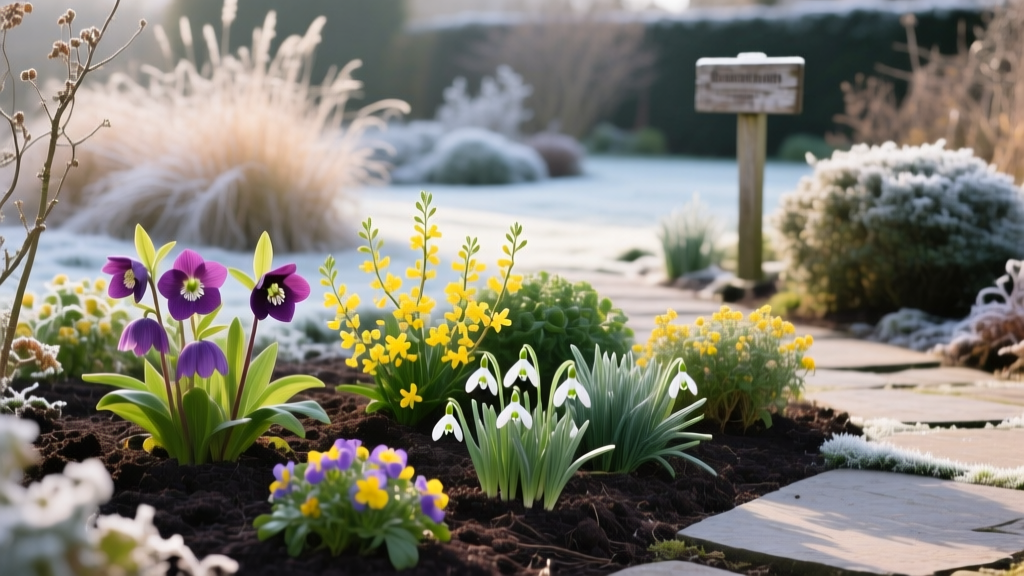
Hardy Flowers That Grow in Winter: Regional Planting Calendar
Decoding Winter Hardiness and Microclimates
Successfully cultivating flowers that grow in winter requires more than just selecting cold-tolerant species; it demands precise alignment with your regional climate and specific microclimates. The USDA Plant Hardiness Zone Map remains the foundational tool for this, categorizing regions by their average annual extreme minimum winter temperatures. However, winter gardening success hinges on understanding microclimates—areas in your yard that deviate from the regional baseline due to sun exposure, wind protection, or thermal mass from nearby structures.
Microclimate Hack: South-facing walls absorb solar radiation during the day and release it at night, creating a thermal buffer that can elevate local temperatures by 5°F to 10°F. Planting marginally hardy winter blooms like Camellia japonica near a south-facing brick wall can effectively shift your localized hardiness zone up by half a zone.
The Master Calendar: When to Plant Winter-Blooming Flowers
Timing is the most critical variable for winter blooms. Planting too late prevents root establishment before the ground freezes, while planting too early exposes tender new growth to late-summer heat stress. Below is the regional planting framework for establishing winter-active root systems.
| Region / Zones | Optimal Planting Window | Target Soil Temperature | Primary Winter Bloomers |
|---|---|---|---|
| Northeast / Midwest (Zones 3-5) | Aug 15 – Sept 15 | 55°F – 65°F | Hellebores, Winter Aconite, Galanthus |
| Mid-Atlantic / Transition (Zones 6-7) | Sept 15 – Oct 15 | 50°F – 60°F | Pansies, Hellebores, Crocus, Dianthus |
| Southeast / Pacific NW (Zones 8-9) | Oct 15 – Nov 15 | 45°F – 55°F | Camellias, Cyclamen, Winter Jasmine |
| Deep South / Coastal (Zones 10-11) | Nov 1 – Dec 1 | 60°F – 70°F | Calendula, Sweet Alyssum, Snapdragons |
Top Flowers That Grow in Winter by Hardiness Zone
Selecting the right cultivar is just as important as choosing the right species. Modern breeding has produced varieties specifically engineered for low-light, low-temperature performance.
Zones 3-5: Deep Frost and Snow Cover
In regions where the ground freezes solid for months, you must rely on bulbs, tubers, and deep-rooted perennials that utilize the winter chill to break dormancy.
- Winter Aconite (Eranthis hyemalis): These yellow, buttercup-like blooms push through snow when temperatures hover around 20°F. Planting specific: The tubers are highly prone to desiccation. Soak them in room-temperature water for 24 hours before planting them 2 to 3 inches deep in well-draining soil.
- Lenten Rose (Helleborus orientalis): Blooming in late winter (often February in Zone 5), these evergreen perennials tolerate temperatures down to -20°F once established. The 'Ivory Prince' and 'Anna's Red' cultivars offer superior flower retention. According to the Missouri Botanical Garden Plant Finder, they require alkaline to neutral soil (pH 6.5–7.5); amend acidic beds with dolomitic lime at a rate of 5 lbs per 100 square feet prior to planting.
Zones 6-8: Moderate Freezes and Thaw Cycles
These zones experience fluctuating temperatures, making them ideal for cool-season annuals and early spring bulbs that bloom in mid-to-late winter.
- Pansies (Viola x wittrockiana): Standard pansies will rot in winter wetness. For true winter performance, select the 'Cool Wave' or 'Matrix' series, which are bred for freezing temperatures and low light levels. Plant them when soil temperatures drop to 45°F–65°F. Space them 8 inches apart to ensure airflow, which prevents Botrytis cinerea (gray mold) during damp winter weeks.
- Snowdrops (Galanthus nivalis): These require a mandatory chilling period of 12 to 14 weeks at 35°F–45°F to trigger flowering. Plant bulbs 3 inches deep and 2 inches apart in October. They naturalize aggressively in moist, woodland-edge microclimates.
Zones 9-11: Frost-Free and Mild Winters
In these regions, winter is the primary growing season, as summer heat is too extreme for many annuals.
- Calendula (Calendula officinalis): Thrives in daytime winter temperatures of 50°F–70°F. The 'Pacific Beauty' mix provides vibrant oranges and yellows. Direct sow seeds 1/4 inch deep in November; they will germinate in 7–14 days and bloom continuously until late spring.
- Sweet Alyssum (Lobularia maritima): The 'Snow Princess' cultivar is highly vigorous and tolerates light frosts down to 25°F. Use it as a living mulch around winter vegetables to suppress weeds and attract early-season pollinators.
Step-by-Step Winter Soil Preparation
Winter flowers face two primary threats: freezing roots and suffocating in waterlogged soil. Proper bed preparation mitigates both. The Oregon State University Extension Service emphasizes that winter drainage is vastly more critical than winter fertility.
- Test and Adjust pH: Winter blooms like Hellebores and Cyclamen require a pH of 6.5 or higher. Apply garden lime 30 days before planting to allow it to react with the soil profile.
- Elevate for Drainage: Construct raised beds or berms at least 6 inches above the surrounding grade. Heavy clay soils retain winter rain, leading to fatal Phytophthora root rot.
- Incorporate Grit: Mix 1 part coarse horticultural sand or perlite with 3 parts native soil to increase pore space. This prevents soil compaction from winter rains and freezing.
- Apply Insulating Mulch: After the first hard freeze (not before), apply a 2-inch layer of pine straw or shredded leaves. This prevents frost heaving—the cycle of freezing and thawing that pushes shallow roots out of the ground.
Critical Mistake: Never use heavy wood bark or thick compost as a winter mulch for pansies and alyssum. These materials retain too much moisture against the plant crown, inviting stem rot. Stick to breathable, airy mulches like pine needles or straw.
Troubleshooting: Why Your Winter Flowers Aren't Blooming
If your winter garden is failing to produce blooms, diagnose the issue using this framework:
- Symptom: Foliage is lush, but no flowers appear.
Cause: Excessive nitrogen. Winter annuals pushed with high-nitrogen fertilizers (like standard 10-10-10) will produce vegetative growth at the expense of buds.
Fix: Switch to a high-phosphorus liquid feed (e.g., 5-10-5 or a bloom-booster formula) applied at half-strength every three weeks when daytime temps are above 45°F. - Symptom: Plants turn purple or reddish and stall.
Cause: Phosphorus lockout due to cold soil, or roots planted too shallowly.
Fix: Ensure the crown of the plant is level with the soil surface. Apply a mycorrhizal root drench to expand the root system's ability to uptake nutrients in cold soils. - Symptom: Flowers turn to mush overnight.
Cause: Botrytis blight triggered by poor airflow and overhead watering.
Fix: Water only at the base of the plants in the morning. Prune adjacent evergreen branches to increase air circulation.
Frequently Asked Questions
Can I plant winter flowers in containers?
Yes, but container roots are exposed to ambient air temperatures on all sides, effectively dropping your hardiness zone by 1 to 2 zones. If you live in Zone 6, treat container plants as if they are in Zone 4. Use fiberglass or thick wooden planters rather than terracotta, which can absorb water, freeze, and shatter. Insulate the inside of the pot with bubble wrap before adding soil.
Do winter-blooming flowers need fertilizer?
Active winter bloomers (like pansies and calendula) need light feeding. However, dormant perennials that bloom in late winter (like Hellebores) should be fertilized in early autumn and again in early spring, not during the dead of winter when their metabolic rate is lowest.
How do I protect winter blooms from a sudden deep freeze?
If an unseasonal polar vortex drops temperatures 15°F below the seasonal average, cover your beds with a floating row cover (frost blanket) or burlap. Never use plastic sheeting directly on the foliage, as it transfers cold rapidly and traps condensation that will freeze solid against the leaves. Support the fabric with wire hoops to keep it off the plant tissue.

