
Gardening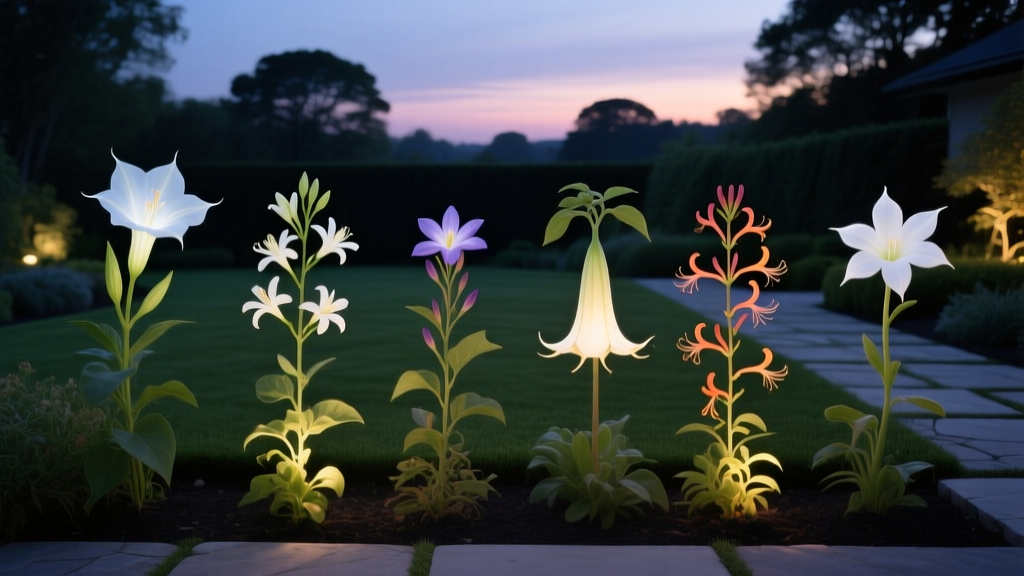
What Flower Only Blooms at Night? 6 Nocturnal Species Explained
The Evolutionary Purpose of Nocturnal Blooms
When homeowners ask, "what flower only blooms at night?" they are usually looking to cultivate a moon garden or attract specialized pollinators. Nocturnal blooming, scientifically known as nyctinasty, is not a random quirk of nature; it is a highly refined evolutionary adaptation. Plants that open their petals exclusively after dusk do so to avoid the desiccating heat of daytime sun and to target specific nighttime pollinators, primarily sphingidae (hawk moths) and nectar-feeding bats.
According to the National Wildlife Federation, moth pollinators are responsible for fertilizing a vast percentage of wild flora, yet they are entirely ignored by standard daytime garden designs. By understanding the photoperiodic triggers of these plants, gardeners can create a vibrant, fragrant landscape that activates exactly when the sun goes down.
Identification Matrix: 6 Flowers That Only Bloom at Night
To answer the question of what flower only blooms at night, we must look beyond a single species. There are dozens of nocturnal bloomers, but these six are the most reliable for residential landscaping across various USDA hardiness zones.
| Common Name | Botanical Name | Bloom Window | USDA Zones | Fragrance Profile |
|---|---|---|---|---|
| Moonflower | Ipomoea alba | Dusk to Dawn | 9-11 (Annual elsewhere) | Sweet, lemony, intense |
| Evening Primrose | Oenothera biennis | Late afternoon to midnight | 4-9 | Mild, sweet citrus |
| Night-Blooming Jasmine | Cestrum nocturnum | Nighttime only | 8-11 | Heavy, overpowering musk |
| Queen of the Night | Epiphyllum oxypetalum | One night per year (12 hrs) | 10-12 (Indoor elsewhere) | Vanilla and melon |
| Chocolate Daisy | Berlandiera lyrata | Night to early morning | 5-9 | Rich cocoa and vanilla |
| Angel's Trumpet | Brugmansia suaveolens | Dusk onward | 9-11 | Spicy, sweet citrus |
Deep-Dive Profiles: Cultivating the Top Night Bloomers
Moonflower (Ipomoea alba)
The quintessential answer to "what flower only blooms at night" is the Moonflower. This vigorous, twining vine can reach 10 to 15 feet in a single season, producing massive 6-inch white blossoms that unfurl in a matter of minutes at twilight. The Missouri Botanical Garden notes that Ipomoea alba requires a sturdy trellis and full sun to produce maximum buds.
Expert Tip: Seed Scarification Protocol
Moonflower seeds have an impermeable outer coat. To achieve a 90%+ germination rate, you must scarify them. Use a metal nail file to gently nick the seed coat until the white interior is barely visible, then soak the seeds in water heated to exactly 120°F (49°C) for 24 hours before sowing indoors 6 weeks before your last frost date.
Moonflower seeds have an impermeable outer coat. To achieve a 90%+ germination rate, you must scarify them. Use a metal nail file to gently nick the seed coat until the white interior is barely visible, then soak the seeds in water heated to exactly 120°F (49°C) for 24 hours before sowing indoors 6 weeks before your last frost date.
Queen of the Night (Epiphyllum oxypetalum)
Unlike the annual Moonflower, this epiphytic cactus is famous for its extreme rarity. It blooms only once a year, usually in late spring or early summer. The 12-inch white flower opens at dusk and completely wilts by dawn. Cultivating it requires a well-draining orchid bark mix (60% bark, 30% perlite, 10% peat) and a strict winter dormancy period where temperatures drop to 50°F (10°C) and watering is halted entirely for 8 weeks to trigger bud set.
Evening Primrose (Oenothera biennis)
This biennial wildflower forms a basal rosette in its first year and sends up a 4-foot flowering spike in its second. The yellow petals open visibly to the naked eye as the sun sets. It possesses a deep, aggressive taproot, making it highly drought-tolerant but nearly impossible to transplant once established. Sow seeds directly on the soil surface in autumn, as they require cold stratification and light to germinate.
Designing a Moon Garden: Hardscape and Soil Preparation
Identifying what flower only blooms at night is only the first step; designing the environment to maximize their visual and olfactory impact is where true expertise lies. A successful moon garden relies on contrast and reflection.
- Reflective Hardscaping: Use white marble chips, crushed oyster shell, or pale quartz gravel for pathways. These materials reflect ambient moonlight, illuminating the garden without the need for harsh electrical lighting.
- Soil Amendment: Most nocturnal bloomers prefer a slightly acidic to neutral pH (6.2 to 6.8). Amend heavy clay soils with 3 inches of coarse pine bark and expanded shale to ensure the rapid drainage that species like Epiphyllum and Berlandiera demand.
- Fertilizer Ratios: Avoid high-nitrogen formulas (like 20-10-10), which will produce massive foliage but zero blooms. Use a 5-10-10 or 2-8-4 bloom-booster fertilizer applied at the base of the plant every 3 weeks during the active growing season.
⚠️ Toxicity Warning: Angel's Trumpet (Brugmansia) and Night-Blooming Jasmine (Cestrum nocturnum) contain high levels of tropane alkaloids. All parts of these plants are highly toxic if ingested. Do not plant them in areas accessible to toddlers or pets that chew on foliage.
Troubleshooting: Why Your Night Flowers Refuse to Open
Even when you select the right species, environmental factors can disrupt the blooming cycle. If your nocturnal plants remain tightly closed, investigate these two primary failure modes:
1. Photoperiod Disruption via Light Pollution
Nocturnal flowers rely on phytochrome receptors to measure the length of the dark period. Modern LED streetlights and high-lumen security floodlights can trick the plant into believing it is still daytime. If your garden is subjected to ambient light levels exceeding 10 lux after dark, bud abortion is highly likely. Shield your garden from direct artificial light sources using dense evergreen hedges or physical trellis screens.
2. Nutrient Imbalances and Taproot Constriction
Species like Evening Primrose will refuse to bloom if their taproot hits compacted subsoil or the bottom of a container. If growing in raised beds, ensure the bed depth is at least 24 inches. Furthermore, excess phosphorus in the soil can lock out zinc and iron, leading to chlorosis and bud drop. Conduct a soil test before applying any bloom-boosting fertilizers.
"The magic of a moon garden isn't just in the flowers themselves, but in the precise calibration of darkness, soil structure, and pollinator pathways that allow them to thrive."
By selecting the right species and meticulously managing their light and soil environments, you can transform your landscape into a nocturnal sanctuary that answers the call of the night shift pollinators.

