
Gardening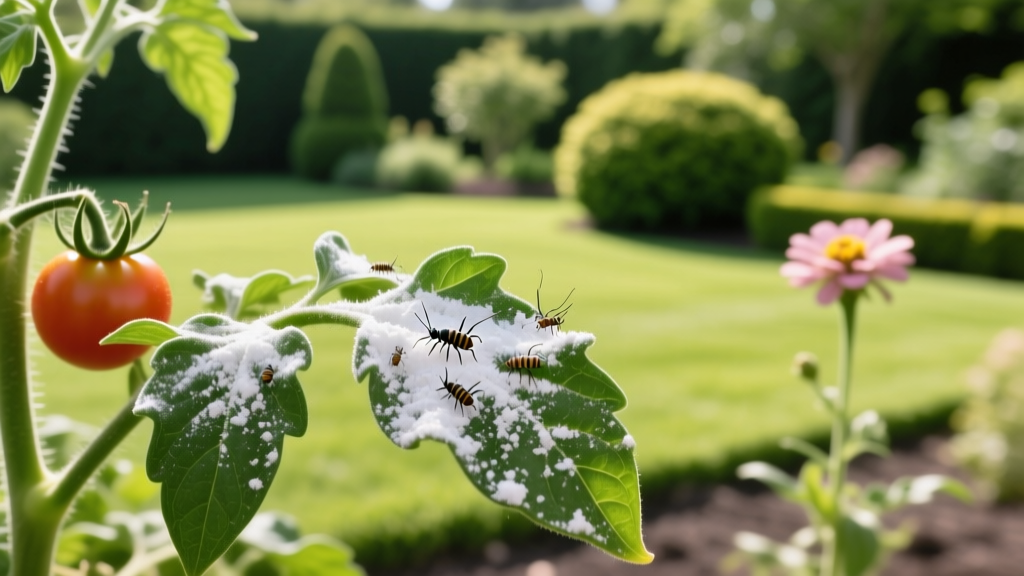
How to Use Diatomaceous Earth for Plants and Pest Control
The Beginner’s Guide to Using Diatomaceous Earth for Plants
For home gardeners seeking an organic, non-toxic alternative to synthetic chemical pesticides, diatomaceous earth (DE) has become a staple in the potting shed. Derived from the fossilized remains of microscopic aquatic organisms called diatoms, this chalky white powder is highly effective at managing a wide variety of soft-bodied and hard-shelled garden pests. However, simply sprinkling it around your garden beds without a strategy often leads to frustration and wasted product. Understanding the mechanical action of DE, the critical differences between product grades, and the precise application techniques required for lasting efficacy will transform this simple powder into one of your most reliable pest control tools.
How DE Works: A Microscopic Battle
Unlike botanical insecticides such as neem oil or pyrethrin, which disrupt an insect's nervous system or hormonal balance, diatomaceous earth operates entirely through mechanical action. Under an electron microscope, DE particles look like shards of broken glass or tiny, porous cylinders with razor-sharp edges. When an insect with an exoskeleton—such as an aphid, beetle, or slug—crawls across the powder, these microscopic shards scratch and compromise the waxy outer layer of their cuticle.
Once this protective lipid barrier is breached, the highly porous silica structure of the diatom fossils acts like a molecular sponge. It rapidly absorbs the fats and oils from the insect's exoskeleton, leading to fatal desiccation (dehydration). Because this is a physical mechanism rather than a chemical one, pests cannot develop biological resistance to DE, making it an invaluable tool for long-term integrated pest management (IPM).
⚠️ CRITICAL SAFETY WARNING: Never Use Pool-Grade DE
Always purchase Food-Grade Diatomaceous Earth (often labeled as OMRI-listed for organic use). Pool-grade or filter-grade DE is calcined (heated to extreme temperatures), which converts the naturally occurring amorphous silica into crystalline silica. Inhaling crystalline silica is a severe respiratory hazard and can cause silicosis. Food-grade DE contains less than 1% crystalline silica and is safe for use around edible plants, though you should still wear an N95 mask during application to avoid inhaling fine dust particles.
Target Pests: What DE Actually Controls
While DE is highly effective against many pests, it is not a universal cure-all. It works best on insects that crawl along the soil surface or plant stems, and it requires direct contact. Below is a breakdown of how effective DE is against common garden invaders.
| Target Pest | Efficacy | Best Application Method |
|---|---|---|
| Slugs & Snails | High | Create a continuous 1-inch wide barrier ring around the base of hostas, lettuces, and young seedlings. |
| Fungus Gnats | High | Apply a 1/8-inch dry dusting to the top 1 inch of potting soil to target emerging adults and surface-dwelling larvae. |
| Aphids & Mites | Medium | Use a bulb duster to lightly coat the undersides of leaves. Avoid heavy clumping, which can block plant stomata. |
| Japanese Beetles | Low-Medium | Dust directly on beetles early in the morning when they are sluggish. They often fly away before desiccation occurs. |
| Earthworms | N/A (Avoid) | Do not incorporate heavily into soil. Earthworms secrete a protective mucus that mostly shields them, but heavy applications can deter them. |
For deeper insights into the environmental safety and mechanical action of silica-based dusts, the National Pesticide Information Research Center (NPIC) provides comprehensive toxicological profiles confirming its low toxicity to mammals and birds when used as directed.
Step-by-Step Application Techniques
Applying DE requires precision. A common beginner mistake is dumping handfuls of the powder, which creates thick clumps that insects simply walk around. The goal is a barely visible, microscopic film of dust.
Method 1: Dry Dusting (For Foliage and Barriers)
- Equip Yourself: Put on an N95 particulate respirator mask, safety goggles, and gardening gloves. While food-grade DE is non-toxic if ingested, inhaling any fine particulate matter irritates the lungs, as noted by occupational safety guidelines from the CDC.
- Choose the Right Tool: Purchase a dedicated bulb duster or a bellows hand duster (typically $10 to $18 at garden centers). These tools puff a fine, even mist rather than dumping heavy clumps.
- Wait for Dry Conditions: Apply only when plant foliage is completely dry. Morning dew or recent watering will cause the DE to clump and lose its abrasive properties.
- Target the Undersides: Gently lift leaves and puff the DE onto the undersides where aphids, whiteflies, and spider mites congregate.
- Create Soil Barriers: For crawling pests like earwigs and slugs, squeeze a continuous, unbroken line of DE directly onto the dry soil surface around the plant's main stem.
Method 2: The Wet Slurry Spray (For Hard-to-Reach Areas)
When dealing with dense canopies or windy conditions where dry dusting is impractical, mixing DE into a liquid slurry is a highly effective alternative. The water acts as a carrier; once it evaporates, it leaves behind a perfectly even, cracked coating of DE that adheres stubbornly to the leaves.
- The Ratio: Mix 1/4 cup of food-grade DE into 1 gallon of water. (For smaller pump sprayers, use 1 tablespoon per quart).
- Agitate Constantly: DE does not dissolve in water; it remains in suspension. You must shake your sprayer vigorously every 2 to 3 minutes to prevent the silica from settling at the bottom of the tank.
- Spray and Dry: Coat the target plants thoroughly. The DE will be completely inactive while wet, but will become lethal to pests the moment the water evaporates and the chalky residue forms.
Method 3: Soil Drench for Fungus Gnats
If your houseplants or greenhouse seedlings are overrun by fungus gnats, surface dusting isn't enough to kill the larvae living in the topsoil. Mix 2 tablespoons of DE per quart of water and use it to water your plants from the top. As the water percolates down, it carries the sharp silica particles into the upper soil layers, shredding the soft bodies of the gnat larvae and disrupting their life cycle.
The Moisture Problem: When to Reapply
The single greatest limitation of diatomaceous earth for plants is its vulnerability to moisture. When DE gets wet—whether from rain, overhead irrigation, or heavy morning dew—the microscopic pores fill with water, and the particles lose their ability to absorb lipids from insect exoskeletons. Furthermore, wet DE clumps together, eliminating the sharp, abrasive edges required for mechanical damage.
💡 Pro Tip: The Reapplication Schedule
You must reapply dry DE after every rainfall or overhead watering session. If you live in a region with high ambient humidity (above 65% relative humidity consistently), DE will lose efficacy within 48 to 72 hours even without direct rain. For high-humidity climates, rely on the wet slurry method, which adheres better to leaf cuticles, or switch to alternative organic controls like insecticidal soaps or Bt (Bacillus thuringiensis) for caterpillars.
Common Beginner Mistakes to Avoid
- Applying in the Wind: A light breeze will carry your expensive DE away from the target plants and into your face. Always apply on still mornings or evenings.
- Harming Pollinators: DE is non-selective. If a honeybee or native solitary bee lands on a heavily dusted flower, the abrasive particles can damage their wings and exoskeletons. Never apply DE to open blossoms. Apply at dusk when pollinators have returned to their hives, focusing on the lower stems and soil.
- Using it as a Soil Amendment: Some beginners mix large quantities of DE into their potting soil to 'improve drainage.' This is ineffective and potentially harmful. DE holds up to 1.5 times its weight in water, which can lead to soil compaction and waterlogged roots when used in high volumes indoors. Stick to perlite or pumice for soil aeration.
- Ignoring the Expiration of Open Bags: While DE itself never 'expires,' an open bag stored in a damp garage will absorb ambient moisture and become useless. Store your DE in an airtight, sealed bucket with a desiccant packet to keep it bone-dry between seasons.
Frequently Asked Questions
Is diatomaceous earth safe for pets and wildlife?
Yes, food-grade DE is generally recognized as safe (GRAS) by the FDA and is commonly used as an anti-caking agent in livestock feed and grain storage. Dogs, cats, and birds can safely walk across treated soil. However, avoid creating large, concentrated piles where pets might snuffle and inhale the concentrated dust.
Can I use DE on my vegetable garden right before harvest?
Absolutely. Because it contains no synthetic chemicals and leaves no toxic residue, you can apply food-grade DE to tomatoes, peppers, and leafy greens right up to the day of harvest. Simply wash the produce thoroughly under running water to remove the silica dust before eating or cooking.
Why isn't the DE killing my squash bugs?
Adult squash bugs and stink bugs have highly hardened, thick exoskeletons and often possess a protective waxy bloom that makes them highly resistant to the desiccating effects of DE. For these larger, armored pests, you will need to rely on manual removal, row covers, or targeted organic sprays like spinosad.

