
Gardening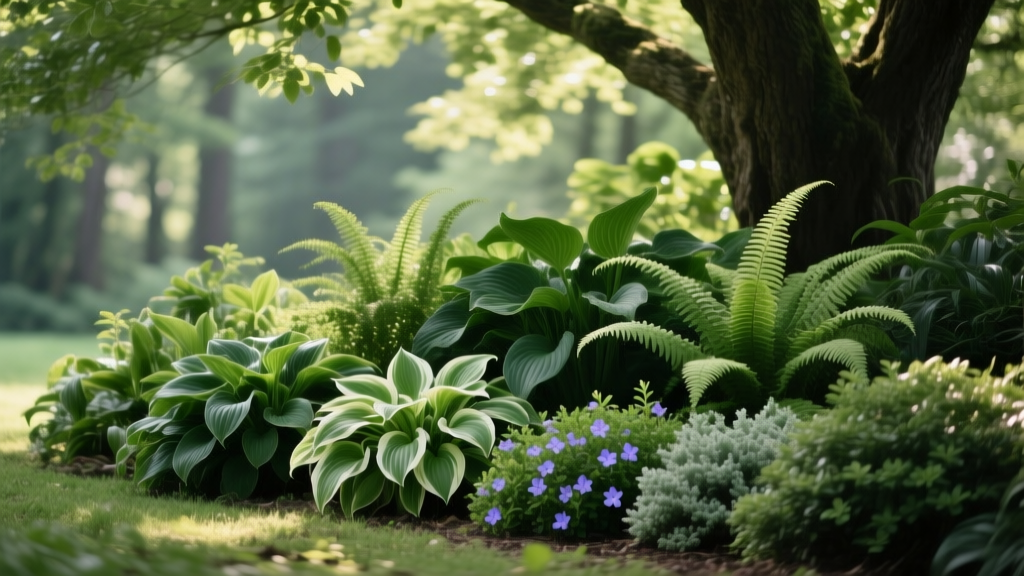
Top Full Shade Ground Cover Solutions for Bare Under-Tree Soil
Establishing turfgrass under mature tree canopies is a losing battle. When an area receives less than two hours of direct sunlight per day, it qualifies as "full shade," a condition that starves standard lawn grasses of the photosynthetic energy required to survive. Instead of fighting the microclimate with annual ryegrass or expensive shade-tolerant fescues that inevitably thin out, the most effective site-condition solution is transitioning to a dedicated full shade ground cover.
Deep shade zones present a triad of horticultural challenges: severe light deprivation, intense root competition for moisture, and altered soil chemistry from decaying leaf litter. Solving this requires selecting specific understory cultivars engineered for low-light persistence and deploying a planting strategy that protects the established tree's root architecture.
The Under-Tree Microclimate Challenge
Before selecting plants, you must understand the physical constraints of the planting zone. Mature trees, particularly maples, beeches, and spruces, possess dense, shallow feeder root systems that occupy the top 6 to 12 inches of soil. These roots aggressively monopolize water and nutrients. Furthermore, the tree canopy creates a "rain shadow," meaning the soil directly beneath the branches often remains bone dry even during heavy summer downpours.
Critical Warning: Never use a rototiller or deep-digging spade to prepare soil under an existing tree. Severing the structural and feeder roots within the tree's drip line compromises its stability and invites fatal fungal pathogens like Armillaria root rot. According to the University of Minnesota Extension, soil preparation under trees must be limited to shallow pocket planting and light top-dressing.
Top 5 Proven Full Shade Ground Cover Cultivars
Not all "shade plants" survive full shade. Many popular nursery tags claim shade tolerance but actually require partial shade (3-6 hours of sun). The following five cultivars are verified performers in deep, full-shade environments (less than 2 hours of direct sun).
| Botanical Name & Cultivar | Common Name | Mature Height | Spread Rate (100 sq ft) | Avg Cost (50-plant flat) |
|---|---|---|---|---|
| Pachysandra procumbens | Allegheny Spurge | 6 - 10 inches | 2-3 seasons | $95 - $120 |
| Galium odoratum | Sweet Woodruff | 4 - 6 inches | 1-2 seasons | $75 - $90 |
| Asarum canadense | Wild Ginger | 4 - 6 inches | 3-4 seasons | $110 - $140 |
| Liriope muscari 'Variegata' | Variegated Lilyturf | 10 - 14 inches | 2-3 seasons (clumping) | $80 - $105 |
| Tiarella cordifolia 'Running Tapestry' | Foamflower | 8 - 12 inches | 2 seasons | $100 - $130 |
Expert Selection Note: Avoid Vinca minor (Periwinkle) and Hedera helix (English Ivy) in full shade. While they survive deep shade, they are highly invasive in many North American hardiness zones and will aggressively climb and girdle nearby tree trunks, suffocating the bark.
Step-by-Step Planting Protocol for Deep Shade Zones
Because you cannot amend the entire soil profile under a tree, you must create localized micro-environments for your ground cover plugs. Follow this exact sequence to ensure establishment without harming the host tree.
- Clear the Leaf Litter: Rake away accumulated dead leaves and debris to expose the soil surface. Do not remove the natural organic top layer, just the physical barrier of whole leaves.
- Map the Root Flare: Identify the tree's root flare (where the trunk widens at the base). Keep all ground cover plantings at least 12 to 18 inches away from the trunk to prevent bark rot and rodent habitation.
- Dig Shallow Pockets: Using a narrow hand trowel or a bulb planter, dig individual holes just large enough to accommodate the root ball of your 2.5-inch or 4-inch plugs. If you hit a root thicker than a pencil, abandon that hole, fill it back in, and move six inches away.
- Pocket Amendment: Place a tablespoon of slow-release, low-nitrogen organic fertilizer (like a 4-3-3 granular blend) and a handful of compost into the bottom of each hole before setting the plant.
- Space for Economics: For rapid coverage, space 4-inch pots on 8-inch centers. To cut initial costs by 50%, space them on 12-inch centers and accept that it will take an extra growing season for the canopy to knit together.
Troubleshooting Common Full Shade Failures
Even with the right cultivars, full shade environments present unique pathological threats. Use this diagnostic framework to correct failing ground cover beds.
Symptom: Leaves turning yellow with brown, crispy margins
- Cause: Moisture competition. The tree's feeder roots are outcompeting the young ground cover for water.
- Fix: Install a temporary drip irrigation line weaving through the bed. Water deeply twice a week for the first 14 weeks. The Morton Arboretum emphasizes that new understory plantings require supplemental watering until their root mass can independently access deeper soil moisture.
Symptom: Foliage covered in a white, powdery film
- Cause: Powdery mildew, exacerbated by the stagnant, humid air common in dense shade canopies.
- Fix: Thin out 15% of the ground cover stems to increase airflow at the soil line. Apply a preventative organic fungicide containing Bacillus subtilis in early spring before the humidity spikes.
Symptom: Stems severed at the soil line; leaves vanishing overnight
- Cause: Slugs and snails, which thrive in the cool, damp microclimate of full shade.
- Fix: Avoid metaldehyde baits, which are toxic to local wildlife. Instead, apply an iron phosphate-based slug bait (such as Sluggo) at a rate of 1 lb per 1,000 square feet, scattering it directly around the base of the ground cover crowns.
First-Year Establishment Costs and Maintenance
Transitioning a 200-square-foot bare patch under a mature oak to a thriving Pachysandra procumbens bed requires a specific budget and maintenance timeline. Expect to spend between $350 and $450 on plant material (four 50-plant flats at 12-inch spacing). Add $40 for a cubic yard of double-shredded hardwood mulch to retain moisture between the young plants during the first summer.
Maintenance in year one is strictly focused on irrigation and weed suppression. Because full shade ground covers take 18 to 24 months to form a dense, weed-choking mat, you must hand-pull invasive weeds like clearweed (Pilea pumila) and garlic mustard every three weeks. Once the ground cover canopy closes in year three, maintenance drops to a single annual application of a balanced granular fertilizer in early April and a light top-dressing of compost to counteract the tree's nutrient extraction.
By treating deep shade not as a dead zone but as a specialized horticultural environment, you can replace unsightly mud and moss with a resilient, low-maintenance botanical carpet that protects the soil and enhances the landscape architecture.

