
Gardening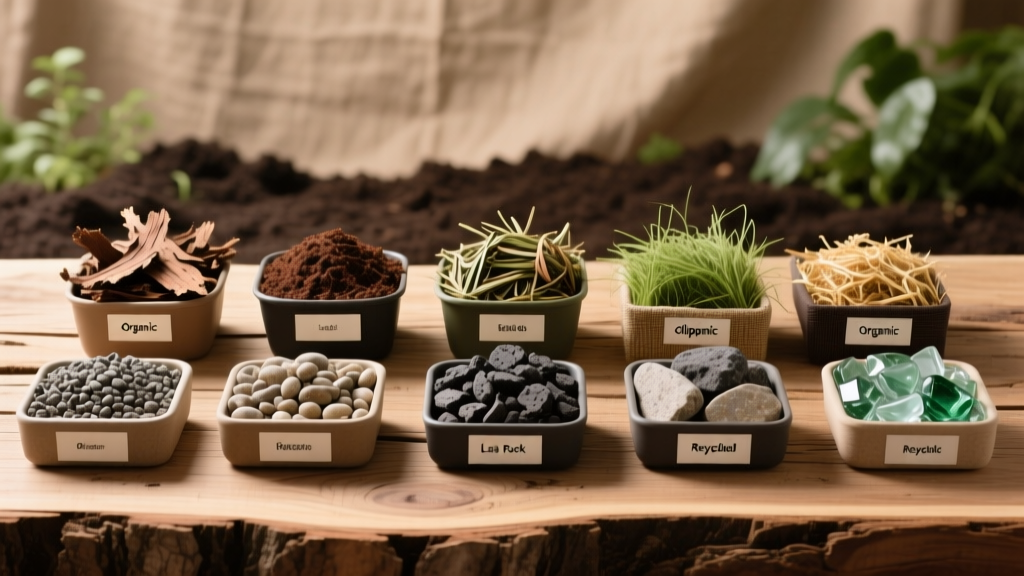
12 Types of Mulch for Garden Beds: Organic vs Inorganic Guide
The Core Divide: Organic vs. Inorganic Mulch
Choosing the right mulch is not merely an aesthetic decision; it fundamentally alters soil chemistry, moisture retention, and root thermodynamics. According to Penn State Extension, mulch moderates soil temperature by up to 10°F in the summer and winter, but the material you select dictates whether your soil gains organic matter or simply serves as a physical weed barrier.
The primary decision framework rests on your end goal: Organic mulches (wood, straw, leaves) decompose, feeding soil microbes and improving tilth, but require replenishment every 1 to 3 years. Inorganic mulches (stone, fabric, rubber) offer permanent weed suppression and drainage but contribute zero nutritional value and can alter soil pH.
7 Organic Types of Mulch: Breakdown Rates and Soil Impact
Organic mulches are carbon-rich materials that feed the soil food web as they break down. The critical metric for organic mulch is the Carbon-to-Nitrogen (C:N) ratio. Materials with a C:N ratio above 30:1 can temporarily tie up soil nitrogen if mixed into the earth, though this effect is negligible when left on the surface.
| Mulch Type | Bulk Cost (per yd³) | Breakdown Rate | Best Application | C:N Ratio |
|---|---|---|---|---|
| Shredded Hardwood Bark | $30 - $45 | 1 - 2 Years | Perennial beds, shrub borders | ~150:1 |
| Pine Straw (Longleaf) | $45 - $65 | 2 - 3 Years | Acid-loving plants, slopes | ~80:1 |
| Cedar Mulch | $50 - $75 | 3 - 4 Years | Pathways, termite-prone zones | ~200:1 |
| Arborist Wood Chips | $0 - $15 | 2 - 4 Years | Tree rings, rustic pathways | ~400:1 |
| Leaf Mold (Composted) | Free (DIY) | 6 - 12 Months | Woodland gardens, seed beds | ~20:1 |
| Compost (Top-Dress) | $30 - $50 | N/A (Integrates) | Vegetable gardens, annuals | ~15:1 |
| Cypress Mulch | $40 - $55 | 2 - 3 Years | General landscaping | ~100:1 |
The Nitrogen Tie-Up Myth
A common misconception is that wood mulch robs garden soil of nitrogen. Research from the University of Wisconsin-Madison Extension confirms that nitrogen immobilization only occurs at the exact interface where the mulch touches the soil. Because mulch is applied on the surface, the carbon does not mix into the root zone. You only risk nitrogen deficiency if you rototill uncomposted wood chips directly into your planting beds.
Cedar and Cypress: The Decay-Resistant Options
Cedar mulch contains thujaplicin, a natural tropolone compound that acts as a potent fungicide and insect repellent. This makes cedar highly resistant to decay, allowing it to last up to four years without replenishment. However, avoid using fresh cedar around newly seeded beds, as the same allelopathic compounds can inhibit seed germination.
5 Inorganic Types of Mulch: Permanent Hardscape Solutions
Inorganic mulches are best suited for xeriscapes, drainage swales, and high-traffic utility areas. They do not harbor fungal pathogens or slugs, but they absorb and radiate heat, which can stress shallow-rooted plants.
- Pea Gravel (3/8" minus): Costs $40–$60 per ton. Excellent for French drains and dry creek beds. Because the stones are rounded, they shift underfoot and require steel or aluminum edging to contain them.
- River Rock (1" to 3"): Costs $150–$250 per ton. Heavy and stable. Requires a base layer of woven geotextile fabric to prevent the stones from sinking into the subsoil over time.
- Lava Rock (3/4"): Costs $120–$180 per ton. Highly porous and lightweight. Warning: Lava rock is naturally alkaline (pH 8.0+) and will slowly raise the pH of adjacent soils, making it unsuitable for azaleas, blueberries, or hydrangeas.
- Woven Landscape Fabric: Costs $0.50–$1.50 per sq. ft. Made from UV-stabilized polypropylene. Always choose woven (permeable) over non-woven (plastic sheeting), which suffocates soil microbes and causes water runoff.
- Rubber Mulch: Costs $10–$12 per 0.8 cu. ft. bag. Made from recycled tires.
⚠️ Toxicity Warning: Rubber Mulch
Avoid using rubber mulch in vegetable gardens, pollinator beds, or near water features. As the rubber degrades under UV exposure, it leaches zinc, polyaromatic hydrocarbons (PAHs), and heavy metals into the soil. It is strictly recommended for commercial playground fall-zones, not horticultural applications.
Avoid using rubber mulch in vegetable gardens, pollinator beds, or near water features. As the rubber degrades under UV exposure, it leaches zinc, polyaromatic hydrocarbons (PAHs), and heavy metals into the soil. It is strictly recommended for commercial playground fall-zones, not horticultural applications.
The 3-Inch Rule: Calculating Volume and Avoiding Volcano Mulching
The most frequent cause of mulch-related tree death is 'volcano mulching'—piling mulch high against the trunk flare. This traps moisture against the cambium layer, inviting Phytophthora root rot and encouraging adventitious girdling roots that eventually strangle the tree.
💡 Pro Application Formula
1. Keep mulch exactly 3 inches deep over the root zone.
2. Maintain a strict 3-inch mulch-free ring around the base of all tree trunks and woody shrub stems.
3. Calculate volume using this formula: (Length in ft × Width in ft × Depth in inches) ÷ 324 = Cubic Yards needed.
Example: A 10x10 bed at 3 inches deep = (100 × 3) ÷ 324 = 0.92 cubic yards.
1. Keep mulch exactly 3 inches deep over the root zone.
2. Maintain a strict 3-inch mulch-free ring around the base of all tree trunks and woody shrub stems.
3. Calculate volume using this formula: (Length in ft × Width in ft × Depth in inches) ÷ 324 = Cubic Yards needed.
Example: A 10x10 bed at 3 inches deep = (100 × 3) ÷ 324 = 0.92 cubic yards.
Bulk vs. Bagged: 2026 Pricing and Logistics
Understanding the economics of mulch purchasing prevents overspending on convenience. Bagged mulch is priced for small touch-ups, while bulk delivery is mandatory for whole-yard renovations.
| Purchasing Method | Average Cost | Coverage (at 3" depth) | Best For |
|---|---|---|---|
| Bagged (2 cu. ft.) | $4.00 - $6.50 / bag | 8 sq. ft. per bag | Single tree rings, small planters |
| Big Bag / Super Sack (1 cu. yd.) | $60.00 - $90.00 / sack | 108 sq. ft. per sack | Mid-sized beds, no truck access |
| Bulk Delivery (per yd³) | $30.00 - $45.00 / yd³ + delivery | 108 sq. ft. per yd³ | Whole-yard coverage, new builds |
Note: Bulk delivery fees in 2026 average $75 to $150 depending on your distance from the landscape supply yard. Always order 10% more bulk mulch than your math dictates to account for settling and uneven terrain.
Frequently Asked Questions
Does dyed black or red mulch harm plants?
Modern commercial mulch dyes are typically carbon black (black) or iron oxide (red), both of which are non-toxic to plants and soil life. However, dyed mulches are often made from recycled pallet wood or construction debris, which may contain unknown chemical treatments. For edible gardens, always choose natural, undyed hardwood or compost.
How do I stop artillery fungus from growing on my hardwood mulch?
Artillery fungus (Sphaerobolus stellatus) thrives in moist, shaded hardwood bark mulch and shoots tar-like spores onto siding and cars. To prevent this, switch to cedar mulch, pine straw, or large-pine bark nuggets in heavily shaded, damp areas, as the fungus cannot easily break down the decay-resistant compounds in these materials.
Should I put landscape fabric under organic wood mulch?
No. Placing woven fabric under organic mulch defeats the primary purpose of organic mulching. As the wood breaks down, the fabric blocks the resulting humus from integrating into the soil below. Furthermore, weed seeds that blow onto the top of the fabric will root into the decomposing mulch layer, making them incredibly difficult to pull. Only use landscape fabric beneath inorganic stone or gravel mulches.

