Gardening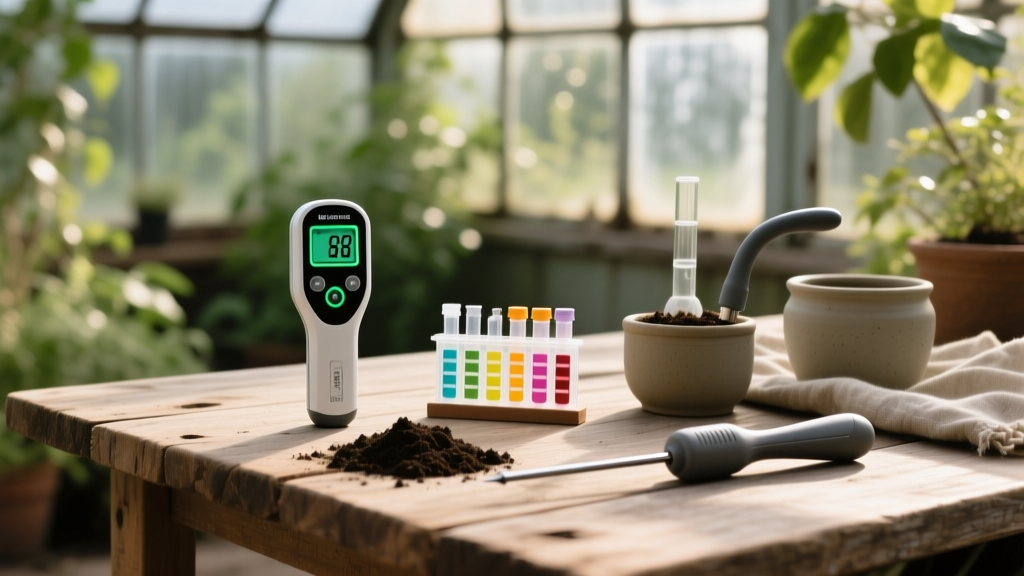
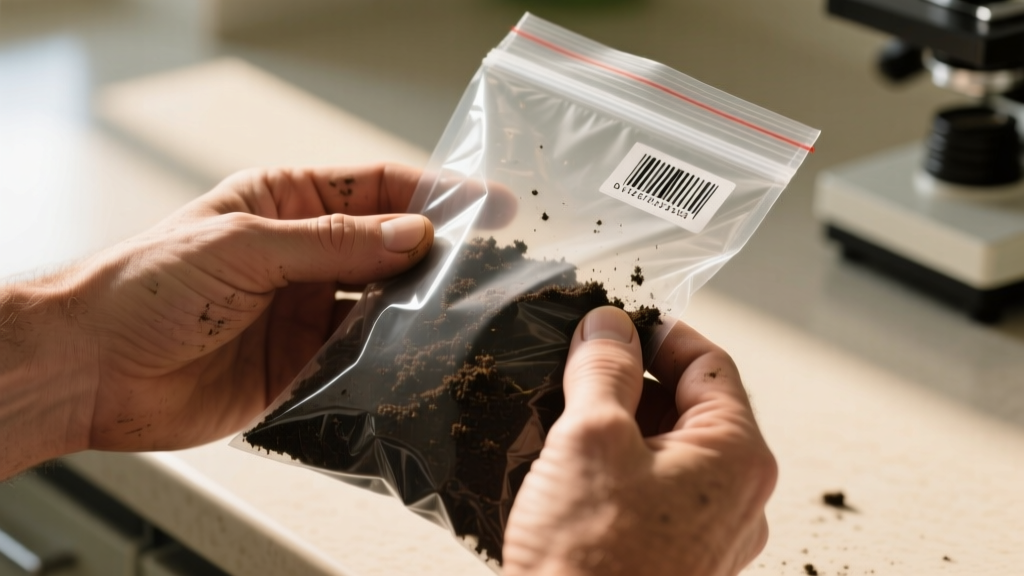
Best Garden Soil Testing Kits and Tools for Home Growers
Tool testing for gardening primarily involves evaluating soil conditions using digital probes, chemical reagent kits, or professional laboratory services to measure pH, moisture, and NPK (Nitrogen, Phosphorus, Potassium) levels. For home gardeners, urban farmers, and landscaping enthusiasts seeking to maximize crop yields, selecting the right diagnostic equipment ensures accurate nutrient management. This guide evaluates the accuracy, cost, and application of modern soil testing equipment available in 2026.
Key Takeaways:
- Laboratory tests offer 99% accuracy for NPK levels but cost $20 to $35 and take 7 to 14 days.
- Digital 3-in-1 meters provide instant pH and moisture readings with a ±0.2 pH margin of error.
- Chemical reagent kits cost $10 to $15 and deliver results in 60 seconds, ideal for quick nitrogen checks.
Understanding Garden Soil Testing Tools
Soil testing tools are specialized diagnostic instruments designed to accurately measure the physical and chemical properties of earth, including acidity, alkalinity, moisture retention, and vital macronutrient concentrations, enabling precise agricultural and landscaping amendments for optimal plant health and crop yields in diverse environments.
Digital Soil Meters vs. Chemical Reagent Kits
Digital meters use galvanic sensors to measure hydrogen ion activity (pH) and electrical resistance (moisture). Chemical kits rely on colorimetric analysis, where reagents react with soil extracts to indicate nutrient levels via color charts. According to the Penn State Extension, digital meters are superior for continuous moisture monitoring, while chemical kits provide broader NPK snapshots.
Top Tool Testing Methods for Home Gardens
Laboratory Mail-In Services
Sending samples to facilities like the University of Massachusetts Amherst Soil and Plant Nutrient Testing Laboratory provides comprehensive micronutrient analysis. These tests cost approximately $22 per sample and require 10 to 14 business days for processing. The evidence-based reports include exact lime and fertilizer prescriptions tailored to specific plant species.
At-Home Chemical Kits
Products like the Luster Leaf Rapitest Soil Test Kit utilize capsule powders and distilled water to test nitrogen, phosphorus, potassium, and pH. Users observe color changes within 60 seconds. These kits maintain an 85% accuracy rate for general home garden applications when stored below 75°F (24°C) to prevent reagent degradation.
Digital Probe Meters
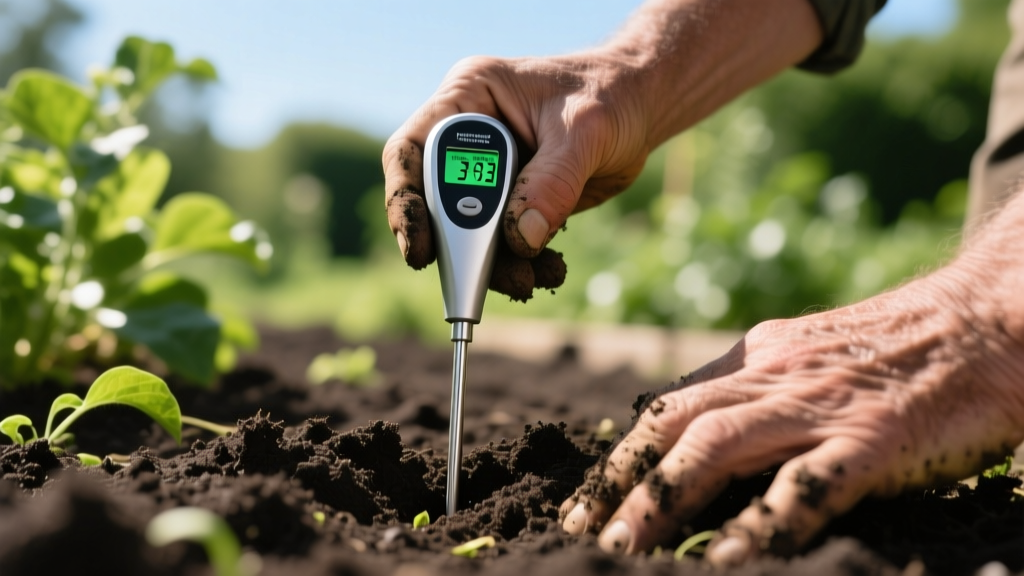
Advanced 4-in-1 probes measure pH, moisture, light intensity, and soil temperature. The sensor depth typically reaches 6.5 inches (16.5 cm), capturing data from the active root zone. Regular cleaning with distilled water prevents cross-contamination between garden beds.
Garden Soil Tool Comparison Matrix
| Tool Type | Average Cost | Accuracy Margin | Time to Result | Best Use Case |
|---|---|---|---|---|
| Lab Mail-In Service | $20 - $35 | ±1% (High) | 7 - 14 days | Baseline annual testing, precise fertilizer prescriptions |
| Chemical Reagent Kit | $10 - $15 | ±15% (Moderate) | 60 seconds | Quick NPK checks, mid-season nutrient troubleshooting |
| Digital Probe Meter | $15 - $40 | ±0.2 pH (High for pH) | Instant (10s) | Daily moisture monitoring, pH tracking, container gardens |
Calibrating and Maintaining Your Testing Tools
Pro Tip: Always test your soil at the same time of day and under similar moisture conditions to establish a reliable baseline for your garden.
Step-by-Step Calibration Checklist
- Wipe the digital probe sensor with a soft, lint-free cloth dampened with distilled water.
- Immerse the probe in a 7.0 pH buffer solution and adjust the calibration dial until the display reads exactly 7.0.
- Rinse the probe with distilled water and repeat the process using a 4.0 pH buffer solution.
- Store the meter with the protective cap containing a damp sponge to preserve sensor hydration.
Frequently Asked Questions
How often should I perform tool testing for gardening?
Test soil in early spring before planting to determine baseline amendments, and again in late autumn after harvest to prepare beds for winter dormancy. Container gardens require testing every 4 to 6 weeks due to rapid nutrient leaching.
What is the ideal pH range for most vegetable gardens?
Most common vegetables, including tomatoes, peppers, and leafy greens, thrive in a slightly acidic pH range of 6.2 to 6.8. This range maximizes the bioavailability of essential micronutrients like iron and manganese.
Can I reuse chemical reagent capsules?
No, chemical reagent capsules are strictly single-use. Exposure to ambient humidity degrades the active compounds immediately upon opening, which will yield false readings if reused.
Conclusion
Tool testing for gardening transitions from guesswork to precision science when you match the right instrument to your specific horticultural goals. While digital meters excel at daily moisture tracking, laboratory analysis remains the gold standard for comprehensive nutrient profiling. Collect five core soil samples from your primary garden bed today, mix them in a clean bucket, and run a baseline pH test using your preferred digital meter or chemical kit to begin optimizing your soil immediately.