
Gardening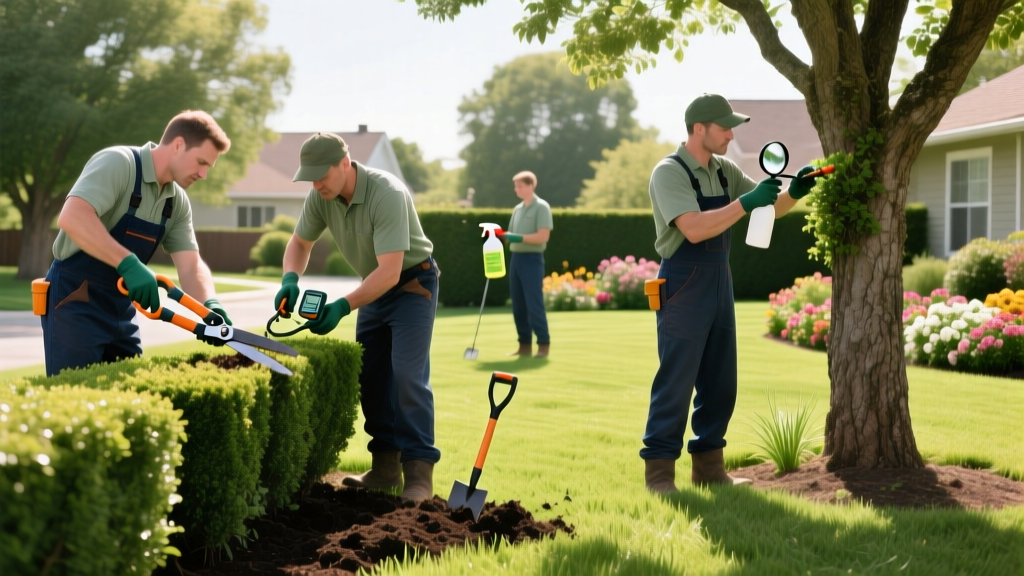
How Much Does a Gardener Cost in 2026? Full Breakdown
The True Cost of Hiring a Gardener in 2026
When homeowners ask how much a gardener costs, the answer depends entirely on the scope of work, regional labor rates, and the expertise level required. In 2026, the national average for a standard maintenance gardener ranges from $50 to $75 per hour, while specialized horticulturists and master gardeners charge between $90 and $150 per hour. According to industry data compiled by Forbes Home Improvement, a typical monthly retainer for weekly garden maintenance on a quarter-acre lot averages $200 to $350.
However, quoting a simple hourly rate ignores the nuance of landscape management. A gardener who merely mows and blows is fundamentally different from one who understands soil pH balancing, integrated pest management (IPM), and structural pruning for fruit trees. This guide dissects the exact pricing matrices, hidden surcharges, and task-specific costs you need to build an accurate landscaping budget.
Pricing Models: Hourly vs. Project vs. Retainer
Gardeners typically structure their billing in one of three ways. Understanding which model applies to your situation prevents budget overruns and aligns expectations.
| Pricing Model | Average 2026 Cost | Best Use Case | Pros & Cons |
|---|---|---|---|
| Hourly Rate | $50 - $90 / hr | One-off cleanups, troubleshooting, undefined scopes. | Flexible, but costs can spiral if hidden complications (like severe root rot) arise. |
| Project-Based | $300 - $2,500+ | Spring cleanups, perennial bed installation, major pruning. | Fixed budget, but requires a highly detailed initial scope of work to avoid change orders. |
| Monthly Retainer | $150 - $500 / mo | Routine maintenance, weeding, seasonal color rotations. | Predictable costs and prioritized scheduling, but you pay even in months with low garden activity. |
Task-Specific Cost Breakdown
Lumping all garden work into a single category leads to inaccurate estimates. Here is what you should expect to pay for specific horticultural tasks in 2026.
Weeding, Edging, and Mulching
Routine weeding and edging usually fall under standard hourly maintenance ($50–$65/hr). However, installing fresh mulch is priced by volume and square footage. Expect to pay $1.50 to $3.00 per square foot for premium triple-shredded hardwood or cedar mulch, which includes the material cost, delivery, and labor. For high-end gardens requiring inorganic mulches like river rock or decomposed granite, labor costs increase by 20% due to the heavier material weight.
Pruning and Structural Trimming
Pruning is where expertise dictates price. Shearing a standard boxwood hedge costs roughly $10 to $15 per linear foot. Conversely, structural pruning of delicate specimens like Japanese Maples (*Acer palmatum*) or fruit-bearing espaliers requires certified arborists or master gardeners, pushing rates to $100 to $150 per hour. Improper pruning of flowering shrubs like lilacs or hydrangeas can destroy the following year's bloom cycle, making the premium for skilled labor a necessary investment.
Seasonal Planting and Soil Amendment
Installing annual color beds or dividing overgrown perennials typically costs $60 to $85 per hour plus materials. Soil preparation is often an add-on. Amending a 100-square-foot bed with high-quality organic compost (such as Espoma Organic Traditions) and slow-release fertilizers will add $150 to $250 to the project total, factoring in the physical labor of tilling the amendments 6 to 8 inches deep into the existing clay or sandy loam.
Hidden Costs & Surcharges to Anticipate
Homeowners are frequently caught off guard by line items that do not appear in the initial verbal estimate. Factor these into your budget:
⚠️ Green Waste Disposal Fees
Municipal yard waste bins rarely accommodate the volume generated during a spring cleanup or major pruning session. Gardeners will charge a hauling and dump fee, typically ranging from $45 to $85 per cubic yard of debris removed. If your property has strict HOA rules regarding on-site composting, this fee is unavoidable.
💡 Material Markups
Most independent gardeners apply a 15% to 20% markup on plants, soils, and fertilizers they source from wholesale nurseries. This covers their procurement time, transport, and the guarantee they provide if a plant dies shortly after installation. If you prefer to buy your own plants from a big-box store to save money, be aware that many professionals will void their planting warranty.
🛑 Irrigation Interference Surcharges
If a gardener damages a shallow drip irrigation line while tilling or planting, the repair cost (usually $75 to $150) may be billed to you if the lines were not clearly marked beforehand. Always request a utility and irrigation line mapping before authorizing deep soil work.
The DIY vs. Hiring Framework: When to Call a Pro
Determining whether to tackle a garden task yourself or hire a professional requires evaluating the 'Tool-to-Time' ROI. Use this decision framework based on data from HomeGuide's landscaping cost analysis:
- Calculate your effective hourly rate: If you take time off work or sacrifice high-value personal time, assign a dollar value to it (e.g., $50/hr).
- Factor in equipment depreciation: A commercial-grade Honda string trimmer costs $450. If you only use it four times a year, your per-use equipment cost is massive compared to a pro who amortizes it over 500 jobs.
- Assess the 'Error Penalty': If you incorrectly prune a mature wisteria, it may take three years to recover its bloom structure. The financial and aesthetic penalty of a DIY mistake on high-value hardscape or specimen plants almost always justifies the $90/hr professional rate.
The Verdict: DIY is highly cost-effective for basic weeding, deadheading annuals, and shallow mulch spreading. Hiring a professional is mandatory for soil pH correction, disease diagnosis (like identifying early blight vs. septoria leaf spot on tomatoes), and structural tree pruning.
How to Vet and Negotiate with Local Gardeners
Do not simply hire the first provider who returns your call. Implement this three-step vetting process to ensure you receive fair market value:
- Request a 'Walk-Through' Estimate: Never accept a quote over the phone. A reputable gardener must walk the property to assess soil compaction, weed species (e.g., distinguishing between easily pulled chickweed and deep-rooted bindweed), and access constraints for their wheelbarrows and equipment.
- Ask for Certification Proof: While a business license is mandatory, ask if they hold certifications from the National Association of Landscape Professionals (NALP) or a state university's Master Gardener program. These credentials justify higher hourly rates but guarantee scientific horticultural knowledge.
- Negotiate the Retainer: If you are committing to a 12-month maintenance contract, negotiate a 10% to 15% discount on the hourly rate in exchange for guaranteed year-round income. Offer to provide on-site storage for their tools and a dedicated water spigot to reduce their setup/teardown time, which gives them leverage to lower your monthly fee.
Frequently Asked Questions
Does a gardener need to carry liability insurance?
Yes. Any gardener operating on your property should carry a minimum of $1 million in general liability insurance. If a gardener accidentally throws a rock through your neighbor's window while using a commercial weed whacker, or if they sustain an injury on your uneven terrain, their insurance protects you from devastating out-of-pocket legal and medical costs.
How often should a gardener visit my property?
For standard suburban lots (0.25 to 0.5 acres), a bi-weekly visit during the peak growing season (April through October) is optimal. This cadence prevents weeds from going to seed and keeps pruning manageable. During winter dormancy, shifting to a monthly visit for debris clearing and structural assessments is usually sufficient.
What is the difference between a gardener and a landscaper?
A gardener focuses on the living elements: soil health, plant selection, pruning, and pest management. A landscaper (or landscape contractor) focuses on hardscaping: installing patios, retaining walls, grading, and large-scale earthmoving. If you need to plant a perennial shade garden, hire a gardener. If you need to build the stone raised beds to put the garden in, hire a landscaper.

