
Gardening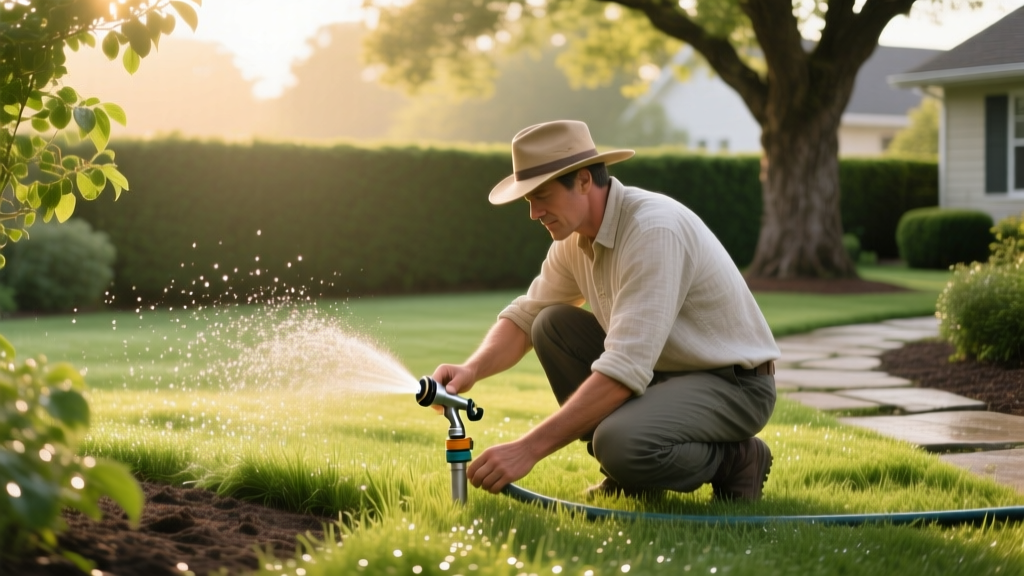
Is Morning a Good Time to Water Plants? The 6 AM to 10 AM Rule
The Science of the 6 AM to 10 AM Watering Window
If you are wondering what is a good time to water plants, the universal consensus among horticulturists is the early morning window between 6:00 AM and 10:00 AM. This is not merely a suggestion based on gardener convenience; it is rooted in plant physiology and atmospheric thermodynamics. During these hours, air temperatures are at their daily minimum, and wind speeds are typically calm. According to research published by the University of Florida IFAS Extension, watering during this window reduces evaporative loss to less than 5%, ensuring that the maximum volume of water reaches the root zone.
Furthermore, plant stomata—the microscopic pores on leaves responsible for gas exchange and transpiration—begin to open at dawn in response to light. Providing ample soil moisture right as the stomata open allows the plant to pull up water and nutrients efficiently to support the day's photosynthetic processes. Watering at this time also allows any accidental splash-back onto the foliage to dry quickly as the sun rises, which is a critical defense mechanism against foliar pathogens.
Pro Tip: Soil Temperature Lag
Soil temperature lags behind air temperature by several hours. Even if the air warms up to 75°F by 9:00 AM, the root zone is still cool. Applying water to a cool root zone prevents the thermal shock that can occur when cold water hits sun-baked, 110°F soil at 2:00 PM, which can stun delicate root hairs and halt nutrient uptake.
Soil temperature lags behind air temperature by several hours. Even if the air warms up to 75°F by 9:00 AM, the root zone is still cool. Applying water to a cool root zone prevents the thermal shock that can occur when cold water hits sun-baked, 110°F soil at 2:00 PM, which can stun delicate root hairs and halt nutrient uptake.
The Time-of-Day Risk Matrix: Evaporation vs. Pathogens
To understand why deviating from the morning rule compromises your garden, we must look at the intersection of evaporation rates and fungal incubation periods. The EPA WaterSense program notes that midday watering can lose up to 30% of applied water to evaporation and wind drift, but evening watering introduces a far more destructive variable: prolonged leaf wetness.
| Time of Day | Evaporation Loss | Fungal Disease Risk | Wind Drift Factor |
|---|---|---|---|
| 6 AM - 10 AM | < 5% | Very Low (Leaves dry fast) | Minimal (Calm morning air) |
| 12 PM - 4 PM | 20% - 40% | Low (High UV kills spores) | High (Thermal breezes) |
| 6 PM - 10 PM | < 10% | Extreme (Leaves stay wet 12+ hrs) | Low to Moderate |
When leaves remain wet for more than 12 hours, the germination rate for spores like Erysiphe cichoracearum (powdery mildew) and Botrytis cinerea (gray mold) approaches 100%. Evening watering guarantees this wetness window, effectively turning your garden into an incubator for blight.
Adjusting for Garden Types: In-Ground vs. Raised Beds vs. Containers
While 6 AM to 10 AM is the ideal time, the volume and frequency of your morning watering must adapt to your specific cultivation method. A one-size-fits-all approach leads to either waterlogged anaerobic soil or drought-stressed roots.
In-Ground Clay vs. Sandy Loam
Heavy clay soils retain moisture tightly but suffer from poor infiltration rates. If you apply water faster than 0.2 inches per hour, it will pool and run off. For clay, use low-flow drip emitters (0.5 to 1.0 Gallons Per Hour, or GPH) and run them for longer durations during your morning window. Sandy loam, conversely, drains rapidly. It requires higher flow emitters (2.0 GPH) applied more frequently to prevent water from percolating past the active root zone before the plant can absorb it.
Raised Beds and Terracotta Containers
Raised beds, particularly those 18 inches or taller, dry out up to 30% faster than in-ground soil due to increased surface area exposure and enhanced drainage. Container gardens introduce the variable of pot material. Unglazed terracotta is porous and actively wicks moisture out of the soil through its walls. If you are growing in terracotta during peak summer, you will need to apply roughly 25% to 30% more water volume during your morning session compared to identical plants in glazed ceramic or thick plastic resin pots.
Moving Beyond Guesswork: Soil Moisture Tech and the Knuckle Test
Determining a good time to water plants is only half the battle; knowing if they need water is the other. Surface soil can look dry and crusty while the root zone remains saturated. Relying on visual surface cues leads to overwatering, which suffocates roots and causes root rot (Pythium spp.).
- The Knuckle Test (Free): Insert your index finger into the soil up to the second knuckle (approximately 2 inches deep). If the soil feels dry and crumbly at this depth, it is time to water. If it feels cool and sticks together, wait another 24 hours.
- Entry-Level Tech ($15 - $20): The Xiaomi Mi Flora Monitor uses capacitive soil moisture sensing to measure volumetric water content (VWC) and connects via Bluetooth to your phone. It is excellent for container gardens but lacks the range for large in-ground beds.
- Advanced Precision ($35 - $45): The Ecowitt WH51 Soil Moisture Sensor features a 6-inch stainless steel probe that reads VWC at the exact root-zone depth. It transmits data via RF to a hub, allowing you to set automated alerts when soil moisture drops below 30% VWC, taking the guesswork out of your morning routine.
"Deep, infrequent watering forces roots to chase the moisture downward, creating drought-resilient plants. Shallow, daily sprinkling keeps roots near the surface where they are vulnerable to heat stress and cultivation damage."
— Dr. Linda Chalker-Scott, Extension Horticulturist
Target Root Zone Depths for Common Garden Plants
When you do water during your optimal morning window, you must apply enough volume to reach the specific root depth of your plants. Use this framework to calculate your run-times:
- Turfgrass & Shallow Annuals: 6 inches deep (Requires approx. 0.5 inches of water volume).
- Vegetables (Tomatoes, Peppers, Squash): 12 to 18 inches deep (Requires approx. 1.0 to 1.5 inches of water volume).
- Shrubs & Perennials: 18 to 24 inches deep (Requires slow, deep drip irrigation over 3-4 hours).
- Established Trees: 36+ inches deep (Requires massive volume applied at the drip line, not the trunk base).
Frequently Asked Questions
Is it ever acceptable to water plants in the late afternoon?
If you miss the morning window, late afternoon (after 4:00 PM) is the secondary option, but you must use drip irrigation or a soaker hose. Applying water directly to the soil base bypasses the foliage, mitigating the fungal risks associated with evening leaf wetness. Never use overhead sprinklers after 3:00 PM.
Should I water my garden every single morning?
No. Daily watering promotes shallow root systems. Most established in-ground gardens require 1 to 1.5 inches of water per week, which should be split into two or three deep morning sessions rather than seven shallow ones. Use the knuckle test or a moisture sensor to verify soil depletion before triggering your next irrigation cycle.
How does winter watering differ from summer scheduling?
In winter, the 6 AM to 10 AM rule shifts. Because freezing temperatures can occur at dawn, watering should be delayed until mid-morning (10:00 AM to 12:00 PM) when air temperatures are safely above freezing (ideally above 40°F). Watering frozen soil is useless, as the water cannot penetrate the frost line and will simply run off or form hazardous ice layers on pathways.

