
Gardening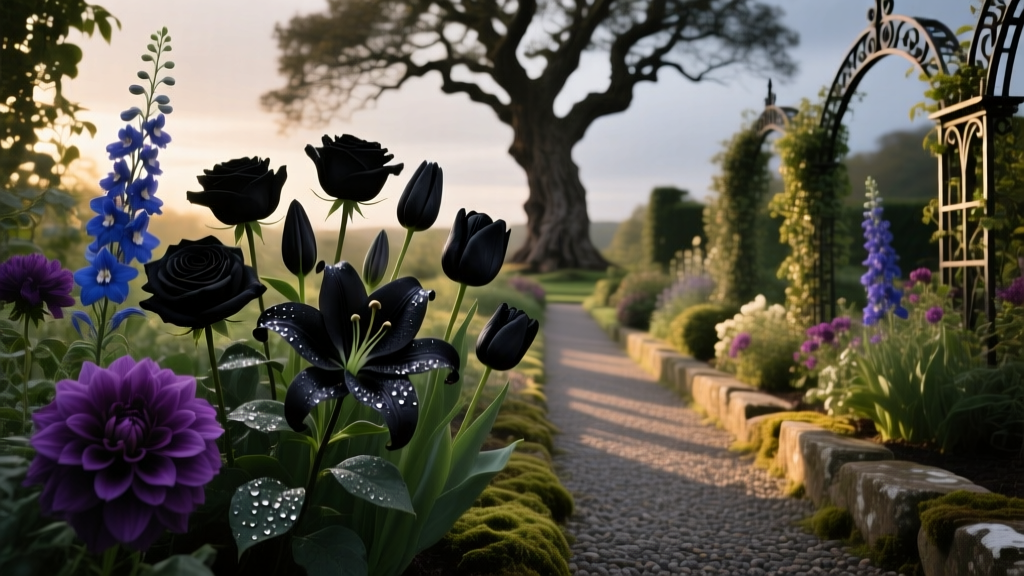
How to Cultivate a Gothic Flower Garden With Dark Blooms
Cultivating a gothic flower garden requires moving beyond standard bright pastels and embracing the dramatic, moody spectrum of horticulture. True black pigments do not exist in the plant kingdom; instead, 'black' and gothic flowers rely on ultra-high concentrations of anthocyanins to produce deep burgundies, midnight purples, and bruised plums. When paired with silver-grey foliage and dark hardscaping, these cultivars create a striking, high-contrast landscape. This guide details the exact cultivars, soil chemistry, and structural layouts required to establish a thriving, deeply pigmented gothic garden.
The Core Palette: Selecting True Gothic Flower Varieties
The foundation of a successful dark garden lies in selecting cultivars specifically bred for pigment density. Many standard purple flowers will wash out in full sun, so you must choose varieties with proven color stability. Below is a curated matrix of high-performance gothic plants, complete with current market pricing and hardiness data.
| Cultivar | Plant Type | Hardiness Zones | Light Requirement | Est. Cost (2026) |
|---|---|---|---|---|
| Rosa 'Black Baccara' | Hybrid Tea Rose | 5-9 | Full Sun (6+ hrs) | $28-$45 (bare-root) |
| Tulipa 'Queen of Night' | Single Late Tulip | 3-8 | Full Sun | $0.90-$1.30 / bulb |
| Petunia 'Black Velvet' | Annual | Grown as Annual | Full Sun | $4.50-$6.00 / pint |
| Heuchera 'Obsidian' | Herbaceous Perennial | 4-9 | Part Shade | $14-$19 / gallon |
| Ophiopogon 'Nigrescens' | Ornamental Grass | 6-10 | Part to Full Shade | $9-$13 / quart |
Soil Chemistry: Maximizing Anthocyanin Pigmentation
The depth of color in gothic flowers is directly tied to soil chemistry, specifically pH levels and phosphorus availability. Anthocyanins, the water-soluble pigments responsible for red, purple, and blue hues, act as a plant's natural sunscreen and stress response. To achieve the darkest possible blooms, you must manipulate the soil environment to encourage maximum pigment synthesis without compromising the plant's overall vigor.
pH Balancing for Dark Blooms
Most dark-blooming cultivars, particularly roses and tulips, perform best and exhibit the deepest petal coloration in slightly acidic soil with a pH between 6.0 and 6.5. In alkaline soils (pH above 7.0), essential micronutrients like iron and manganese become locked up, leading to chlorosis (yellowing leaves) which ruins the dark aesthetic and stresses the plant, causing faded blooms. According to soil management guidelines from the University of Minnesota Extension, lowering soil pH requires the application of elemental sulfur. For a standard loamy soil, apply 1.5 pounds of 90% purity elemental sulfur per 100 square feet to drop the pH by 0.5 units. Incorporate this into the top 6 inches of soil at least three months before planting to allow the soil bacteria to oxidize the sulfur into sulfuric acid.
The Phosphorus Paradox
While phosphorus deficiency is known to trigger purpling in plant tissues (such as the undersides of tomato leaves), deliberately starving your gothic flowers of phosphorus is a poor strategy. It will result in stunted growth and poor flowering. Instead, use a balanced, slow-release fertilizer with an N-P-K ratio of 10-10-10, but supplement with chelated iron (Fe-EDDHA) at a rate of 1 ounce per 10 gallons of water during the active spring growth flush. This ensures the plant has the structural energy to produce large blooms while maintaining the dark, moody foliage contrast.
Step-by-Step Hardscaping and Layout Integration
A gothic flower garden relies as heavily on its structural bones as it does on the plants. Bright red cedar mulch or standard concrete pathways will instantly break the illusion. Follow this sequence to build the physical framework of your landscape.
- Install Dark Pathways: Replace standard wood mulch pathways with 3/8-inch minus black basalt gravel. Basalt absorbs light rather than reflecting it, grounding the bright blooms. Expect to pay between $85 and $115 per ton, which covers approximately 100 square feet at a 2-inch depth.
- Erect Vertical Supports: Install matte-black powder-coated steel or wrought iron trellises and obelisks. Avoid glossy black paints, which reflect sunlight and create visual noise. Matte finishes absorb light and recede into the background, allowing the climbing roses (like Rosa 'Black Forest') to take center stage.
- Apply Obsidian Mulch: In planting beds, use a 2.5-inch layer of black-dyed hardwood mulch or, preferably, dark volcanic scoria rock. Scoria does not fade over the season like dyed wood mulch and provides excellent drainage for the root zones of Mediterranean-climate gothic plants like lavender 'Black Bowtie'.
Nighttime Illumination: The Moonlight Garden Effect
Gothic gardens are notoriously difficult to see at night because dark petals absorb ambient light. To solve this, you must implement targeted architectural lighting. Do not use cool white (5000K) LEDs, which will make the garden look clinical and wash out the deep reds. Instead, install 3-watt to 5-watt LED well lights with a 2700K warm white color temperature. Place the fixtures 18 inches away from the base of your focal plants (like the 'Black Baccara' roses) and angle them upward at 45 degrees. This uplighting technique catches the silver undersides of companion plants like Dusty Miller (Jacobaea maritima) and creates a glowing halo effect that makes the dark flowers appear almost silhouetted against the night sky.
Troubleshooting: Fading Pigments and Pathogens
Dark-leaved and dark-flowered plants face unique environmental stressors. Because dark surfaces absorb more solar radiation, these plants are highly susceptible to heat stress and specific fungal pathogens.
Warning: Sun-Scorch on Dark Foliage
Plants with near-black foliage, such as Heuchera 'Obsidian' and Black Mondo Grass, contain massive amounts of pigment that absorb heat. If planted in unfiltered, hot afternoon sun (especially in Zones 7-9), the leaf margins will scorch, turn crispy, and revert to a sickly bronze. The Fix: Always plant dark-foliage perennials where they will receive morning sun but be shielded by a structure or taller shrub from 2:00 PM to 5:00 PM. If scorch occurs, do not prune the damaged leaves immediately; wait until the fall die-back to avoid stimulating tender new growth that will burn again.
Managing Rose Black Spot
The most popular gothic flower, the 'Black Baccara' rose, is highly susceptible to Diplocarpon rosae, commonly known as black spot. The irony of a gothic garden is that black spot fungus on the leaves ruins the aesthetic by causing premature defoliation. The Royal Horticultural Society (RHS) recommends a proactive approach. Begin applying a preventative fungicide containing myclobutanil or tebuconazole when the new spring shoots are just 2 inches long. Apply every 14 days throughout the wet spring season. Ensure you water the roses at the base using a drip line; overhead watering splashes the fungal spores from the black basalt mulch back onto the lower canes.
Seasonal Succession Timeline for Year-Round Appeal
To prevent your garden from looking barren outside of the peak summer blooming window, sequence your planting to ensure continuous dark textures.
- Early Spring (March-April): Tulipa 'Queen of Night' and Tulipa 'Black Hero' emerge. Their deep plum stems provide early vertical interest before the canopy fills in.
- Late Spring to Mid-Summer (May-July): 'Black Baccara' and 'Black Magic' roses hit their primary flush. Intersperse with annual Petunia 'Black Velvet' in border edges to hide the bare lower canes of the roses.
- Late Summer (August-September): Sedum 'Black Jack' begins to form its dark, broccoli-like flower heads, transitioning from deep purple foliage to dusty pink blooms that age into a rust color.
- Autumn and Winter (October-February): Plant ornamental cabbages (Brassica oleracea) in deep purple and ivory. As temperatures drop below 50°F, their centers intensify to a near-black purple. Leave the dried, blackened seed heads of Allium 'Purple Sensation' standing through the winter to provide architectural silhouettes against the snow.
By rigorously controlling your soil pH, selecting genetically stable dark cultivars, and integrating non-reflective hardscaping, you can cultivate a gothic flower garden that maintains its dramatic, macabre elegance throughout the entire growing season.

