
Gardening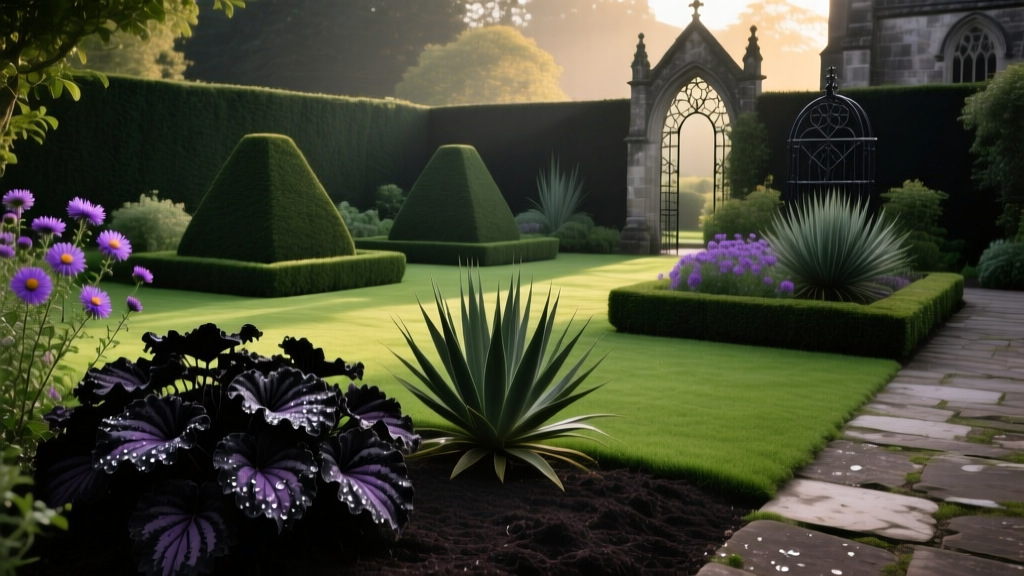
Gothic Gardening for Beginners: Plants, Soil, and Design
Gothic gardening is frequently misunderstood as a seasonal Halloween display featuring plastic tombstones and synthetic cobwebs. In reality, true gothic landscaping is a sophisticated, year-round horticultural style rooted in Victorian romanticism. It relies on deep botanical pigments, dramatic architectural hardscaping, and high-contrast textural pairings to create a moody, elegant outdoor space. For beginners, the challenge lies in sourcing genuinely dark plant cultivars and maintaining the specific soil conditions required to keep their pigments vibrant.
The Botanical Science of Dark Pigments
Before selecting plants, it is crucial to understand that true black does not exist in the plant kingdom. What we perceive as black is actually an ultra-high concentration of anthocyanins—water-soluble pigments that appear deep purple, burgundy, or maroon. The expression of these pigments is heavily influenced by environmental stressors, specifically light exposure and soil acidity.
Expert Insight: Anthocyanin production is often triggered by high UV light and slightly acidic soil. If your 'black' plants are fading to green or muddy brown, your soil pH is likely too alkaline (above 7.0), which locks up the micronutrients required for deep pigment synthesis.
According to soil management guidelines from the University of Minnesota Extension, lowering your soil pH to a range of 5.5 to 6.2 optimizes nutrient availability for anthocyanin production. You can achieve this by amending your beds with elemental sulfur (apply approximately 1 lb per 100 square feet to drop the pH by one full point) and incorporating organic matter like peat moss or composted pine bark.
The Core Gothic Plant Palette
Building a gothic garden requires a mix of structural perennials, seasonal annuals, and dark-foliage groundcovers. Relying solely on black flowers will result in a garden that looks barren for most of the year, as true dark-blooming windows are notoriously short. Use the Missouri Botanical Garden Plant Finder to verify hardiness zones for these specific cultivars before purchasing.
| Cultivar | Type | Zones | Est. Cost | Light Needs |
|---|---|---|---|---|
| Tulipa 'Queen of Night' | Spring Bulb | 3-8 | $12 / 10 bulbs | Full Sun |
| Heuchera 'Obsidian' | Evergreen Perennial | 4-9 | $18 / 1-gal pot | Part Shade |
| Rosa 'Black Baccara' | Hybrid Tea Shrub | 5-9 | $35 / bare-root | Full Sun |
| Cosmos atrosanguineus | Tender Perennial | 8-11 | $15 / 1-gal pot | Full Sun |
| Ophiopogon planiscapus 'Nigrescens' | Ornamental Grass | 6-9 | $12 / 1-gal pot | Part to Full Shade |
Hardscaping for Macabre Elegance
A gothic garden relies just as heavily on non-living elements as it does on botany. The goal is to introduce structures that feel aged, architectural, and slightly melancholic. Avoid shiny, modern materials like polished aluminum or bright white PVC.
- Wrought Iron & Cast Steel: Use black powder-coated iron obelisks ($80–$150 each) to support dark climbing roses or clematis. The rust-patina look is highly desirable; if buying new, you can accelerate oxidation by spraying the metal with a 50/50 mixture of white vinegar and hydrogen peroxide.
- Dark Mulch & Aggregates: Ditch standard cedar mulch. Opt for black slate chippings (approx. $45–$60 per ton) or natural black walnut hull mulch. Slate retains heat and provides a sharp, geometric contrast to the soft edges of dark foliage.
- Water Features: A dark-lined reflecting pool or a cast-iron birdbath creates a mirror effect that captures the moody sky and doubles the visual impact of overhead canopy trees.
Illuminating the Shadows: Landscape Lighting
Dark foliage absorbs light, making a gothic garden look like a void at night if left unlit. Strategic landscape lighting is mandatory to reveal the textures of your plants. Avoid cool-white LEDs (4000K+), which wash out deep purples and make them look grey.
Lighting Specification: Use 3000K warm-white LED fixtures with narrow beam angles (15 to 24 degrees). Place low-voltage uplights at the base of architectural plants like Phormium tenax 'Dark Delight' or Corylus avellana 'Red Majestic' to cast dramatic, elongated shadows against nearby fences or walls.
Common Beginner Pitfalls to Avoid
When designing a dark-themed landscape, beginners often fall into a few predictable traps that ruin the aesthetic and compromise plant health.
Warning: The Monochrome Mistake
Planting only black and deep purple creates a visual black hole. The human eye cannot distinguish textures in a mass of dark colors without contrast. You must interplant with silver, grey, or chartreuse foliage to make the dark plants pop. Pair your Heuchera 'Obsidian' with Senecio cineraria 'Silver Dust' or Hakonechloa macra 'All Gold'. The silver reflects moonlight and provides the necessary visual relief.
Planting only black and deep purple creates a visual black hole. The human eye cannot distinguish textures in a mass of dark colors without contrast. You must interplant with silver, grey, or chartreuse foliage to make the dark plants pop. Pair your Heuchera 'Obsidian' with Senecio cineraria 'Silver Dust' or Hakonechloa macra 'All Gold'. The silver reflects moonlight and provides the necessary visual relief.
Another frequent error is ignoring the microclimate requirements of dark foliage. Many black-leafed plants, such as the Sambucus nigra 'Black Lace' (elderberry), require full sun to maintain their dark pigmentation. If planted in deep shade, the plant will revert to a muddy green as it produces more chlorophyll to compensate for the lack of light. Always match the specific cultivar's light requirements to your garden's exact sun exposure, rather than assuming all 'gothic' plants thrive in dark, shaded corners.
Step-by-Step Soil Preparation Checklist
- Test the Soil: Purchase a digital soil pH meter or send a sample to your local cooperative extension. You are aiming for a baseline reading.
- Amend for Acidity: If your pH is above 6.5, broadcast elemental sulfur at the rate recommended by your soil test (typically 1-2 lbs per 100 sq ft).
- Incorporate Organic Matter: Mix 2 inches of composted pine bark or sphagnum peat moss into the top 6 inches of soil. This improves drainage while naturally buffering the soil toward a lower pH.
- Mulch Correctly: Apply a 2-inch layer of pine needles or black walnut hulls. Avoid hardwood mulches, which tend to alkalize the soil as they decompose.
- Re-test Annually: Soil pH naturally drifts over time. Re-test every spring and apply a sulfur top-dressing if the pH creeps back above 6.2.
By focusing on the science of plant pigments, selecting structurally diverse cultivars, and employing high-contrast hardscaping, you can cultivate a gothic garden that is botanically sound and visually striking throughout the entire growing season.

