
Gardening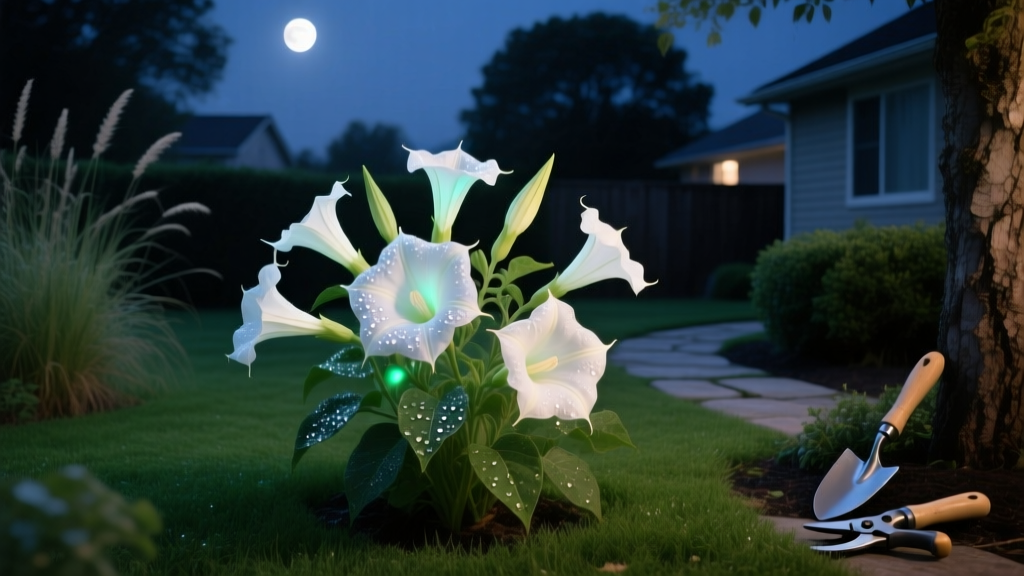
Moonflowers: The Perfect Flower That Only Blooms at Night
Why Choose a Flower That Only Blooms at Night?
Most homeowners design their gardens for daytime enjoyment, completely ignoring the sensory experience available after the sun goes down. Cultivating a flower that only blooms at night transforms your outdoor space into a fragrant, ethereal retreat perfect for evening relaxation. Night-blooming plants have evolved to attract nocturnal pollinators, specifically moths and bats, by producing intense, sweet fragrances and highly reflective white or pale-yellow petals that glow under moonlight. According to the US Forest Service, moth pollinators are vital to many ecosystems, yet their habitats are rapidly declining due to light pollution and a lack of appropriate host plants. By planting night-bloomers, you are actively supporting local biodiversity while creating a unique landscape feature.
Callout: The Evening Pollinator Advantage
Night-blooming flowers produce nectar with higher sugar concentrations than daytime blooms. This high-energy reward is specifically calibrated to fuel the intense metabolic demands of sphinx moths and nocturnal bees, making your garden a critical refueling station for these often-overlooked insects.
Night-blooming flowers produce nectar with higher sugar concentrations than daytime blooms. This high-energy reward is specifically calibrated to fuel the intense metabolic demands of sphinx moths and nocturnal bees, making your garden a critical refueling station for these often-overlooked insects.
Top Night-Blooming Flowers for Beginners
While the moonflower (Ipomoea alba) is the undisputed king of the evening garden, several other species offer reliable, beginner-friendly nighttime displays. Below is a comparison matrix to help you select the right plant for your specific hardiness zone and garden layout.
| Species | Common Name | Growth Habit | Zones | Scent Profile |
|---|---|---|---|---|
| Ipomoea alba | Moonflower | Climbing Vine (10-15 ft) | 9-11 (Annual elsewhere) | Sweet, citrusy, intense |
| Oenothera biennis | Evening Primrose | Upright Herbaceous (3-5 ft) | 4-9 | Mild, lemon-like |
| Mirabilis jalapa | Four O'Clocks | Bushy Perennial (2-3 ft) | 7-10 (Tuberous) | Jasmine, sweet |
| Cestrum nocturnum | Night-Blooming Jasmine | Evergreen Shrub (8-12 ft) | 8-11 | Overpowering, musky |
Step-by-Step: Planting Moonflowers from Seed
The moonflower is the ultimate flower that only blooms at night, producing massive 6-inch white blossoms that unfurl in a mesmerizing spiral just as dusk falls. However, beginners frequently fail at the germination stage due to the seed's incredibly hard outer shell. Follow this precise protocol to ensure a 90% or higher germination rate.
Seed Scarification and Soaking (Crucial Step)
Moonflower seeds possess a thick, impermeable seed coat that prevents water absorption. If you plant them directly into soil without preparation, they will rot before germinating. Proper seed starting, as outlined by Penn State Extension, requires mechanical scarification for hard-coated seeds.
- Nick the Seed Coat: Using a standard metal nail file or 120-grit sandpaper, gently rub the edge of each seed until you see a tiny sliver of the white inner endosperm. Do not file the pointed tip, as this houses the embryo.
- Thermal Soaking: Place the scarified seeds in a thermos filled with water heated to exactly 80°F to 85°F. The thermos maintains the temperature overnight without the need for a seedling heat mat.
- Wait 24 Hours: After a full day, the seeds will have swollen to nearly twice their original size, indicating the cotyledons are fully hydrated and ready to sprout.
- Sow in Peat Pots: Moonflowers have highly sensitive taproots and despise transplant shock. Sow one seed per 3-inch biodegradable peat or cow-pot, burying it 0.5 inches deep in a sterile, soilless seed-starting mix.
Soil Preparation and Fertilizer Ratios
Once your seedlings have developed two sets of true leaves and nighttime soil temperatures consistently exceed 60°F, it is time to transplant them outdoors. Moonflowers thrive in well-draining loamy soil with a pH between 6.0 and 7.0. The most common beginner mistake is over-fertilizing with high-nitrogen products like standard 24-8-16 all-purpose liquid feeds. Excess nitrogen triggers massive vegetative growth, resulting in a 20-foot vine with lush green foliage but zero flowers. Instead, amend your planting hole with a low-nitrogen, high-phosphorus granular fertilizer, such as a 5-10-10 NPK blend or Espoma Organic Flower-tone (3-4-5). Phosphorus is the primary driver of root development and floral bud initiation.
Trellis Training and Vine Management
A mature moonflower vine can easily reach 15 feet in a single growing season and become incredibly heavy, especially after a rainstorm when the large, heart-shaped leaves retain water. Flimsy nylon trellis netting or thin bamboo teepees will collapse under the weight.
Expert Structural Tip: For a permanent, fail-safe support system, drive two 8-foot galvanized steel T-posts into the ground, spaced 6 feet apart. Attach a 50-inch tall, 14-gauge welded wire mesh panel using heavy-duty zip ties. The 2x4 inch grid openings provide ample space for the vine's tendrils to weave through, and the steel will never rot or snap under the vine's weight.
As the vine grows, gently weave the leading shoots through the trellis grid. Moonflowers twine clockwise (when viewed from above). If a shoot begins wrapping counter-clockwise, gently unwrap it and guide it in the correct direction to prevent stem strangulation and breakage.
Troubleshooting Common Night-Bloomer Issues
Even with perfect soil and structural support, evening gardens face specific biological challenges. Use this diagnostic guide to identify and resolve the most frequent issues:
- Symptom: Massive vines, zero blooms.
Cause: Nitrogen toxicity or insufficient sunlight. Fix: Moonflowers require a minimum of 8 hours of direct, unfiltered sunlight to trigger the photoperiod response required for budding. Flush the soil with deep watering to leach excess nitrogen, and switch to a 0-10-10 liquid bloom booster. - Symptom: Leaves chewed down to the veins.
Cause: Convolvulus sphinx moth caterpillars (hornworms). These large green caterpillars are the larval stage of the very moths you are trying to attract. Fix: Hand-pick them and relocate them to a patch of wild morning glory. Avoid using Bacillus thuringiensis (Bt) sprays, as this will kill the beneficial pollinators you are cultivating. - Symptom: Buds form but turn yellow and drop before opening.
Cause: Inconsistent soil moisture or extreme heat stress. Fix: Apply a 2-inch layer of shredded hardwood mulch around the base of the vine to regulate soil temperature and retain moisture. Install a drip irrigation line set to deliver 1 inch of water per week directly to the root zone.
Designing a Sensory Moon Garden
To maximize the impact of your flower that only blooms at night, context and companion planting are essential. A moon garden relies on visual contrast and olfactory layering. Plant your moonflowers against a dark backdrop, such as a deep green arborvitae hedge or a dark-stained wooden fence, which makes the white petals appear to glow. Underplant the base of the trellis with low-growing, silver-foliaged plants like dusty miller (Jacobaea maritima) or lamb's ear (Stachys byzantina). The silvery leaves reflect ambient moonlight and starlight, illuminating the garden floor. Finally, avoid placing bright, cool-white LED security lights near your evening garden. According to the Missouri Botanical Garden, artificial light pollution disrupts the circadian rhythms of nocturnal flora, often preventing buds from opening entirely and confusing the navigational systems of sphinx moths. Opt for low-lumen, warm-toned (2200K or lower) pathway lighting placed close to the ground to preserve the magic of the night-blooming ecosystem.

