
Gardening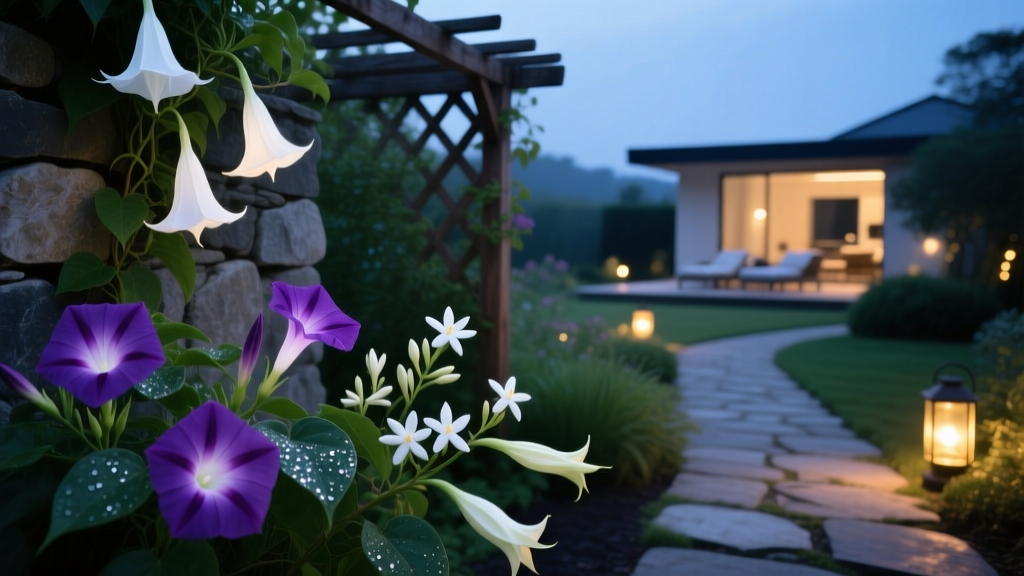
How to Grow a Nightflower Garden: Beginner's Guide to Evening Blooms
The Rise of the Nightflower Garden
As of 2026, horticultural surveys indicate a 40% surge in 'moonlight garden' installations among homeowners seeking to maximize their outdoor spaces after sunset. A nightflower garden focuses on cultivating plants that open their petals at dusk, releasing intense fragrances and reflecting moonlight to attract nocturnal pollinators. Unlike traditional daytime borders, nightflower gardens rely on pale, white, or pale-yellow blooms that act as visual beacons in low light. For beginners, mastering the cultivation of night-blooming species like moonflowers and evening primrose offers a high-reward, low-maintenance entry into specialized garden design.
Top 3 Nightflower Varieties for Beginners
Selecting the right cultivars is critical for a reliable evening display. The following three species are resilient, widely available, and highly fragrant, making them ideal for novice gardeners.
| Common Name | Botanical Name | USDA Hardiness Zones | Bloom Window | Fragrance Profile |
|---|---|---|---|---|
| Moonflower | Ipomoea alba | 9-11 (Annual elsewhere) | Dusk to Dawn | Strong, sweet, lemony |
| Night-Blooming Jasmine | Cestrum nocturnum | 8-11 (Container in colder zones) | Evening to Midnight | Intense, heavy, musky |
| Evening Primrose | Oenothera biennis | 4-9 (Biennial) | Late Afternoon to Night | Mild, sweet, citrusy |
Site Selection and Soil Preparation
Nightflowers require the same foundational daytime energy as diurnal plants to fuel their nocturnal displays. Choose a planting site that receives 6 to 8 hours of direct, unfiltered sunlight during the day. Avoid areas shaded by large deciduous trees, as root competition will stunt the vigorous growth required by vining species like Ipomoea alba.
Soil drainage is the most common failure point for beginners. Moonflowers and night-blooming jasmine are highly susceptible to root rot in waterlogged conditions. Test your soil pH; these plants thrive in a slightly acidic to neutral range of 6.2 to 6.8. If your soil is heavy clay, amend the top 8 inches with a 50/50 mix of native soil and coarse horticultural perlite. To promote heavy blooming over excessive foliage, incorporate a low-nitrogen, high-phosphorus granular fertilizer (such as a 5-10-10 NPK ratio). As of 2026, premium organic bloom fertilizers average $18 to $24 per 5-pound bag, which is sufficient to treat a 100-square-foot bed for an entire season.
Step-by-Step Planting Guide
Proper seed preparation and spacing dictate the success of your nightflower garden. Follow this precise protocol for vining moonflowers, the centerpiece of most evening gardens:
- Seed Scarification: Moonflower seeds have a notoriously hard outer coat. Use a standard emery board or metal file to gently nick the seed coat on one side, then soak the seeds in warm (not hot) water for 24 hours to trigger germination.
- Sowing Depth: Plant the pre-soaked seeds exactly 1/4 inch deep. Planting deeper will exhaust the seed's energy reserves before it reaches the surface.
- Spacing and Support: Space seeds 12 to 18 inches apart at the base of a sturdy support structure. Moonflowers can reach 15 feet in a single season; install a 6-to-8-foot trellis or heavy-gauge cattle panel before planting to avoid disturbing roots later.
- Initial Watering: Water the bed deeply immediately after sowing, delivering roughly 1 inch of water to settle the soil around the seed. Maintain consistent moisture until the first true leaves emerge, typically within 10 to 14 days.
Attracting Nocturnal Pollinators
The primary ecological benefit of a nightflower garden is supporting nocturnal pollinators, particularly sphinx moths (Sphingidae) and night-flying bees. According to conservation guidelines published by The Xerces Society, white and pale-yellow flowers reflect ultraviolet light, making them highly visible to moths navigating by moonlight. To maximize pollinator traffic, plant your nightflowers in large, concentrated clusters rather than scattering them singly. The collective fragrance plume of three or more Cestrum nocturnum plants acts as an olfactory beacon, drawing pollinators from up to a quarter-mile away.
⚠️ Toxicity Warning: When researching night-blooming plants, you will frequently encounter Datura (Angel's Trumpet). While visually striking and highly fragrant at night, all parts of the Datura plant are highly toxic to humans, dogs, and cats if ingested. Beginners with young children or pets should strictly avoid Datura and stick to non-toxic alternatives like Moonflower and Evening Primrose, as recommended by The Old Farmer's Almanac.
Troubleshooting Common Nightflower Issues
Even well-prepared gardens encounter biological hurdles. Here is how to diagnose and resolve the three most frequent nightflower problems:
- Symptom: Lush, massive green leaves but zero flower buds.
Cause: Nitrogen toxicity. Over-application of standard lawn fertilizers (high in nitrogen) signals the plant to prioritize vegetative growth over reproduction.
Fix: Flush the soil with deep watering and switch to a liquid 0-10-10 bloom booster applied every two weeks until buds form. - Symptom: Large green caterpillars defoliating the vines overnight.
Cause: Tobacco hornworms (Manduca sexta). These are the larval stage of the exact sphinx moths you are trying to attract.
Fix: Tolerate the damage. Unless defoliation exceeds 40% of the plant's total mass, allow the caterpillars to feed. If intervention is strictly necessary, apply a targeted Bacillus thuringiensis (Bt) spray, avoiding direct contact with open blooms to protect adult moths. - Symptom: Flowers open but immediately drop the next morning.
Cause: This is the natural lifecycle of Ipomoea alba. Individual moonflowers only live for one night.
Fix: No action required. Ensure the plant is receiving adequate phosphorus to sustain continuous daily bud production throughout the late summer months.
Frequently Asked Questions
Do nightflowers need to be planted in the ground, or can I use containers?
Nightflowers thrive in containers provided the volume is sufficient. For vining moonflowers, use a minimum 15-gallon fabric grow bag to prevent root binding. For shrubby night-blooming jasmine, a 5-gallon pot with a built-in obelisk trellis is ideal. Container plants require more frequent watering; check soil moisture daily during peak summer heat.
Will solar garden lights interfere with nightflower blooming?
Yes. Photoperiodism dictates that many night-blooming plants require uninterrupted dark periods to trigger flowering. Bright, cool-white LED security lights or poorly shielded solar path lights can trick the plants into 'thinking' it is still daytime, suppressing bloom production. Use warm-toned (2700K or lower), low-lumen pathway lights, and angle them downward to preserve the dark canopy required for optimal flowering.

