
Gardening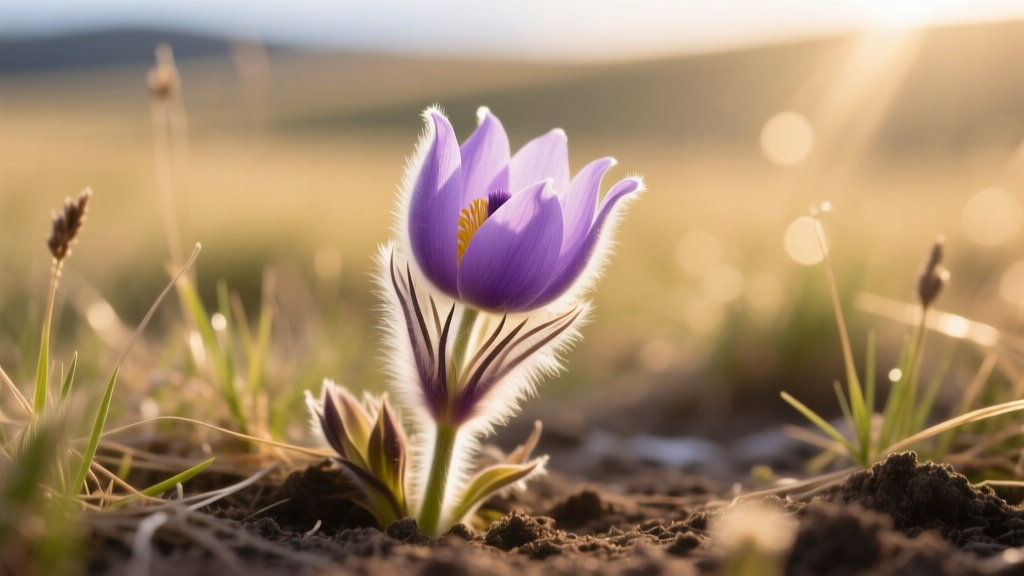
How to Grow the State Flower of South Dakota: Pasqueflower Guide
The Horticultural Challenge of the Pasqueflower
Adopted as the official state flower of South Dakota in 1903, the Pasqueflower (Pulsatilla patens, historically classified as Anemone patens) is a masterclass in prairie resilience. Blooming weeks before other native perennials, its vibrant lavender petals and fuzzy silver foliage push through late-April snowmelt. However, replicating its harsh, well-drained native prairie habitat in a cultivated garden bed is where most homeowners fail. The secret to successfully establishing this early-spring ephemeral lies in mimicking its deep taproot environment and executing precise seed stratification protocols.
Botanical & Hardiness Profile
| Botanical Name | Pulsatilla patens |
| USDA Hardiness Zones | 3 to 7 |
| Mature Dimensions | 8-12 inches tall, 6-9 inches wide |
| Soil pH Preference | 6.5 to 7.5 (Neutral to slightly alkaline) |
| Average Plug Cost (2026) | $5.50 - $9.00 per 3-inch deep pot |
Site Selection and the 'Gravelly Loam' Recipe
The most common cause of Pasqueflower mortality is crown rot triggered by winter moisture retention. In the wild, this plant thrives on dry, windswept hillsides with gravelly or sandy loam. Standard garden topsoil or heavy clay will suffocate the root system. According to the University of Minnesota Extension, ensuring rapid drainage is non-negotiable for upper-midwest native prairie flora.
Custom Soil Mixing Protocol
Do not rely on bagged 'garden soil' from big-box stores. Mix your own substrate using the following ratio by volume:
- 40% Native Topsoil: Screened to remove large debris.
- 30% Coarse Builder's Sand or Perlite: Essential for macro-porosity and drainage.
- 20% Crushed Limestone Gravel (1/4-inch minus): Mimics native scree and buffers the soil pH to the preferred 6.8-7.2 range.
- 10% Well-Aged Compost: Provides minimal, slow-release nutrients without retaining excess moisture.
⚠️ The Taproot Warning: Mature Pasqueflowers develop a thick, brittle taproot that can extend several feet into the soil profile. Never attempt to dig up and divide a mature plant. Once established, they are virtually impossible to transplant without fatal root shearing. Always start from seed or plant nursery-grown plugs while they are juveniles (under 1 year old).
Step-by-Step Seed Stratification & Sowing
Growing the state flower of South Dakota from seed requires overcoming deep physiological dormancy. Fresh seed requires a prolonged cold, moist stratification period to trigger germination. Data from the Lady Bird Johnson Wildflower Center indicates that skipping this cold treatment results in near-zero germination rates.
- Preparation: Mix 1 part Pasqueflower seed with 3 parts damp (not wet) horticultural vermiculite. Squeeze the vermiculite; if water drips out, it is too wet.
- Bagging: Place the mixture in a sealed, heavy-duty zip-top bag. Label with the date and species.
- Cold Treatment: Store in the refrigerator (strictly between 34°F and 39°F) for 60 to 90 days. Do not use the freezer, as ice crystal formation will rupture the seed embryos.
- Sowing: After stratification, sow the seeds on the surface of a sterile, well-draining seed-starting mix. Crucial detail: Do not cover the seeds. Pulsatilla patens requires light to germinate.
- Germination Environment: Maintain a soil temperature of 65°F to 70°F. Use a clear humidity dome, but vent it daily to prevent damping-off fungus. Expect sprouts in 14 to 21 days.
- Seedling Care: Once true leaves emerge, transplant individual seedlings into deep 3-inch tree pots (like Stuewe and Sons Treepots) to accommodate the rapidly descending taproot.
Transplanting Nursery Plugs
If you bypass seed starting and purchase nursery plugs, timing and technique dictate survival. Plant in early spring (as soon as the soil is workable) or early fall. Avoid summer planting, as the heat stress combined with transplant shock will kill juvenile plants.
Planting Depth and Spacing
Dig a hole exactly the depth of the plug's root ball. The crown (where the stems meet the roots) must sit exactly at the soil line. Burying the crown even a half-inch below the soil surface invites fatal Sclerotinia crown rot. Space plants 12 to 15 inches apart to ensure adequate air circulation, which dries the fuzzy foliage quickly after morning dew or rain.
Companion Planting Matrix
When designing a pollinator or prairie garden, pairing the Pasqueflower with species that share its xeric (dry) requirements is vital. Avoid pairing it with moisture-loving perennials.
| Highly Compatible Companions | Incompatible (Avoid) |
|---|---|
| Prairie Smoke (Geum triflorum) - Shares spring bloom time and dry soil needs. | Hostas - Require too much moisture and shade. |
| Little Bluestem (Schizachyrium scoparium) - Provides structural winter contrast. | Astilbe - Will drown the Pasqueflower with its watering needs. |
| Butterfly Weed (Asclepias tuberosa) - Excellent taproot companion for summer bloom succession. | Daylilies - Aggressive root systems will outcompete juvenile plugs. |
Troubleshooting Common Failure Modes
Even with meticulous preparation, environmental variables can cause stress. Use this diagnostic framework to identify and correct issues.
Symptom: Fuzzy Foliage Turns Brown and Collapses at the Base
- Cause: Crown rot (Phytophthora or Sclerotinia) due to winter wetness or mulch piled against the crown.
- Fix: Remove all organic mulch within a 6-inch radius of the plant. Replace with a 1-inch layer of inorganic crushed gravel to keep the crown dry. Ensure the planting site is slightly mounded (bermed) to shed surface water.
Symptom: Plant Fails to Emerge in Spring (Despite Previous Health)
- Cause: Vole damage or severe frost heave. Voles tunnel through loose, gravelly soil in winter and eat the starchy taproot. Frost heave occurs if the soil lacks sufficient mass to anchor the root.
- Fix: For voles, embed a cylinder of 1/4-inch hardware cloth 8 inches deep around the planting zone. For frost heave, apply a light, breathable layer of pine boughs (not heavy leaves) in late November to insulate the soil and prevent rapid freeze-thaw cycles.
Symptom: Powdery White Coating on Leaves
- Cause: Powdery mildew, usually triggered by late-spring humidity combined with poor air flow.
- Fix: Prune out the worst-affected foliage. Apply a preventative organic fungicide containing Bacillus subtilis (such as Serenade Garden) at the first sign of silver-gray fuzz on the leaves.
Sourcing Authentic Genetics
A frequent pitfall for gardeners searching for the state flower of South Dakota is accidentally purchasing Pulsatilla vulgaris (the European Pasqueflower). While beautiful, P. vulgaris lacks the extreme cold tolerance and native ecological benefits of P. patens. When ordering from specialty native nurseries like Prairie Moon Nursery or Native American Seed, verify the botanical name on the invoice. Look for Pulsatilla patens or Anemone patens. Expect to pay between $4.00 and $6.00 for a packet of 50 fresh seeds, or $6.50 to $9.00 for a 3-inch deep plug. Always prioritize nurseries that source seed from regional ecotypes within a 300-mile radius of your planting zone to ensure maximum genetic adaptation to your local microclimate.
For further reading on native prairie restoration and regional ecotype mapping, consult the Missouri Botanical Garden's PlantFinder database, which offers exhaustive cultural data on upper-midwest native flora.

