
Gardening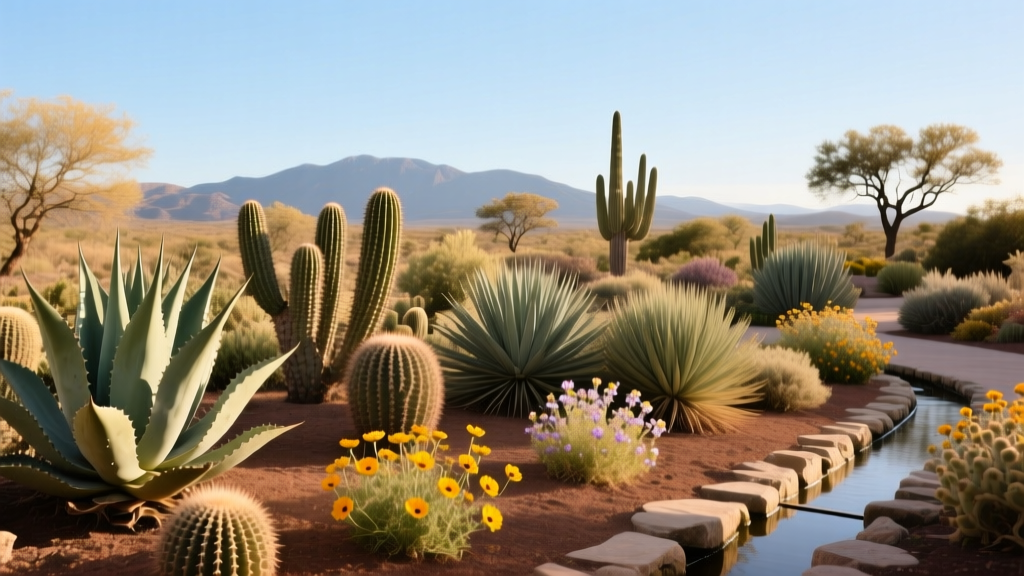
How to Grow Native Plants in Mexico: Xeriscape Guide
Understanding Mexico's Diverse Microclimates
Mexico is a megadiverse country boasting over 23,000 plant species, yet cultivating these natives successfully requires a precise understanding of regional microclimates. According to data from CONABIO, the nation's topography ranges from the hyper-arid Chihuahuan Desert in the north to the humid tropical coasts of the Yucatán. For homeowners and landscapers, treating 'Mexico' as a single planting zone is a recipe for root rot and transplant shock.
Before purchasing a single specimen, identify your specific hardiness zone and soil profile. The central highlands (including Mexico City and surrounding states) sit at high elevations with volcanic soils and distinct frost pockets, while the northern states feature highly alkaline caliche crusts that restrict water infiltration.
| Region | USDA Zone | Dominant Soil Type | Average Annual Rainfall |
|---|---|---|---|
| Central Highlands | 8b - 9b | Volcanic Tepetate / Clay Loam | 24 - 32 inches |
| Northern Arid | 9a - 10b | Caliche / Alkaline Sand | 8 - 14 inches |
| Coastal Tropical | 10b - 11b | Sandy Loam / Limestone | 40 - 60 inches |
Step-by-Step Soil Preparation for Tepetate and Caliche
The most common failure point when establishing native plants in Mexico is ignoring soil structure. Tepetate (a hard, compact volcanic tuff found in the central valleys) and caliche (a calcium carbonate crust in the north) act like concrete, suffocating roots and pooling water.
Breaking and Amending the Subsoil
- Mechanical Fracturing: Do not rely on a standard rototiller. Use a 46-inch steel digging bar or a heavy-duty mattock to fracture the tepetate or caliche layer to a depth of at least 18 inches. This creates essential drainage channels.
- pH Testing and Adjustment: Use a reliable kit like the Luster Leaf Rapitest. Northern caliche soils often test at a pH of 8.2 or higher. To lower the pH to a manageable 7.0 for non-desert natives, incorporate elemental sulfur at a rate of 1.5 pounds per 100 square feet, working it into the top 6 inches of soil three months before planting.
- The 30/20 Amendment Ratio: For xeriscape beds, avoid heavy peat moss, which retains too much moisture and invites fungal pathogens. Instead, amend your excavated native soil with 30% 3/8-inch pumice (for aeration and drainage) and 20% composted pine bark (for slow-release organic matter).
Expert Tip: When planting large agaves or yuccas in unamended caliche, dig a hole twice as wide as the root ball but exactly the same depth. Backfill with a 50/50 mix of native soil and crushed decomposed granite to prevent the 'bathtub effect' where water collects in the loose backfill and rots the taproot.
Top Native Species for Low-Water Cultivation
Selecting the right plant for the right microclimate ensures longevity and reduces water consumption. The University of Arizona Extension notes that native Sonoran and Chihuahuan desert plants share physiological adaptations that make them ideal for low-input gardens across northern and central Mexico.
- Agave salmiana (Pulque Agave): A massive, architectural succulent reaching 6 feet tall and 10 feet wide. Requires full sun and zero supplemental water once established. Warning: The sap contains calcium oxalate crystals; always wear heavy leather gauntlets and eye protection when pruning.
- Penstemon barbatus (Beardlip Penstemon): A hummingbird magnet producing brilliant red tubular flowers from late spring to early fall. Grows 2 to 3 feet tall. Requires sharp drainage; plant on a slight 2-inch berm to keep the crown dry during summer monsoons.
- Tagetes lucida (Mexican Tarragon): A semi-woody perennial herb that thrives in the central highlands. Reaches 18 inches tall, features anise-scented foliage, and produces small yellow marigold-like flowers. Tolerates light frost and heavy clay soils better than most culinary herbs.
- Dahlia imperialis (Tree Dahlia): Native to the mountainous regions, this towering perennial can reach 15 feet in a single season. Requires rich, well-draining soil, sturdy bamboo staking, and protection from high winds. Cut back to 6 inches above ground after the first frost.
Irrigation Strategies: The Olla System
Overhead sprinklers are highly inefficient in Mexico's arid zones, losing up to 40% of water to evaporation. For a truly sustainable xeriscape, implement an olla (unglazed clay pot) irrigation system. This ancient Mesoamerican technique delivers water directly to the root zone via capillary action through the porous clay walls.
How to Install an Olla Network
- Select the Vessels: Purchase 1.5 to 2-gallon unglazed terracotta pots. Ensure they have no synthetic sealants or glazes on the exterior.
- Seal the Drainage Hole: Plug the bottom hole with a silicone stopper or a cork sealed with waterproof marine epoxy.
- Bury the Pots: Dig holes and bury the ollas up to their necks. Space them 18 inches apart for shallow-rooted perennials like Salvia leucantha, and 36 inches apart for deep-rooted shrubs and agaves.
- Fill and Cap: Fill the ollas with water and cover the top opening with a flat stone or a terracotta saucer to prevent mosquito breeding and reduce surface evaporation. Refill twice a week during peak summer heat.
Troubleshooting Common Pests and Fungal Issues
Even drought-tolerant native plants face biological threats. Accurate diagnosis and targeted treatment are critical to saving your specimens.
| Symptom | Likely Culprit | Actionable Treatment Protocol |
|---|---|---|
| Wrinkled central leaves, foul odor at the base of Agave | Agave Snout Weevil (Scyphophorus acupunctatus) | Remove and destroy the infected plant immediately; do not compost. Drench surrounding soil with beneficial nematodes (Steinernema carpocapsae) at a rate of 5 million per acre to kill remaining larvae. |
| White, cottony masses on Opuntia (Prickly Pear) pads | Cochineal Scale (Dactylopius coccus) | Blast pads with a high-pressure hose nozzle to dislodge insects. Apply insecticidal soap (potassium salts of fatty acids) at a 2% solution during early morning hours. |
| Black, sooty mold on leaves of citrus and tropicals | Sooty Mold (growing on Aphid/Whitefly honeydew) | Treat the underlying sap-sucking insects with neem oil (1 oz per gallon of water). Wipe existing mold off leaves with a damp cloth and mild dish soap to restore photosynthesis. |
Chemical Warning: Avoid using broad-spectrum systemic insecticides like Imidacloprid on flowering native perennials such as Penstemon and Salvia. These chemicals translocate into the nectar and are highly toxic to native Mexican pollinators, including vital bat and hummingbird species.
Seasonal Maintenance Calendar
Maintaining a native Mexican garden requires aligning your chores with the wet and dry seasons rather than the traditional spring/fall temperate schedule.
- May (Pre-Monsoon): Prune deadwood from desert trees like Palo Verde. Apply a 2-inch layer of crushed gravel mulch around succulents to prevent soil splashing and fungal spore transmission when the heavy summer rains begin.
- August (Peak Monsoon): Monitor drainage. If water pools for more than 4 hours after a downpour, core-aerate the soil using a 2-inch auger bit and backfill the holes with coarse pumice.
- November (Dry Season Onset): Reduce olla irrigation frequency by 50%. Divide and transplant overcrowded clumps of Tagetes lucida and ornamental grasses while the soil is still warm enough to encourage root establishment before the winter chill.
By respecting the unique geological and climatic realities of the region, you can cultivate a resilient, thriving landscape that honors Mexico's rich botanical heritage while conserving vital water resources.

