
Gardening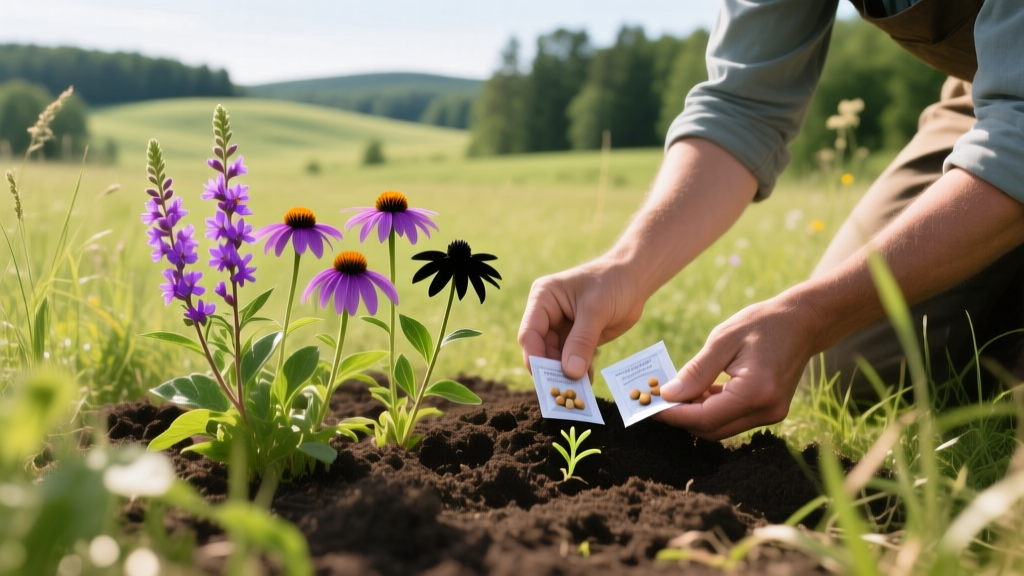
How to Plant Native Wisconsin Wildflowers: A Step-by-Step Guide
Understanding the Wisconsin Native Plant Climate
Wisconsin spans USDA Hardiness Zones 3b through 5b, meaning native flora must endure winter temperatures dropping to -30°F alongside humid, wet summers. Establishing a native wildflower garden in this region requires bypassing generic gardening advice and focusing on localized ecological mechanics. Native species like Purple Coneflower (Echinacea purpurea) and Wild Bergamot (Monarda fistulosa) develop taproots extending 5 to 15 feet deep, making them exceptionally drought-tolerant and stormwater-efficient once established. According to the Xerces Society for Invertebrate Conservation, native wildflower habitats support significantly higher pollinator biomass than non-native ornamental beds.
Phase 1: Site Assessment and No-Till Soil Preparation
The most common failure point in wildflower cultivation is inadequate site preparation. Do not rototill existing turf. Tilling destroys soil structure, disrupts mycorrhizal fungal networks, and brings dormant weed seeds to the surface. Instead, use a no-till smothering method.
Expert Tip: Soil Testing
Before planting, send a soil sample to the UW-Madison Horticulture Extension soil testing lab. Most Wisconsin natives thrive in a pH range of 6.0 to 7.0. If your soil pH exceeds 7.5, avoid acid-loving natives like Lupine and opt for alkaline-tolerant species like Rattlesnake Master (Eryngium yuccifolium).
Before planting, send a soil sample to the UW-Madison Horticulture Extension soil testing lab. Most Wisconsin natives thrive in a pH range of 6.0 to 7.0. If your soil pH exceeds 7.5, avoid acid-loving natives like Lupine and opt for alkaline-tolerant species like Rattlesnake Master (Eryngium yuccifolium).
The Smothering Protocol
- Mow the Area: Cut existing grass or weeds as short as your mower allows (ideally under 2 inches).
- Apply the Barrier: Lay down overlapping layers of uncoated corrugated cardboard or 4-mil black silage plastic. Overlap edges by at least 6 inches to prevent light penetration.
- Mulch Heavily: Cover the barrier with 3 to 4 inches of weed-free straw or aged hardwood mulch. Leave this in place for 6 to 8 weeks during the growing season, or over the entire winter for a spring planting.
Phase 2: Selecting the Right Species for Your Microclimate
Matching plant hydrology requirements to your site's actual moisture retention is critical. A plant labeled "drought-tolerant" will rot in a heavy clay depression that holds water for 48 hours after a rainstorm.
| Botanical Name | Common Name | Soil Moisture | Light Requirement | Bloom Color |
|---|---|---|---|---|
| Asclepias tuberosa | Butterfly Weed | Dry to Medium | Full Sun | Vibrant Orange |
| Asclepias incarnata | Swamp Milkweed | Wet to Medium | Full Sun | Deep Pink |
| Monarda fistulosa | Wild Bergamot | Dry to Medium | Full to Part Sun | Lavender |
| Lobelia siphilitica | Great Blue Lobelia | Wet | Part Shade | True Blue |
| Eryngium yuccifolium | Rattlesnake Master | Medium to Dry | Full Sun | White/Green |
Phase 3: Seed Stratification and Sowing Mechanics
Most Wisconsin native wildflower seeds possess physiological dormancy, requiring a prolonged period of cold, moist conditions to trigger germination. Broadcasting unstratified seed directly onto the soil in spring will result in germination rates below 10%.
Cold Moist Stratification Protocol
- Mix the Medium: Combine 1 part native seed with 3 parts damp (not soaking wet) vermiculite or horticultural sand in a heavy-duty ziplock bag.
- Refrigerate: Place the bag in the crisper drawer of your refrigerator, maintaining a strict temperature between 33°F and 38°F.
- Duration: Leave the seeds for 30 to 60 days, depending on the species. Check weekly for mold; if mold appears, increase airflow and reduce moisture.
- Sow: After stratification, broadcast the seed-vermiculite mix evenly over your prepared bed. Do not bury the seeds. Native wildflower seeds require light to germinate; simply press them into the soil surface using a lawn roller or by walking over the area.
Warning: Invasive Look-Alikes
When sourcing seeds or identifying first-year growth, be vigilant. The Wisconsin DNR warns against confusing native species with invasive counterparts. For example, native Blue Lobelia can be visually masked by invasive Purple Loosestrife (Lythrum salicaria) in wetland areas. Always purchase seeds from certified regional growers to avoid accidental introduction of noxious weeds.
When sourcing seeds or identifying first-year growth, be vigilant. The Wisconsin DNR warns against confusing native species with invasive counterparts. For example, native Blue Lobelia can be visually masked by invasive Purple Loosestrife (Lythrum salicaria) in wetland areas. Always purchase seeds from certified regional growers to avoid accidental introduction of noxious weeds.
Phase 4: Economics of Plugs vs. Seeds
Deciding between planting nursery plugs or sowing stratified seeds depends on your budget, timeline, and the total square footage of your garden.
- Seed Sowing: Costs approximately $30 to $50 per ounce of native seed mix, which covers 100 to 150 square feet. Timeline: Expect mostly vegetative rosettes in Year 1, with the first significant bloom occurring in Year 2 or 3.
- Live Plugs: Deep-plug trays (typically 50-cell) cost between $120 and $180 per tray ($2.40 to $3.60 per plant) from Midwest native nurseries. Timeline: Plugs establish rapidly, often blooming in the first summer and outcompeting annual weeds much faster than seed.
For beds smaller than 200 square feet, plugs offer a higher success rate and immediate visual gratification. For meadow-scale projects exceeding 1,000 square feet, seed broadcasting is the only economically viable option.
Phase 5: First-Year Maintenance and Weed Suppression
The first 12 months dictate the long-term survival of your wildflower planting. Native perennials invest their first year's energy almost entirely into root development, leaving them vulnerable to being smothered by fast-growing annual weeds like foxtail or ragweed.
The 6-Inch Mowing Rule
If you planted from seed, set your mower deck to exactly 6 inches. Mow the area whenever weeds reach 8 to 10 inches tall. This cuts the tops off annual weeds, preventing them from setting seed and shading out the slow-growing native rosettes below, while safely clearing the low-growing native foliage.
Watering Schedules
While native plants are drought-tolerant, they require consistent moisture during their first growing season. Provide 1 inch of water per week (including rainfall) from May through August. Use a rain gauge to measure precipitation and supplement with a sprinkler only when necessary. Avoid shallow, daily watering, which encourages weak, lateral root growth instead of deep taproot development.
Frequently Asked Questions
When is the best time to plant Wisconsin wildflower seeds?
Late fall (November) or winter (December through February) is ideal for dormant seeding. The natural freeze-thaw cycles of the Wisconsin winter will naturally stratify the seeds in the soil, eliminating the need for refrigerator stratification and allowing germination to trigger naturally as soil temperatures reach 50°F in April.
Do I need to fertilize native wildflowers?
No. Applying nitrogen-rich fertilizers to native wildflower beds will cause aggressive, weedy species to overtake the slow-growing natives. Native plants are adapted to the relatively low-nutrient soils of the Midwest; excess fertility leads to weak, floppy stems that require staking.
How do I prepare the garden for winter?
Leave the dead stalks and seed heads standing through the winter. Species like Coneflower and Black-Eyed Susan provide critical overwintering habitat for native bees and food sources for finches. Cut the stalks back to 12 inches in late April, leaving the hollow stems intact as nesting sites for solitary bees.

