
Gardening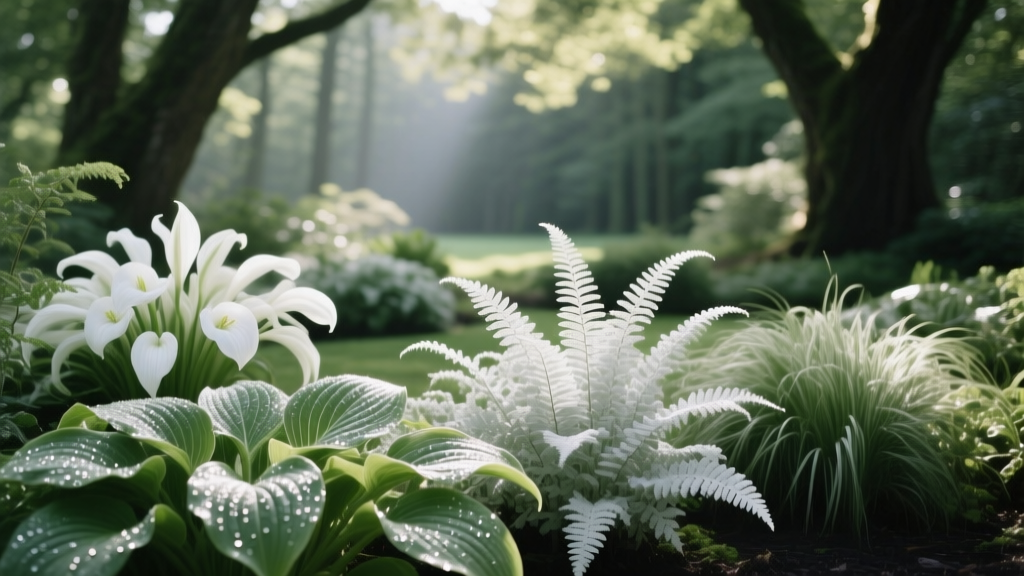
How to Grow White Foliage Plants to Brighten Shade Gardens
Shade gardens often suffer from a lack of visual depth, absorbing light rather than reflecting it. Integrating white foliage plants into these dim areas is one of the most effective design strategies in modern landscaping. Unlike white flowers, which bloom for only a few weeks, white and heavily variegated leaves provide continuous luminosity from early spring through the first autumn frost. However, the genetic mutations that strip these leaves of chlorophyll also make them more demanding to cultivate than their solid-green counterparts.
This practical guide details the exact soil protocols, cultivar selections, and troubleshooting frameworks required to successfully establish and maintain white foliage plants in your garden.
The Botany of White Leaves: Understanding Chlorophyll Deficits
White foliage is not naturally occurring in most temperate perennials; it is the result of genetic chimeras or spontaneous mutations that inhibit chlorophyll production in specific leaf tissues. Because chlorophyll is the engine of photosynthesis, white foliage plants operate at an energy deficit. They produce fewer carbohydrates, resulting in slower growth rates, smaller root systems, and a heightened sensitivity to environmental stress.
Key Takeaway: Because they photosynthesize less efficiently, white foliage plants require nutrient-dense, exceptionally well-draining soil to compensate for their weaker root systems. They cannot tolerate the heavy, waterlogged clay that some green shade plants might survive.
Site Selection and Soil Preparation Protocol
Proper soil architecture is the single most critical factor in preventing root rot and crown failure in variegated and white-leafed specimens. Follow this exact preparation protocol before planting.
Step 1: Light Mapping
White foliage is highly susceptible to UV scorch. Map your garden to identify areas that receive dappled shade or a maximum of 3 to 4 hours of gentle morning sun. Avoid sites with harsh afternoon exposure (between 1:00 PM and 4:00 PM), which will bleach white leaves to a crispy brown within days.
Step 2: The High-Drainage Soil Amendment Recipe
Do not plant white foliage directly into unamended native soil. Excavate the planting hole to twice the width of the root ball and mix the following soil profile:
- 40% Screened Loam: Provides baseline structure and mineral content.
- 30% Organic Compost: Supplies slow-release nutrients and beneficial mycorrhizal fungi.
- 20% Pine Bark Fines: Prevents soil compaction and maintains aeration over multiple seasons.
- 10% Coarse Perlite: Ensures rapid drainage to protect vulnerable, shallow root systems.
Test the soil pH. Most white-leafed shade perennials, particularly Hostas and Caladiums, thrive in a slightly acidic environment. Adjust the pH to 6.0 to 6.5 using elemental sulfur if your native soil is too alkaline, as high pH locks out essential iron and magnesium needed to maintain crisp variegation.
Top White Foliage Varieties: A Performance Matrix
Selecting the right cultivar is vital. Some 'white' plants are actually pale yellow or silver, while others offer stark, brilliant white centers. Below is a performance matrix of top-performing white foliage plants for the 2026 growing season, including current nursery pricing expectations.
| Cultivar | Botanical Name | Hardiness Zones | Mature Size | Est. Cost (1-Gal) |
|---|---|---|---|---|
| Hosta 'Fire and Ice' | Hosta | 3-8 | 12" H x 24" W | $14 - $18 |
| Caladium 'White Christmas' | Caladium bicolor | 9-12 (Tuber) | 18" H x 18" W | $5 - $8 (Tuber) |
| Dusty Miller 'Silver Lace' | Jacobaea maritima | 8-10 (Annual) | 12" H x 12" W | $6 - $10 |
| Lamium 'White Nancy' | Lamium maculatum | 3-8 | 6" H x 24" W | $10 - $14 |
For comprehensive botanical profiles and regional adaptability data, consult the University of Wisconsin-Madison Extension for Hosta specifics, or the University of Florida IFAS Extension for detailed Caladium tuber cultivation guidelines.
Troubleshooting: Reversion, Scorch, and Pests
White foliage plants present unique pathological and environmental challenges. Use this diagnostic framework to address issues as they arise.
Symptom: Solid Green Shoots Emerging from the Crown
- Cause: Genetic reversion. The plant is attempting to survive by producing fully chlorophyll-loaded green tissue, which will eventually outcompete and choke out the white variegated growth.
- Action: Trace the green shoot down to the base of the crown and snap or cut it off completely. Do not cut it midway up the stem, as dormant buds lower on the stalk will simply produce more green growth. According to the Royal Horticultural Society, prompt removal of reverted shoots is the only way to maintain the integrity of chimeral cultivars.
Symptom: Brown, Papery Patches on White Leaf Centers
- Cause: Solar scorch and moisture transpiration. White tissue lacks the protective waxy cuticle density and cellular structure of green tissue, making it lose water rapidly under direct sunlight.
- Action: Relocate the plant to a site with deeper shade. Apply a 3-inch layer of shredded hardwood mulch around the base (keeping it 2 inches away from the crown) to retain soil moisture and lower root-zone temperatures.
Symptom: Irregular Holes and Slime Trails on Leaves
- Cause: Slugs and snails. These pests are highly attracted to the softer, thinner cellular structure of white and variegated leaves compared to tough, dark green foliage.
- Action: Avoid traditional metaldehyde baits, which are toxic to pets and local wildlife. Instead, apply an iron phosphate-based bait (such as Sluggo) at a rate of 1 teaspoon per square yard around the base of the plants in the early evening. Iron phosphate is OMRI-listed for organic gardening and breaks down into beneficial soil iron.
Design Framework: Layering Texture in Moon Gardens
When designing a bed heavily reliant on white foliage plants, you risk creating a flat, monotonous visual plane because the color palette is restricted. To achieve professional-grade landscape design, you must pivot from relying on color contrast to leveraging textural contrast.
- Anchor with Broad, Ribbed Leaves: Use large-leafed Hostas like 'Fire and Ice' or 'Patriot' as the mid-canopy anchor. Their deep venation and broad surface area catch ambient moonlight and landscape uplighting.
- Underplant with Fine, Fuzzy Textures: Contrast the smooth, waxy Hosta leaves with the finely dissected, felt-like foliage of Dusty Miller 'Silver Lace'. This juxtaposition forces the eye to register the difference in leaf architecture.
- Spill with Groundcover: Use Lamium 'White Nancy' to cascade over retaining walls or pathway edges. Its small, scalloped leaves and trailing habit provide a distinct structural contrast to the upright, clumping habits of the perennials above it.
Frequently Asked Questions
Do white foliage plants require more fertilizer than green plants?
No. Over-fertilizing white foliage plants, particularly with high-nitrogen synthetic fertilizers, actually encourages genetic reversion to solid green. Apply a balanced, slow-release organic fertilizer (like a 4-4-4 granular blend) only once in early spring as the shoots emerge.
Can I grow white foliage plants in full sun?
Almost universally, no. A few exceptions exist, such as certain variegated Yuccas or Agaves, but temperate shade perennials with white foliage will suffer severe cellular damage and scorch within 48 hours of exposure to unfiltered, midday summer sun.
Why did my Caladium 'White Christmas' tubers rot over winter?
Caladiums are tropical tubers that require a specific dormancy protocol. If left in cold, damp soil below 55°F (13°C), they will succumb to fungal rot. In zones 8 and below, you must dig the tubers up after the first frost, dry them in a shaded, well-ventilated area for two weeks, and store them in dry peat moss at 65°F to 70°F until spring planting.

