
Gardening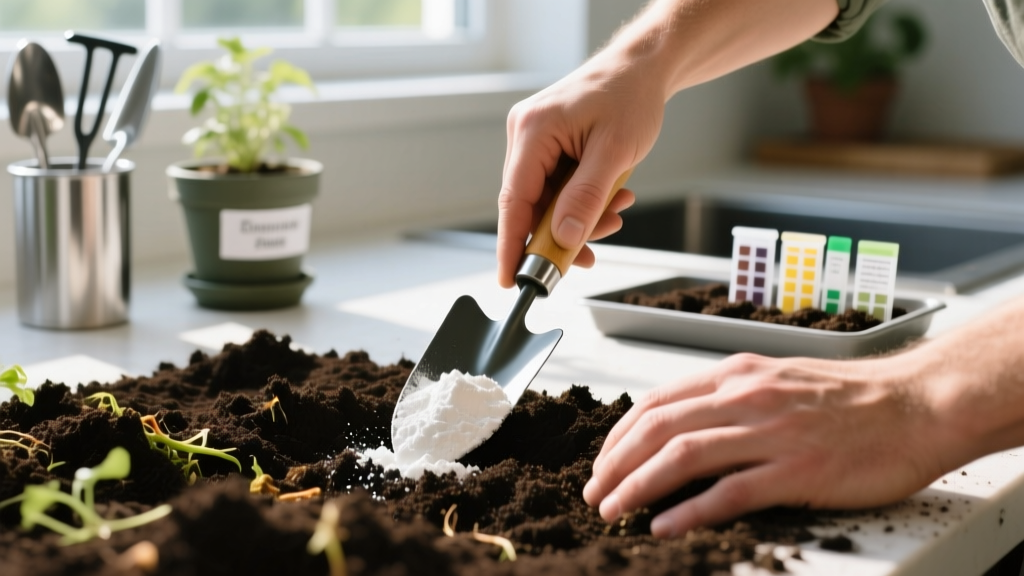
How to Make Soil More Alkaline: Step-by-Step Amendment Guide
The Chemistry of Soil pH and Alkalinity
Understanding how to make soil more alkaline requires a basic grasp of soil chemistry. The pH scale measures hydrogen ion concentration, where 7.0 is neutral, below 7.0 is acidic, and above 7.0 is alkaline. Most garden vegetables and ornamental plants thrive in a slightly acidic to neutral range (6.2 to 7.0). However, if your soil tests below 6.0, essential macronutrients like phosphorus, calcium, and magnesium become chemically bound and unavailable to plant roots. Raising the pH—making the soil more alkaline—unlocks these nutrients and improves soil structure, particularly in heavy clays.
The process of alkalinizing soil is not instantaneous. It involves a chemical neutralization reaction where alkaline amendments react with hydrogen and aluminum ions in the soil, replacing them with base cations like calcium or magnesium. Because this is a chemical reaction occurring within complex soil colloids, the timeline, amendment choice, and incorporation depth are critical to success.
Expert Insight: Never attempt to raise your soil pH without a baseline soil test. Blindly adding alkaline amendments can push your pH past 7.5, triggering severe micronutrient deficiencies (like iron chlorosis) that are far harder to fix than the original acidic soil.
The Prerequisite: Active pH vs. Buffer pH
Before purchasing any amendments, you must obtain a professional laboratory soil test. While home dye kits can tell you your active pH (the current hydrogen ion concentration in the soil water), they cannot tell you your buffer pH. Buffer pH measures the reserve acidity hidden in the soil's clay and organic matter particles.
According to Penn State Extension, two soils might both have an active pH of 5.0, but a heavy clay soil will have a much higher reserve acidity than a sandy soil. Therefore, the clay soil will require significantly more lime to achieve the same pH shift. Your lab report will provide a specific buffer pH reading and a tailored lime recommendation in pounds per 1,000 square feet, eliminating the guesswork.
Amendment Comparison Matrix
Not all alkalizing agents are created equal. The choice of amendment depends on your soil's existing nutrient profile, the speed of reaction required, and the scale of your garden.
| Amendment | Active Ingredient | Reaction Speed | Best Used When | Standard Rate (per 100 sq ft) |
|---|---|---|---|---|
| Calcitic Lime | Calcium Carbonate | Slow (3-6 months) | Soil tests show adequate magnesium levels. | 5 to 10 lbs |
| Dolomitic Lime | Calcium-Magnesium Carbonate | Slow (3-6 months) | Soil tests indicate a magnesium deficiency. | 5 to 10 lbs |
| Wood Ash | Calcium Carbonate + Potassium | Moderate (1-3 months) | Small beds needing a potassium boost; avoid on high-K soils. | Max 2 lbs |
| Baking Soda | Sodium Bicarbonate | Immediate (Days) | Emergency container fixes; never for large-scale garden beds. | 1 tbsp per gallon of water |
Step-by-Step: How to Make Soil More Alkaline with Lime
Agricultural limestone is the gold standard for safely and permanently raising soil pH. It is inexpensive, safe to handle, and provides long-lasting results. Follow this protocol for optimal integration.
- Choose the Right Grind: Purchase pulverized limestone rather than pelletized if you need faster results. Pulverized lime has a larger surface area and reacts with soil acids much quicker. Pelletized lime is easier to spread with a broadcast spreader but takes longer to break down.
- Calculate the Exact Dose: Refer to your lab test. As a general baseline to raise loam soil from a pH of 5.5 to 6.5, you will need approximately 6 lbs of limestone per 100 square feet. For heavy clay, increase this to 8 lbs; for sandy soil, reduce it to 4 lbs.
- Time the Application: Apply lime in the late fall or early winter. Lime is not highly soluble, and it requires moisture and time to react. Applying it months before spring planting gives it the necessary time to neutralize soil acidity.
- Incorporate to Root Depth: Lime does not move downward through the soil profile easily. If you simply top-dress it, only the top inch of soil will become alkaline. You must till or fork the lime into the top 6 to 8 inches of soil where the majority of feeder roots reside.
- Water Thoroughly: After incorporation, water the bed deeply. Moisture is the catalyst that begins the chemical reaction between the calcium carbonate and the soil's hydrogen ions.
Alternative Amendments: Wood Ash and Baking Soda
While lime is the primary tool for alkalinizing soil, gardeners sometimes turn to household byproducts. These require strict adherence to application limits to prevent secondary issues.
Using Hardwood Ash
Wood ash from untreated hardwoods (like oak or maple) contains roughly 25% calcium carbonate, alongside significant amounts of potassium and trace micronutrients. Because it is highly soluble, it acts faster than limestone. However, Texas A&M Agrilife Extension warns that excessive wood ash can lead to dangerous salt buildup and potassium toxicity, which inhibits the plant's ability to absorb magnesium and calcium. Never apply more than 2 pounds of wood ash per 100 square feet annually, and avoid using it around acid-loving plants like blueberries, azaleas, or rhododendrons.
The Baking Soda Myth
Sodium bicarbonate (baking soda) will temporarily raise soil pH, but it is not a viable long-term soil amendment for garden beds. The sodium ions introduced by baking soda can destroy soil structure, causing clay particles to disperse and creating a hard, impermeable crust. Restrict baking soda use exclusively to small container gardens or as a quick, temporary foliar spray for fungal issues, rather than a bulk soil amendment.
Warning: Hydrated Lime
Avoid using hydrated lime (calcium hydroxide) or quicklime (calcium oxide) in home gardens. Often sold as 'builder's lime,' these products are highly caustic, can burn plant roots, and react so violently that they can strip the soil of organic matter and beneficial microbes. Always stick to agricultural limestone (calcium carbonate).
Avoid using hydrated lime (calcium hydroxide) or quicklime (calcium oxide) in home gardens. Often sold as 'builder's lime,' these products are highly caustic, can burn plant roots, and react so violently that they can strip the soil of organic matter and beneficial microbes. Always stick to agricultural limestone (calcium carbonate).
Troubleshooting: The Danger of Nutrient Lockout
The most common failure mode when learning how to make soil more alkaline is over-correction. When soil pH exceeds 7.5, the chemical environment shifts dramatically. Micronutrients—specifically iron, manganese, zinc, and copper—precipitate out of the soil solution and become entirely unavailable to plant roots.
If you notice new plant growth emerging with yellow leaves but distinct green veins (interveinal chlorosis) shortly after a heavy lime application, you have induced iron deficiency. To correct this:
- Apply a liquid chelated iron (specifically Fe-EDDHA, which remains stable in high-pH soils) as a foliar spray for immediate relief.
- Incorporate elemental sulfur or acidic organic matter (like sphagnum peat moss or pine needle mulch) to slowly bring the pH back down to the 6.5 to 7.0 sweet spot.
- Retest the soil in 60 days to monitor the pH trajectory before adding any further amendments.
Maintenance and Retesting Timeline
Soil pH is not a 'set it and forget it' metric. Biological activity, nitrogen fertilizers, and natural rainfall constantly push soil back toward acidity over time. Once you have successfully raised your soil pH and established your desired planting environment, transition to a maintenance schedule. Apply a light top-dressing of pulverized lime (about 2 to 3 lbs per 100 square feet) every two to three years, and conduct a professional laboratory soil test every three years to ensure your buffer pH remains stable. By relying on data rather than guesswork, you maintain the precise alkaline environment your plants need to thrive.

