
Gardening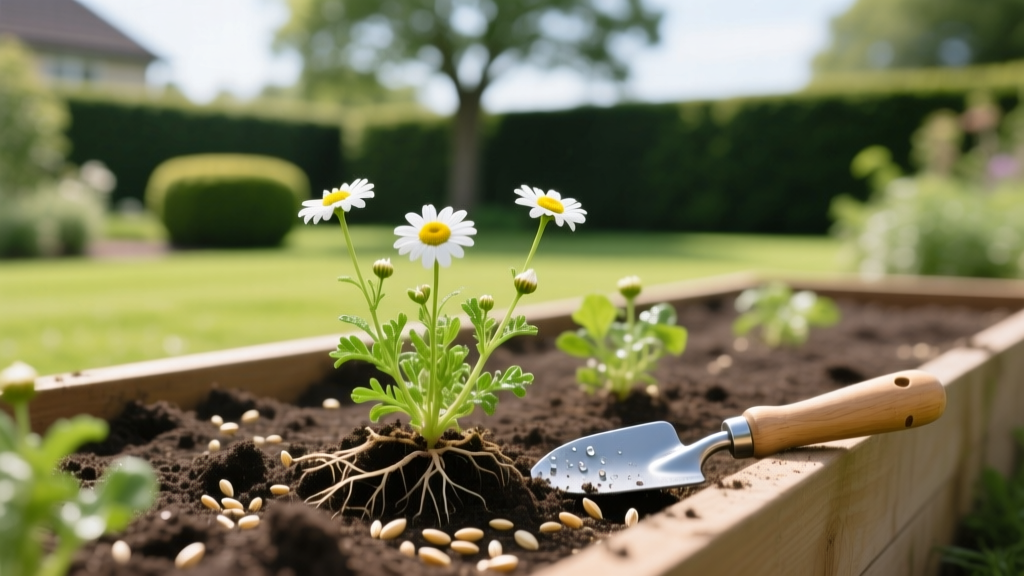
How to Plant Chamomile: A Complete Seed and Transplant Guide
Establishing a healthy chamomile crop requires understanding the distinct differences between its two primary cultivars and respecting their specific germination triggers. While often marketed as a foolproof beginner herb, chamomile (Matricaria recutita and Chamaemelum nobile) fails most frequently during the first 14 days due to improper sowing depth and excessive soil moisture. This guide details the exact soil parameters, sowing techniques, and environmental controls required to successfully plant and establish chamomile in your garden.
German vs. Roman Chamomile: Choosing Your Variety
Before preparing your soil, you must select the correct variety for your landscape goals. German chamomile is an annual grown primarily for high-yield tea production, while Roman chamomile is a perennial groundcover. According to the NC State Extension Plant Database, their growth habits and establishment requirements differ significantly.
| Feature | German Chamomile (Matricaria recutita) | Roman Chamomile (Chamaemelum nobile) |
|---|---|---|
| Lifecycle | Annual (self-seeds readily) | Perennial (Zones 4-9) |
| Growth Habit | Upright, bushy (18-36 inches tall) | Creeping, mat-forming (3-6 inches tall) |
| Primary Use | High-volume tea harvesting | Groundcover, lawn alternative, light tea |
| Spacing Requirement | 8 to 10 inches apart | 12 to 18 inches apart |
| Flower Yield | High (continuous bloom if deadheaded) | Moderate (sporadic summer blooming) |
Soil Preparation and Site Selection
Chamomile thrives in poor to average soils and will suffer in heavily amended, nitrogen-rich beds. High nitrogen levels promote lush, weak-stemmed vegetative growth at the expense of flower production, leading to "lodging" where stems collapse under their own weight.
Target Soil Metrics
- pH Level: 5.6 to 7.5. Chamomile is highly adaptable but prefers slightly acidic to neutral soil.
- Drainage: Excellent. Roots will succumb to phytophthora root rot in heavy, waterlogged clay.
- Fertility: Low. Avoid synthetic fertilizers, blood meal, or heavy manure applications.
If your native soil is heavy clay, amend the top 8 inches with 30% coarse horticultural sand and 20% organic compost by volume to improve percolation. For sandy soils that drain too quickly, a 1-inch top-dressing of compost will help retain just enough moisture for seedling establishment without creating a bog.
Step-by-Step: How to Plant Chamomile from Seed
Chamomile seeds are exceptionally fine—resembling dust—and require light to trigger germination. Burying them is the most common cause of crop failure. A standard $4 packet of German chamomile seeds contains over 5,000 seeds, making direct sowing highly economical compared to purchasing $6 nursery transplants.
Indoor Seed Starting (6-8 Weeks Before Last Frost)
- Prepare the Medium: Fill shallow seed trays with a sterile, fine-textured seed-starting mix. Pre-moisten the mix until it feels like a wrung-out sponge.
- Surface Sow: Sprinkle the seeds evenly across the surface. Do not cover them with soil. Instead, gently press them into the medium using a flat piece of cardboard to ensure good seed-to-soil contact.
- Provide Light and Heat: Place the trays under LED grow lights positioned 2 to 3 inches above the surface. Maintain a consistent ambient temperature of 65°F to 70°F (18°C to 21°C).
- Mist Daily: Use a fine-mist spray bottle to keep the surface damp. Avoid pouring water, which will displace the tiny seeds.
- Germination: Sprouts will emerge in 7 to 14 days. Once true leaves appear, thin seedlings to one per cell by snipping the weaker plants at the soil line with micro-snips.
Direct Sowing Outdoors
Direct sow German chamomile in early spring when soil temperatures reach 55°F. Rake the soil smooth, broadcast the seeds mixed with fine sand (to ensure even distribution), and lightly tamp the soil with the back of a steel rake. Keep the top 1/4 inch of soil consistently moist until emergence.
Transplanting Nursery Starts
If you prefer to plant established nursery starts, harden them off over a 7-day period. Place them in a sheltered, shaded outdoor area for 2 hours on day one, increasing outdoor exposure by 1 to 2 hours daily while gradually introducing them to direct sunlight.
When transplanting, dig a hole exactly the size of the root ball. Do not plant the crown deeper than it was in the nursery pot; burying the crown invites fungal stem rot. Water the transplant immediately with a diluted liquid kelp solution (1 tablespoon per gallon of water) to reduce transplant shock and stimulate root growth without adding excess nitrogen.
⚠️ Warning: The Damping-Off Threat
Chamomile seedlings are highly susceptible to damping-off, a fungal disease that causes stems to pinch and collapse at the soil line. This is triggered by poor air circulation and overwatering. The Fix: Remove humidity domes immediately upon germination. Run an oscillating fan on a low setting 12 hours a day to strengthen stems and evaporate surface moisture. If damping-off appears, dust the soil surface lightly with ground cinnamon, which acts as a natural, mild fungicide.
Ongoing Care: Watering and Pruning Protocols
Once established, chamomile is remarkably drought-tolerant. However, precise water management dictates the concentration of essential oils (bisabolol and chamazulene) in the flowers.
- Vegetative Stage: Provide 1 inch of water per week to encourage deep root establishment and strong stem development.
- Flowering Stage: Reduce watering to 0.5 inches per week. Mild drought stress during the blooming phase forces the plant to concentrate its essential oils, resulting in a significantly more potent and flavorful harvest.
- Pruning: For German chamomile, harvest flowers frequently to prevent the plant from shifting energy into seed production. If the plant becomes leggy in mid-summer, shear it back by one-third to stimulate a second, denser flush of blooms in late summer.
Troubleshooting Pests and Diseases
Chamomile's strong scent naturally repels many common garden pests, making it an excellent companion plant for brassicas and alliums. However, it is not entirely immune.
| Issue | Symptoms | Targeted Treatment |
|---|---|---|
| Aphids | Clustered on new growth; sticky honeydew residue. | Spray with insecticidal soap (2.5 tbsp per gallon of water) at dusk to avoid harming foraging pollinators. |
| Powdery Mildew | White, dusty fungal spots on foliage. | Improve spacing to 10+ inches. Apply neem oil (2 tbsp per gallon) as a preventive foliar spray every 14 days during humid spells. |
| Root Rot | Yellowing lower leaves; mushy, dark brown roots. | Reduce watering frequency immediately. Amend surrounding soil with perlite or coarse sand to increase aeration. |
Harvesting and Drying for Optimal Flavor
The timing of your harvest directly impacts the medicinal and culinary quality of the chamomile. According to the NC State Extension guidelines on herb harvesting, essential oil peaks just after the flower fully opens but before the petals begin to droop.
When to Pick: Harvest flower heads when the white petals are fully extended and beginning to reflex (bend slightly backward) away from the central yellow cone. Pinch the stem just below the flower head with your thumb and forefinger, or use floral snips for a cleaner cut.
Drying Protocol: Rinse the flowers gently only if necessary, and pat them completely dry. Spread them in a single layer on a mesh dehydrator screen. Set the dehydrator to 95°F–115°F (35°C–46°C). Higher temperatures will volatilize and destroy the delicate essential oils. Drying typically takes 12 to 18 hours. The flowers are fully dry when the yellow centers crumble easily between your fingers. Store in an airtight, amber glass jar away from direct sunlight to preserve the chemical profile for up to 12 months.

