
Gardening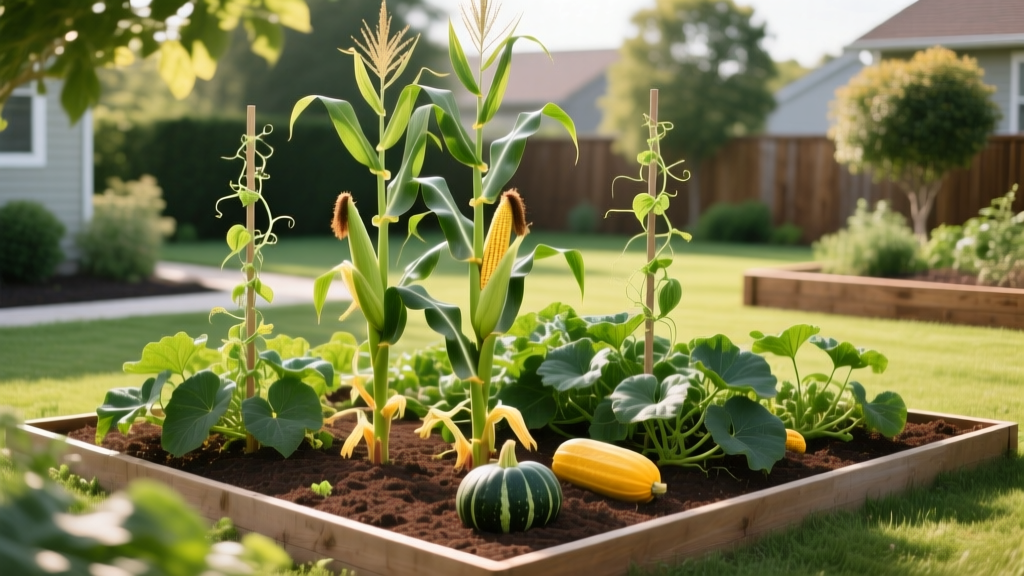
How to Plant the Three Sisters: Step-by-Step Companion Garden Guide
The Agronomic Science Behind the Three Sisters
The Three Sisters planting method, originally developed by the Haudenosaunee (Iroquois) and other Indigenous peoples of North America, is a highly sophisticated polyculture system. It is not merely a companion planting novelty; it is a mathematically and biologically optimized agricultural framework. When you learn how to plant the three sisters correctly, you are establishing a self-sustaining micro-ecosystem that maximizes spatial efficiency, nitrogen fixation, and moisture retention.
The system relies on three distinct crops: corn (Zea mays), pole beans (Phaseolus vulgaris), and squash (Cucurbita spp.). The corn provides a structural trellis for the beans. The beans, hosting nitrogen-fixing Rhizobium bacteria on their root nodules, pull atmospheric nitrogen into the soil to feed the heavy-feeding corn. The squash acts as a living mulch, its broad leaves shading the soil to suppress weeds, retain moisture, and deter pests with their prickly vines. According to Penn State Extension, this triad yields more calories and protein per square foot than planting any of the three crops in isolation.
Selecting the Right Heirloom Varieties
The most common failure mode in modern Three Sisters gardens is selecting the wrong cultivars. Modern sweet corn stalks are often too weak to support heavy bean loads, and bush beans will not climb. You must select specific heirloom or open-pollinated varieties engineered for this exact structural relationship.
| Crop | Required Type | Recommended Heirloom Varieties | Why It Works |
|---|---|---|---|
| Corn | Tall, sturdy dent or flour corn | Bloody Butcher, Hickory King, Cherokee White Eagle | Reaches 8-12 feet; thick stalks support 10+ lbs of bean vines without lodging. |
| Beans | Vigorous pole (climbing) beans | Kentucky Wonder, Cherokee Trail of Tears, Scarlet Runner | Twining habit wraps securely around corn; high nitrogen fixation rates. |
| Squash | Vining winter or large-leaf summer squash | Waltham Butternut, Black Futsu, Howden Pumpkin | Aggressive horizontal vine growth; large canopy shades out competing weeds. |
Sourcing authentic, genetically stable seeds is critical. Organizations like the Seed Savers Exchange maintain vital heirloom lineages that have been adapted to polyculture systems for centuries, ensuring the structural integrity required for this planting method.
Soil Preparation and Mound Construction
Do not plant the Three Sisters in flat rows. The traditional mound (or "hill") construction is non-negotiable for drainage, soil warming, and root aeration.
Step-by-Step Mound Building
- Test and Amend: Target a soil pH between 6.0 and 6.8. Corn is a heavy feeder. Two weeks before planting, work 3 inches of aged compost and 2 cups of alfalfa meal or a high-nitrogen organic fertilizer (like Neptune's Harvest Fish Emulsion 4-2-1) into the top 8 inches of the planting area.
- Form the Mound: Use a spade to pull topsoil from the surrounding 4-foot radius into the center, building an 18-inch peak. Flatten the top of the mound to create a 12-inch wide plateau. This plateau prevents water runoff and creates a basin for irrigation.
- Pre-Water: Deeply soak the newly formed mounds 48 hours before planting to settle the soil and eliminate large air pockets that could dry out tender seedling roots.
The Staggered Planting Timeline
Planting all three seeds on the same day is a guaranteed way to destroy your garden. If beans and corn germinate simultaneously, the rapid vertical growth of the beans will outpace the corn, pulling the young stalks to the ground. You must use a staggered planting schedule based on plant height, not just calendar days.
Phase 1: The Corn (Day 0)
Wait until soil temperatures consistently reach 60°F at a 2-inch depth. On the flattened top of your mound, plant 6 to 8 corn seeds in a circle, spaced 6 inches apart and 1.5 inches deep. Water gently. Once the corn seedlings emerge and reach 4 inches tall, thin them to the 4 strongest stalks per mound.
Phase 2: The Beans (Day 14 to 21)
Do not plant beans until the corn stalks are at least 6 to 8 inches tall. Plant 4 pole bean seeds around the base of the corn stalks, about 3 inches away from the corn stem and 1 inch deep. As the beans emerge, they will naturally seek out the corn stalks to begin their counter-clockwise twining ascent.
Phase 3: The Squash (Day 21 to 28)
Once the beans have begun to climb, plant 4 to 6 squash seeds around the outer perimeter of the mound's base, about 12 inches from the edge. Plant them 1 inch deep. When the squash seedlings develop their first true leaves, thin them to 2 vigorous plants per mound to prevent excessive competition for water.
Maintenance, Watering, and Side-Dressing
The Three Sisters system is relatively low-maintenance once established, but the corn requires targeted feeding during its vegetative growth spurts.
- Watering: The squash leaves will hide the soil, making it difficult to judge moisture. Use a soil moisture probe. Water deeply at the base of the mound (avoiding wetting the squash leaves to prevent powdery mildew) when the top 3 inches of soil feel dry. Drip irrigation lines snaking around the base of the mound are highly recommended for 2026 water-conservation standards.
- Side-Dressing: When the corn reaches 12 inches tall, apply a second application of high-nitrogen fertilizer (such as blood meal or fish emulsion) in a ring around the mound. Apply a third, lighter dose when the corn begins to tassel.
- Weeding: Hand-pull any weeds that emerge before the squash canopy closes. Once the squash leaves overlap, the living mulch will block 95% of sunlight from reaching weed seeds.
Troubleshooting Common Failure Modes
Even experienced gardeners encounter edge cases when adapting this indigenous method to modern backyard soils. Here is how to diagnose and correct the most frequent issues, as outlined by agricultural researchers at the University of Maine Extension.
Beans Pulling Down the Corn
Cause: Planting beans too early, or using a pole bean variety that is too aggressive for the corn stalk's thickness.
Fix: If beans outgrow the corn, gently unwrap the bean vines and lay them on the ground for a few days until the corn grows taller. In future seasons, switch to a slightly less aggressive bean variety like 'Hidatsa Shield' rather than 'Scarlet Runner'.
Corn Stalks Lodging (Falling Over) in Wind
Cause: Mounds were built too small, restricting the corn's lateral root spread, or the corn variety was a weak-stalked sweet corn.
Fix: Hill up additional soil around the base of the corn stalks when they reach 2 feet tall to encourage secondary brace root formation. Never use standard grocery-store sweet corn varieties for this system.
Squash Vine Borers Destroying the Canopy
Cause: Local pest pressure from Melittia cucurbitae.
Fix: Wrap the base of the squash vines with aluminum foil or botanical wrap for the first 3 inches above the soil line to prevent adult moths from laying eggs. Apply Bacillus thuringiensis (Bt) spray to the vine nodes weekly during early summer.
Harvesting the Polyculture
Harvesting a Three Sisters garden requires a shift in perspective. If you planted dent or flour corn, leave the ears on the stalk until the husks are completely brown and dry. Harvest the pole beans as dry beans once the pods rattle, or pick them as snap beans during the mid-summer to encourage continuous flowering. The squash should remain on the vine until the first light frost kills the foliage, which concentrates the sugars in the fruit and hardens the rind for long-term winter storage in a cool, dry basement or root cellar.

