
Gardening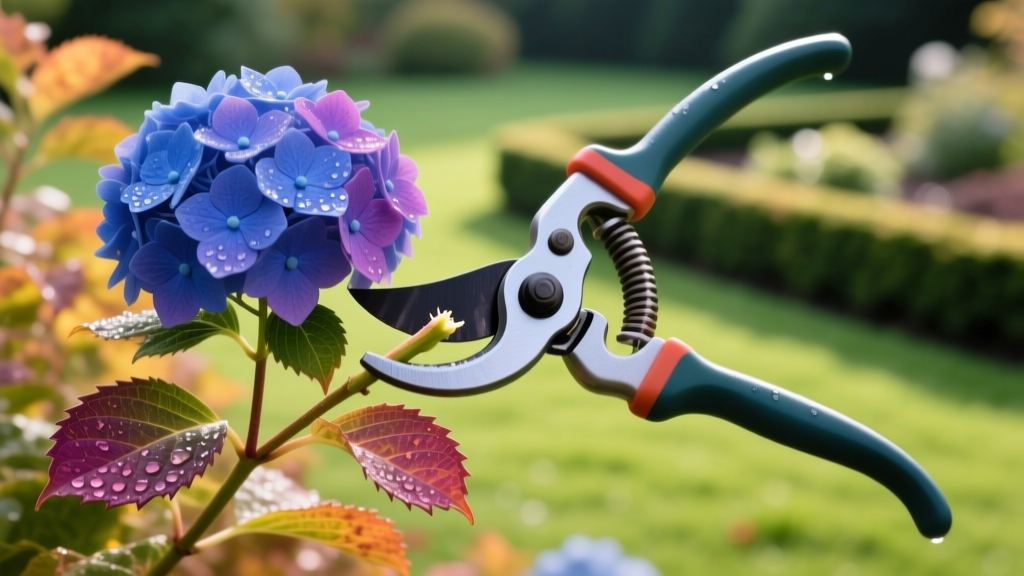
Do You Cut Back Hydrangea Plants in the Fall? A Pruning Guide
The Short Answer: Do You Cut Back Hydrangea Plants in the Fall?
When homeowners ask, "do you cut back hydrangea plants in the fall?" the answer requires a botanical breakdown rather than a simple yes or no. The short answer is that most hydrangeas should NOT be cut back in the fall. Pruning at the wrong time is the single most common reason gardeners fail to see blooms the following summer. However, a select few varieties actually benefit from autumn or late-winter pruning. To avoid destroying next year's flower buds, you must first identify exactly which species of hydrangea is growing in your landscape.
The Botanical Divide: Old Wood vs. New Wood
Hydrangeas are categorized by the type of wood on which they produce flower buds. Understanding this mechanism is critical for timing your cuts.
- Old Wood Bloomers: These species form their flower buds for the following year in late summer (usually August and September). If you cut these stems back in October or November, you are physically removing the microscopic buds that have already formed, guaranteeing a leafy, flowerless shrub next spring.
- New Wood Bloomers: These species go completely dormant in winter and produce new stems in the spring. The flower buds form on this fresh spring growth. Cutting them back in the fall or late winter will not harm the bloom cycle and can actually stimulate more vigorous, thicker stems.
Warning on Re-Blooming Varieties: Modern cultivars like the 'Endless Summer' collection (including BloomStruck and Twist-n-Shout) are remontant, meaning they bloom on both old and new wood. While it is technically safe to prune them in fall without losing the late-summer flush, you will sacrifice the massive, primary spring bloom that forms on the old wood. For maximum floral impact, avoid fall pruning even on remontant varieties.
Hydrangea Identification Matrix
Before making a single cut, use this matrix to identify your plant. Look at the leaves and the shape of the dried autumn blooms.
| Species | Common Names | Leaf & Bloom Traits | Wood Type | Fall Pruning Verdict |
|---|---|---|---|---|
| H. macrophylla | Bigleaf, Mophead, Lacecap | Thick, glossy, serrated leaves; large spherical or flat blooms | Old Wood | DO NOT CUT |
| H. quercifolia | Oakleaf | Lobed leaves resembling oak leaves; cone-shaped white blooms | Old Wood | DO NOT CUT |
| H. petiolaris | Climbing | Vine-like, heart-shaped leaves; flat white lacecap blooms | Old Wood | DO NOT CUT |
| H. paniculata | Panicle, PeeGee | Smaller, rough leaves; large conical blooms that turn pink/brown | New Wood | CAN CUT |
| H. arborescens | Smooth, Annabelle | Heart-shaped, thin leaves; massive spherical white blooms | New Wood | CAN CUT |
For deeper botanical identification and regional cultivar recommendations, the Clemson University Cooperative Extension provides an excellent visual database of species native and adapted to North American landscapes.
Species-Specific Fall Pruning Protocols
Bigleaf, Oakleaf, and Climbing Hydrangeas (Old Wood)
If you have identified your plant as a macrophylla, quercifolia, or petiolaris, put your pruning shears away. In the fall, your only task is to gently remove completely dead, diseased, or broken branches at the base of the plant. Do not reduce the height or shape the shrub. According to horticultural experts at the University of Maryland Extension, pruning these varieties in autumn removes the apical meristems where the spring floral inflorescences are already stored. If your bigleaf hydrangea has outgrown its space, you must wait until immediately after it finishes blooming in early summer to perform structural pruning.
Panicle and Smooth Hydrangeas (New Wood)
Panicle (H. paniculata) and Smooth (H. arborescens) hydrangeas are forgiving. Because they bloom on new wood, you can cut them back in the fall without sacrificing next year's flowers. However, most professional landscapers recommend waiting until late winter or early spring (just before bud break in March) rather than late autumn. Leaving the dried, papery panicles and heavy mopheads on the plant through the winter provides crucial structural interest in the dormant garden and offers shelter for overwintering beneficial insects. If heavy, wet snow loads threaten to snap the stems of an 'Annabelle' smooth hydrangea, you can selectively cut them back to 18 inches in late fall, but spring is generally preferred.
Deadheading vs. Hard Pruning: Know the Difference
Many gardeners confuse deadheading with pruning. Deadheading is the cosmetic removal of spent flower heads and is safe for all hydrangea species in the fall.
How to Deadhead Correctly: Follow the stem down from the dried, faded bloom until you reach the first set of healthy, plump leaf nodes or lateral buds. Using a sharp bypass pruner (like the Felco F-2 Classic, retailing around $60), make a clean 45-degree angle cut exactly 1/4 inch above those nodes. This tidies the plant without cutting deep into the wood where next year's buds reside on old-wood varieties.
The Ultimate Fall Hydrangea Maintenance Checklist
Instead of reaching for the pruning saw, focus your autumn efforts on soil health and winterization. Follow this actionable checklist to prepare your hydrangeas for dormancy:
- Clean the Drip Line: Rake away fallen, decaying leaves from the base of the plant. Hydrangea foliage left on the soil can harbor fungal spores responsible for Cercospora leaf spot, which will reinfect the new foliage next spring.
- Adjust Soil pH (Macrophylla Only): If you want to shift your bigleaf hydrangea's color, fall is the time to amend the soil. To achieve blue blooms, apply elemental sulfur to lower the soil pH to 5.0-5.5, making naturally occurring aluminum available to the roots. For pink blooms, apply garden lime to raise the pH to 6.0-6.5. Always perform a soil test first; the University of Minnesota Extension emphasizes that amending without testing can lead to toxic aluminum levels or nutrient lockout.
- Apply Winter Mulch: After the ground has experienced its first hard freeze (to prevent rodents from nesting in warm soil), apply a 2-to-3-inch layer of shredded hardwood bark or pine needles over the root zone. Crucial detail: Keep the mulch exactly 3 inches away from the main basal stems to prevent crown rot and vole girdling.
- Wrap for Cold Zones: If you are growing H. macrophylla in USDA Zones 4 or 5, construct a burlap cage around the shrub and fill it loosely with dry oak leaves or straw to insulate the fragile old-wood flower buds from desiccating winter winds.
By shifting your focus from aggressive fall cutting to precise identification, targeted deadheading, and soil preparation, you will ensure your hydrangeas return with vigorous growth and massive floral displays next season.

