
Gardening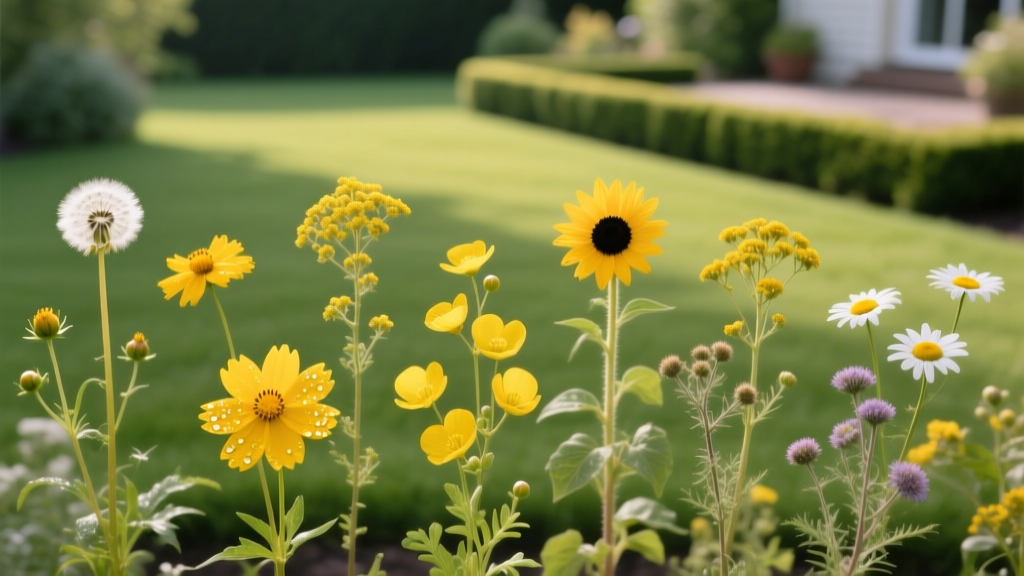
Identifying 12 Common Types of Yellow Flower in Home Gardens
Yellow pigments in plants, primarily derived from carotenoids and flavonoids, serve as critical visual beacons for pollinators while adding high-contrast warmth to landscape designs. Identifying the specific types of yellow flower in your garden requires moving beyond basic color recognition to analyze inflorescence structures, foliage morphology, and blooming phenology. Whether you are managing a xeriscape installation or a shaded woodland border, accurate identification dictates your soil amendment strategy, pruning schedule, and integrated pest management protocols.
The Botanical Framework for Identifying Yellow Blooms
Before cataloging specific species, it is essential to understand the structural families that dominate the yellow spectrum. The vast majority of yellow garden flowers belong to the Asteraceae (daisy) family. What appears to be a single flower is actually a composite inflorescence comprising hundreds of tiny disc florets in the center surrounded by ray florets (the 'petals'). Recognizing this composite structure immediately narrows your identification down to species like Rudbeckia, Coreopsis, and Helianthus. Conversely, yellow flowers with distinct, separate petals and prominent stamens often belong to the Ranunculaceae (buttercup) or Paeoniaceae families. Consulting the Missouri Botanical Garden Plant Finder database can help verify these structural traits against regional cultivars.
Sun-Loving Perennial Types of Yellow Flower (Full Sun Matrix)
For borders receiving a minimum of six hours of direct, unfiltered sunlight, herbaceous perennials provide reliable, compounding color year over year. The following matrix details four foundational perennial types of yellow flower, including their specific cultivar performance metrics and soil requirements.
| Botanical Name | Cultivar Example | USDA Zones | Bloom Period | Soil pH Preference |
|---|---|---|---|---|
| Rudbeckia fulgida | 'Goldsturm' | 3 - 9 | July - September | 6.0 - 7.0 |
| Coreopsis verticillata | 'Moonbeam' | 3 - 9 | June - August | 6.0 - 6.8 |
| Achillea filipendulina | 'Coronation Gold' | 3 - 8 | June - August | 6.0 - 7.5 |
| Solidago rugosa | 'Fireworks' | 4 - 9 | August - October | 5.5 - 7.0 |
Shade-Tolerant Yellow Bloomers for Woodland Gardens
Yellow pigments are particularly effective at brightening low-light garden zones where blue and purple flowers tend to visually disappear. However, shade-tolerant yellow bloomers demand precise microclimate management.
- Yellow Corydalis (Corydalis lutea): Thrives in USDA zones 5-8 and requires alkaline soil (pH 7.0-7.5). Unlike most shade plants, it self-seeds aggressively in mortar cracks and rocky crevices, making it ideal for alpine rock gardens or retaining wall plantings. It features finely dissected, fern-like foliage and tubular yellow blooms from late spring through early autumn.
- Winter Aconite (Eranthis hyemalis): A highly specialized ephemeral that blooms in late winter (February-March), often pushing through snow. It requires heavy, moisture-retentive loam and goes completely dormant by late May. Note that its tubers are highly toxic if ingested.
- Yellow Foxglove (Digitalis grandiflora): A biennial or short-lived perennial reaching 36 inches in height. It requires acidic to neutral soil (pH 5.5-6.5) and produces large, pendulous tubular flowers with distinct brown interior spotting. It performs best in dappled shade beneath deciduous canopies.
Annual Yellow Flowers for Rapid Color Infusion
When establishing a new garden bed or replacing winter-killed perennials, annuals offer immediate canopy coverage and continuous blooming cycles until the first hard frost.
French Marigold (Tagetes patula)
Specifically the 'Lemon Drop' or 'Golden Guardian' cultivars. Beyond their vibrant yellow ray florets, French marigolds secrete alpha-terthienyl from their root systems, a biochemical compound proven to suppress root-knot nematodes (Meloidogyne spp.) in the surrounding soil. Plant them at 8-inch intervals in vegetable garden borders for both color and biological pest control.
Zinnia (Zinnia elegans)
The 'Profusion Yellow' series represents a major breakthrough in disease resistance. While standard zinnias are highly susceptible to powdery mildew (Golovinomyces cichoracearum) in late-summer humidity, the Profusion series maintains clean, bright yellow foliage and 2-inch blooms without the need for preventative fungicide applications. Sow seeds directly into soil warmed to at least 70°F.
⚠️ Toxicity and Pet Safety Warning
When selecting types of yellow flower for homes with dogs or cats, cross-reference your choices with the ASPCA Toxic and Non-Toxic Plants database. While Sunflowers and Marigolds are generally safe, Yellow Oleander (Thevetia peruviana) and Yellow Foxglove (Digitalis) contain cardiac glycosides that are fatally toxic to pets even in small ingestion amounts. Always verify the exact botanical name before planting in accessible yard areas.
Troubleshooting Fading Yellow Pigments
Homeowners often mistake nutrient deficiencies for natural petal fading. It is critical to distinguish between true pigment degradation and chlorosis.
- Interveinal Chlorosis (Foliage): If the leaves of your yellow-flowering plants turn pale yellow while the veins remain green, this indicates an iron deficiency, commonly caused by high soil pH locking up micronutrients. Apply chelated iron (Fe-EDDHA) at a rate of 2 oz per 100 square feet to restore leaf health without altering the soil pH permanently.
- Petal Fading (Anthocyanin Masking): If the actual yellow petals turn brown or pale white as they age, this is often due to UV degradation of carotenoids combined with the late-stage production of anthocyanins. Deadheading spent blooms every 48 hours redirects the plant's energy from seed production back into generating new, pigment-rich flower buds.
Expert Identification Field Checklist
When encountering an unknown yellow bloom in your landscape, follow this sequential diagnostic flow to narrow down the species:
- Count the Petals: If the 'petals' number in the dozens and merge into a central disc, classify as Asteraceae (e.g., Black-eyed Susan, Sunflower). If there are exactly 4 to 6 distinct petals, investigate Brassicaceae or Ranunculaceae.
- Examine the Foliage Arrangement: Are the leaves opposite (growing in pairs along the stem) or alternate? Opposite leaves strongly suggest Coreopsis or Zinnia, while alternate leaves point toward Rudbeckia or Solidago.
- Check the Stem Profile: Square stems indicate the mint family (Lamiaceae), though true yellow blooms here are rare. Round, hairy stems are typical of Asteraceae yellow bloomers.
- Analyze the Root Structure: Carefully excavate a small section. Rhizomatous spreaders (like Helianthus) will have thick, horizontal underground stems, while taprooted species (like Rudbeckia) will resist transplantation.
- Consult Regional Databases: Use the Royal Horticultural Society (RHS) Plant Finder or your local university extension database to match your physical observations against localized blooming calendars.
Accurate identification of the types of yellow flower in your garden is the foundational step toward optimizing soil chemistry, managing water retention, and ensuring long-term pollinator health. By leveraging botanical structures rather than relying solely on color, you can build a highly resilient, visually striking landscape.

