
Gardening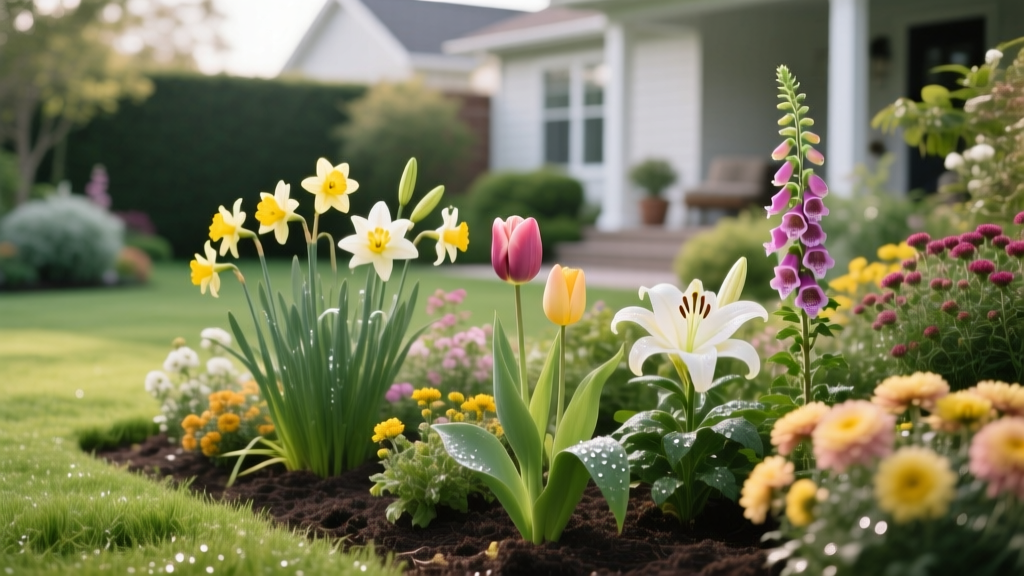
How to Audit Your Yard for Flowers Harmful to Dogs
The Biochemistry of Canine Plant Toxicity
Designing a landscape that balances aesthetic appeal with pet safety requires more than guessing which plants might cause an upset stomach. When evaluating flowers harmful to dogs, you must understand the specific biochemical compounds they contain. Canine metabolism processes plant alkaloids, glycosides, and oxalates very differently than human or feline systems. For instance, while a human might handle a daffodil bulb without issue, the lycorine alkaloid concentrated in the bulb's outer tunic can trigger severe tissue irritation, violent emesis, and cardiac arrhythmias in a 50-pound Labrador Retriever after ingesting just a few grams.
According to the ASPCA Animal Poison Control Center, spring-blooming bulbs and late-summer perennials account for the highest volume of seasonal toxicological emergencies. The danger is rarely in the petals; it is usually concentrated in the roots, bulbs, or seeds. Understanding this distribution is the first step in conducting a thorough garden audit.
⚠️ Critical Toxicity Warning: Never assume that because a flower is sold at a mainstream home improvement nursery, it is safe for pets. Many highly toxic ornamentals, such as Oleander (Nerium oleander) and Lily of the Valley (Convallaria majalis), are staple landscaping plants in USDA Zones 7-10. Ingestion of a single Oleander leaf can be fatal to a medium-sized dog due to the presence of cardiac glycosides like oleandrin.
Step-by-Step Yard Audit Protocol
To systematically identify and remove flowers harmful to dogs, follow this four-phase audit process. This methodology ensures you do not miss dormant bulbs or toxic groundcovers hiding beneath larger shrubs.
- Phase 1: The Perimeter Walk (Early Spring)
Walk the entire property line and garden bed edges before spring foliage fully emerges. Look for the distinctive shoots of toxic bulbs like tulips and hyacinths pushing through the soil. Mark these zones with landscaping flags. - Phase 2: Microclimate Inspection
Dogs often seek out cool, shaded microclimates to rest. Inspect all shaded garden pockets, particularly under decks or near AC units, for toxic shade-lovers like Foxglove (Digitalis purpurea) and Hostas (which contain saponins that cause severe gastrointestinal distress). - Phase 3: The Digging Zone Assessment
Identify areas where your dog naturally digs. If these zones contain bulbous plants, the risk of toxicity multiplies by ten, as digging exposes the highly concentrated toxic roots. Plan to excavate and replace the soil in these specific zones. - Phase 4: Hardscape and Mulch Check
While not a flower, cocoa bean mulch is frequently used in flower beds and contains theobromine—the same compound that makes chocolate toxic to dogs. Remove any cocoa mulch immediately and replace it with untreated cedar or pine bark.
High-Risk Offenders: Flowers Harmful to Dogs
Use the matrix below to cross-reference the current flora in your garden. The toxicity levels are categorized based on the severity of the clinical outcome, ranging from mild gastrointestinal upset to fatal systemic organ failure.
| Common Name | Botanical Name | Primary Toxin | Canine Symptoms | Danger Level |
|---|---|---|---|---|
| Tulip | Tulipa spp. | Tulipalin A & B | Drooling, vomiting, depression, central nervous system depression | Moderate |
| Daffodil | Narcissus spp. | Lycorine | Severe vomiting, diarrhea, abdominal pain, cardiac arrhythmias | High |
| Lily of the Valley | Convallaria majalis | Cardiac Glycosides | Vomiting, slowed heart rate, severe cardiac arrest, seizures | Fatal |
| Chrysanthemum | Chrysanthemum spp. | Pyrethrins | Dermatitis, excessive salivation, vomiting, lack of coordination | Moderate |
| Hyacinth | Hyacinthus orientalis | Calcium Oxalate Crystals | Intense oral pain, pawing at mouth, esophageal tissue damage | Moderate |
For a comprehensive, continuously updated database of regional flora, cross-reference your yard with the Cornell University Poisonous Plants Index. Their database provides detailed veterinary pathology reports on ingestion thresholds for various canine weight classes.
The Safe Swap Framework: Dog-Approved Alternatives
Removing toxic plants leaves gaps in your landscape design. Rather than leaving bare soil—which invites weeds and encourages digging—replant immediately with vet-approved, non-toxic cultivars. Below is a curated selection of safe alternatives, categorized by sunlight requirements, complete with current nursery pricing and soil specifications.
Full Sun Replacements (6+ Hours Direct Light)
- Zinnia (Zinnia elegans): A robust annual that provides vibrant color from early summer to the first frost. Completely non-toxic. Cost: $3.50 - $5.00 per 4-inch pot. Soil pH: 5.5 to 7.5. Requires well-draining loam; avoid heavy clay to prevent root rot.
- Calendula (Calendula officinalis): Not only safe for dogs, but the petals are also edible and possess mild anti-inflammatory properties. Cost: $4.00 - $6.50 per 6-inch pot. Planting tip: Deadhead spent blooms every 5 days to force continuous flowering.
- Snapdragon (Antirrhinum majus): Provides excellent vertical structure in garden beds, replacing the height typically provided by toxic Foxglove or Delphinium. Cost: $4.50 per flat of 18 plugs.
Shade and Partial Shade Replacements (Under 4 Hours Direct Light)
- Astilbe (Astilbe spp.): Offers feathery, tall plumes in pink, red, and white. An excellent, safe substitute for the highly toxic Lily of the Valley in shaded borders. Cost: $12.00 - $18.00 for a 1-gallon established root ball. Moisture: Requires consistently moist, humus-rich soil; mulch heavily with pine straw to retain water.
- Spider Plant (Chlorophytum comosum): Ideal for shaded container gardens or hanging baskets out of a dog's direct reach (though entirely safe if they manage to pull it down). Cost: $6.00 - $9.00 per hanging basket.
- Camellia (Camellia japonica): A broadleaf evergreen shrub that produces stunning winter and early-spring roses. Completely non-toxic and provides excellent year-round privacy screening. Cost: $35.00 - $60.00 for a 3-gallon shrub. Soil requirement: Strictly acidic soil (pH 5.0 - 6.5); amend planting holes with elemental sulfur if your native soil is alkaline.
Emergency Ingestion Protocol
Even with a rigorous audit, dogs can ingest toxic plant material while on walks or visiting neighbors. If you suspect your dog has consumed any flowers harmful to dogs, bypass home remedies and execute the following protocol immediately.
Do NOT induce vomiting using hydrogen peroxide unless explicitly instructed to do so by a veterinary professional. If the plant contains calcium oxalate crystals or caustic sap, vomiting will cause secondary chemical burns to the esophagus and throat on the way back up.
- Secure the Evidence: Take a clear, well-lit photograph of the plant, including the leaves, flowers, and the base of the stem. If possible, safely bag a small sample of the plant in a ziplock bag.
- Estimate the Dose: Determine roughly how much of the plant was consumed and the time elapsed since ingestion. A 20-pound terrier eating one daffodil bulb faces a vastly different clinical prognosis than an 80-pound Retriever eating the same amount.
- Contact Poison Control: Call the ASPCA Animal Poison Control Center at (888) 426-4435 or the Pet Poison Helpline at (855) 764-7661. Be prepared to pay a consultation fee (typically $75-$95), which is often covered by comprehensive pet insurance policies. You can also review common toxicological profiles on the Pet Poison Helpline Database while waiting for your vet appointment.
- Transport Safely: Keep the dog calm and restrict movement to slow the circulation of absorbed toxins. Bring the plant sample and any vomited material to the emergency veterinary clinic.
Frequently Asked Questions
Are dried flowers and potpourri still toxic to dogs?
Yes. The dehydration process does not neutralize alkaloids, glycosides, or oxalates. In fact, dried plant material can sometimes present a higher concentration of toxins by weight compared to fresh, water-heavy blooms. Furthermore, commercial potpourri often contains concentrated essential oils (like tea tree or eucalyptus) which are highly toxic to canine livers.
My dog only eats the grass and ignores the flowers. Am I safe?
While many dogs graze on grass, behavioral shifts occur due to boredom, anxiety, or nutritional deficiencies. Relying on your dog's current preferences is a risky strategy. Puppies, in particular, explore the world orally and are highly susceptible to bulb toxicity during the teething phase. Eradicating flowers harmful to dogs from your property is the only foolproof prevention method.
Can I use bone meal fertilizer in my flower beds?
Bone meal is highly attractive to dogs due to its strong scent and taste. While not inherently toxic, dogs will dig up freshly planted bulbs to get to the bone meal sprinkled in the hole, inadvertently ingesting the toxic bulbs in the process. Switch to a plant-based, slow-release organic fertilizer like kelp meal or alfalfa meal to eliminate the olfactory lure.

