
Gardening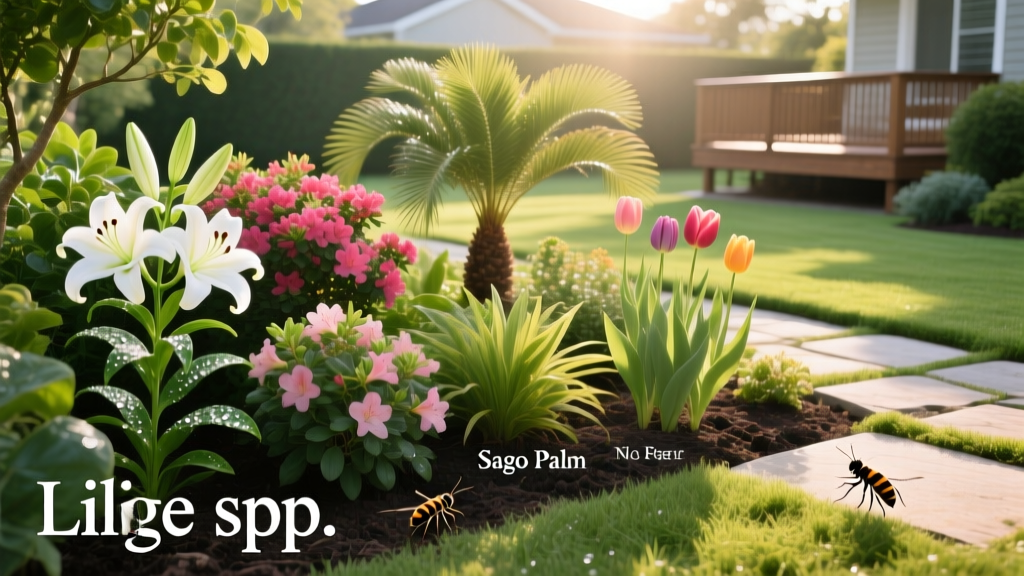
How to Identify and Replace Plants Dangerous to Cats in Gardens
The Toxicity Spectrum: Understanding Feline Plant Poisoning
Designing a beautiful landscape requires balancing aesthetics with safety, especially for households with feline companions. Unlike dogs, cats possess a unique metabolic vulnerability: they lack the hepatic enzyme glucuronyl transferase, which is necessary to metabolize and excrete certain plant compounds, phenols, and essential oils. This biological limitation means that even a minor nibble on specific foliage can lead to acute organ failure.
As of 2026, the ASPCA Animal Poison Control Center continues to report thousands of annual cases involving feline plant toxicity. For gardeners, the objective is not merely to avoid the most infamous offenders, but to systematically audit the entire landscape. This guide provides a practical framework for identifying, excavating, and replacing plants dangerous to cats with robust, pet-safe alternatives.
⚠️ Emergency Protocol: If you suspect your cat has ingested a toxic plant, do not wait for symptoms to appear. Immediately contact your veterinarian or the ASPCA Animal Poison Control Center (888-426-4435). Bring a sample of the plant, including leaves, flowers, and seeds, to the clinic for rapid identification.
Top 7 Common Garden Plants Dangerous to Cats
Many staple ornamental plants harbor severe risks. Below is a breakdown of the most common toxic flora found in residential gardens, their active toxic agents, and the specific clinical signs they produce.
1. True Lilies (Lilium spp.) and Daylilies (Hemerocallis)
Every part of these plants, including the pollen and vase water, is highly nephrotoxic to cats. Ingestion of even two petals can cause irreversible acute kidney injury (AKI) within 36 to 72 hours. Symptoms include lethargy, vomiting, and polyuria (excessive urination) progressing to anuria (lack of urination).
2. Sago Palm (Cycas revoluta)
Often used in tropical and xeriscape designs, the Sago Palm contains cycasin, a potent hepatotoxin. The seeds (nuts) are the most toxic part. Ingestion leads to severe liver failure, coagulopathy, and neurological seizures. Survival rates drop significantly if treatment is delayed beyond 24 hours.
3. Oleander (Nerium oleander)
A popular drought-tolerant shrub in USDA zones 8-10, Oleander contains cardiac glycosides. Chewing on a single leaf can cause fatal arrhythmias, drooling, and gastrointestinal hemorrhage in a 10-pound cat.
4. Autumn Crocus (Colchicum autumnale)
Often confused with harmless spring crocuses, the Autumn Crocus contains colchicine. It causes severe gastrointestinal bleeding, bone marrow suppression, and multi-organ damage. Symptoms may be delayed for several days post-ingestion.
5. Foxglove (Digitalis purpurea)
Prized for their tall, dramatic spires in cottage gardens, Foxgloves contain naturally occurring digitalis glycosides. Toxicity manifests as severe cardiac arrhythmias, weakness, and collapse.
6. Azaleas and Rhododendrons (Rhododendron spp.)
These ubiquitous spring-blooming shrubs contain grayanotoxins, which interfere with sodium channels in cell membranes. Ingestion causes hypotension, vomiting, coma, and potentially fatal cardiovascular collapse.
7. Castor Bean (Ricinus communis)
Grown for its massive, architectural foliage, the Castor Bean plant produces ricin, one of the most potent plant toxins known. While the seeds are the primary danger, chewing the leaves can also induce severe abdominal pain, tremors, and fatal dehydration.
Step-by-Step: How to Safely Remove Toxic Flora
Simply snapping off the visible growth of plants dangerous to cats is insufficient. Perennials and shrubs will regenerate from remaining root fragments, and fallen leaves or seeds can remain toxic in the soil bed. Follow this excavation protocol to ensure complete eradication.
- Preparation and PPE: Wear heavy-duty nitrile or leather gardening gloves. Many toxic plants, such as Euphorbias and Oleander, exude caustic sap that can cause severe contact dermatitis in humans. Have heavy-duty 3-mil contractor bags ready for immediate disposal.
- Perimeter Excavation: For shrubs like Azaleas or Sago Palms, use a sharp spade to dig a trench 12 to 18 inches away from the base of the trunk. This ensures you capture the lateral root network. For bulbous plants like Autumn Crocus, sift the top 8 inches of soil to locate and remove all offset bulblets.
- Root Ball Extraction: Lever the root ball out completely. Do not rototill or chop the roots into the soil, as this can stimulate suckering in species like Oleander and spread toxic plant matter across the bed.
- Soil Remediation: Rake the exposed soil thoroughly to remove any fallen leaves, seed pods, or pollen debris. If the plant was a known severe hazard (like Castor Bean), consider replacing the top 3 inches of topsoil with fresh, pet-safe compost.
- Secure Disposal: Seal the plant material in the contractor bags. Do not add toxic plant matter to your home compost bin, as standard backyard composting temperatures (usually 110°F to 130°F) are insufficient to break down complex alkaloids and glycosides. Dispose of them in your municipal green waste bin.
The Safe Swap: Pet-Friendly Alternatives Matrix
You do not have to sacrifice garden aesthetics to protect your pets. The Cornell University Department of Animal Science maintains extensive databases on plant toxicity, which we have cross-referenced to provide these visually similar, non-toxic replacements.
| Toxic Plant | Toxic Agent | Safe Alternative | USDA Zones |
|---|---|---|---|
| True Lilies / Daylilies | Unknown nephrotoxin | Astilbe or Snapdragon | 4-9 |
| Sago Palm | Cycasin | Boston Fern or Ponytail Palm | 9-11 (Indoor/Outdoor) |
| Oleander | Cardiac glycosides | Bottlebrush (Callistemon) | 8-11 |
| Autumn Crocus | Colchicine | Hardy Begonia or Coral Bells | 4-9 |
| Foxglove | Digitalis glycosides | Hollyhock or Freesia | 3-9 |
| Azaleas / Rhododendrons | Grayanotoxins | Camellia or Fuchsia | 6-9 |
Designing a Cat-Safe Garden: Physical Barriers and Deterrents
Even with a fully non-toxic plant palette, cats may dig in freshly turned soil or use garden beds as litter boxes, which can damage delicate root systems and introduce harmful pathogens to your vegetable plots. Implementing physical and olfactory deterrents is a critical step in garden management.
Subsurface and Surface Barriers
Cats despise walking on prickly or unstable surfaces. To protect specific beds, lay down 19-gauge, 1/2-inch galvanized hardware cloth just beneath the mulch layer. Cut holes for your plants to grow through. This prevents digging without harming the cat's paws. Alternatively, use heavily textured mulches like pine cones, holly leaf cuttings, or rough bark nuggets rather than fine, sandy cedar mulch, which cats find highly attractive for digging.
Active Deterrent Systems
For persistent feline trespassers (including neighborhood cats), motion-activated sprinklers are the most effective, non-toxic deterrent. Devices like the Orbit Yard Enforcer utilize infrared sensors to detect motion up to 40 feet away, delivering a harmless but startling burst of water. Position the sensor at ground level (about 6-8 inches high) to specifically target the profile of a cat rather than blowing leaves or passing wildlife.
Olfactory Repellents
While commercial chemical repellents can wash away in the rain and pose their own ingestion risks, planting strong-scented herbs can create a natural buffer. Rosemary, lavender, and the Scaredy Cat plant (Coleus caninus) emit odors that felines find offensive. Plant these as a perimeter border around your more sensitive garden zones.
Pro Landscaper Tip: Never use mothballs, cayenne pepper powder, or ammonia-soaked rags as DIY cat deterrents. These are highly toxic to cats, can cause severe respiratory and ocular damage, and will leach harmful chemicals into your garden soil and local watershed.
Frequently Asked Questions
Are all parts of a toxic plant equally dangerous?
No. While some plants like Lilies are entirely toxic from petal to pollen, others concentrate their toxins in specific areas. For example, the Sago Palm is most lethal in its seeds, and the Castor Bean's ricin is concentrated in the beans. However, for safety and ease of identification, treat the entire plant as a hazard and remove it completely.
My cat only eats grass; do I still need to worry about ornamental plants?
Yes. Cats often chew on broad-leafed plants when seeking roughage to aid digestion or hairball passage. If toxic foliage is accessible, a cat may mistakenly chew on an Azalea or Oleander leaf thinking it is a safe grass substitute. Always provide a dedicated, indoor pot of pet-safe oat or wheat grass to satisfy this instinct.
How can I verify if a new plant from the nursery is safe?
Always check the botanical (Latin) name on the nursery tag against the Pet Poison Helpline or ASPCA databases. Common names can be misleading; for instance, the 'Lily of the Valley' is highly toxic, while the 'Peruvian Lily' (Alstroemeria) is generally safe but can cause mild stomach upset. Relying on the scientific name prevents dangerous misidentifications.

