
Gardening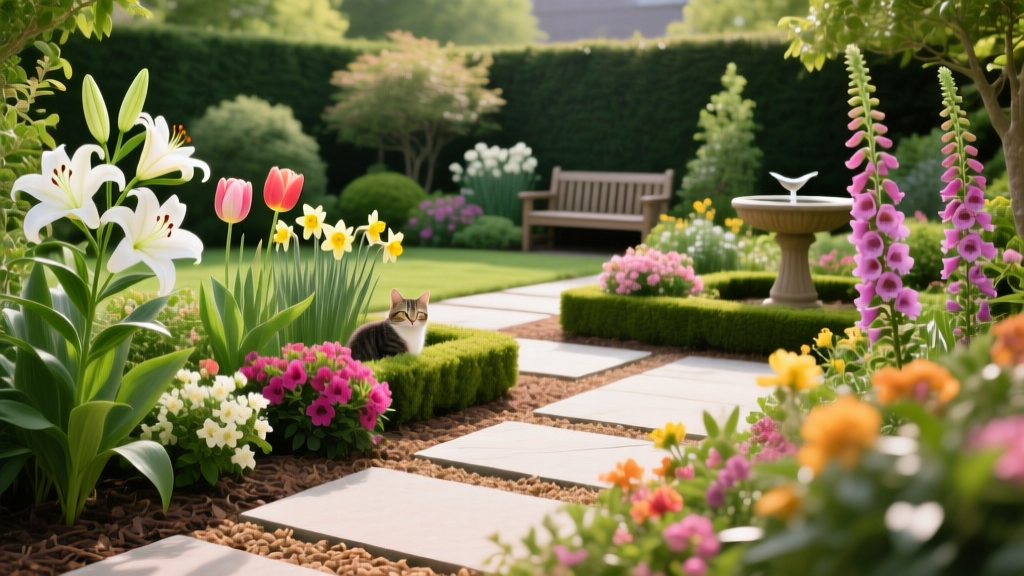
Designing a Pet-Safe Garden: Flowers That Are Harmful to Cats
The Hidden Dangers in Your Garden Beds
Cats are obligate carnivores, yet they frequently chew on garden foliage to aid digestion, induce vomiting for hairballs, or out of sheer curiosity. When landscaping, identifying flowers that are harmful to cats is not just a matter of avoiding minor stomach upset; it is a critical step in preventing fatal acute kidney injury (AKI) and cardiac arrest. The financial toll of a single toxic ingestion is staggering, with emergency veterinary interventions for feline lily toxicity routinely costing between $2,000 and $4,500 for hemodialysis and intensive care. This guide provides a practical, step-by-step framework for auditing your garden, safely extracting high-risk blooms, and establishing a vibrant, pet-safe landscape.
The 'Red Zone': Highly Toxic Flowers to Ban Immediately
These plants contain compounds that cause severe, often irreversible organ damage in felines. They must be entirely excluded from any garden where cats roam.
Critical Feline Warning: True lilies (Lilium species) and daylilies (Hemerocallis species) are uniquely lethal to cats. The exact toxic principle remains unidentified, but ingestion of just two petals, or even grooming pollen off their fur, can trigger irreversible acute kidney injury within 24 to 72 hours. Never plant these in a yard accessible to cats.
1. Lilies and Daylilies
Asiatic, Tiger, Easter, and Stargazer lilies, along with all daylily varieties, pose the highest risk. According to the ASPCA Animal Poison Control Center, lilies remain one of the most common and severe plant toxicities reported in felines. The Pet Poison Helpline emphasizes that there is no safe threshold for lily ingestion in cats; any exposure requires immediate veterinary decontamination and aggressive intravenous fluid diuresis.
2. Oleander (Nerium oleander)
Often used as a privacy hedge in USDA zones 8-11, oleander contains potent cardiac glycosides. Chewing on a single leaf or flower can cause fatal arrhythmias, severe vomiting, and central nervous system depression in a 10-pound cat.
3. Foxglove (Digitalis purpurea)
Popular in cottage gardens for their tall, dramatic spires, foxgloves also contain cardiac glycosides (digitoxin and digoxin). All parts of the plant, including the water in a cut-flower vase, are highly toxic.
The 'Yellow Zone': Moderate Toxicity and GI Distress
While not typically fatal, these flowers cause significant gastrointestinal distress, drooling, and dermatitis. They are best avoided, or planted strictly in inaccessible, fenced-off zones.
| Common Name | Botanical Name | Toxic Principle | Clinical Signs in Cats |
|---|---|---|---|
| Tulip | Tulipa spp. | Allergenic lactones (highest in bulb) | Vomiting, drooling, diarrhea, increased heart rate |
| Daffodil | Narcissus spp. | Lycorine and calcium oxalate crystals | Severe vomiting, abdominal pain, cardiac arrhythmias |
| Hydrangea | Hydrangea spp. | Cyanogenic glycosides | Vomiting, diarrhea, depression, lethargy |
| Iris | Iris spp. | Iridin, irisin, and irritant resins | Salivation, vomiting, diarrhea, lethargy |
Step-by-Step: Auditing and Removing Toxic Blooms
If you discover flowers that are harmful to cats in your existing landscape, follow this extraction protocol to ensure no toxic residue remains.
- Map and Identify: Walk your property with a plant identification app or a local master gardener. Tag all toxic plants with high-visibility ribbon.
- Safe Extraction: Wear heavy-duty nitrile gloves. For bulbous plants like tulips and daffodils, use a spading fork to dig at least 12 inches deep and 6 inches wide around the base to ensure no offset bulbs are left behind.
- Soil Remediation: If you are removing lilies that have recently bloomed and shed pollen, scrape off and replace the top 3 inches of soil in a 4-foot radius around the plant to remove contaminated topsoil.
- Disposal: Do not compost toxic plant material, as cats often investigate compost bins. Bag all foliage, roots, and bulbs in heavy-duty contractor bags and dispose of them in your municipal trash.
Building the 'Green Zone': Cat-Safe Flower Alternatives
You do not have to sacrifice color and texture to maintain a safe environment. These non-toxic alternatives thrive in similar conditions to the toxic plants they replace.
- Astilbe (Astilbe spp.): A perfect replacement for Foxglove in shady, moist garden beds. They offer tall, feathery plumes in pinks, reds, and whites, and are hardy in zones 3-8.
- Snapdragons (Antirrhinum majus): Excellent vertical accents to replace Delphiniums or Lilies. They provide vibrant colors and thrive in full sun to partial shade.
- Zinnias (Zinnia elegans): A safe, fast-growing annual that provides massive color impact, replacing toxic marigolds or daisies in sunny borders.
- Spider Plant (Chlorophytum comosum): While technically a houseplant, it thrives in outdoor hanging baskets in zones 9-11. It is non-toxic and actually contains mild opium-like compounds that safely attract and entertain cats without causing harm.
Physical Deterrents and Garden Zoning Strategies
If you must keep borderline toxic plants (like hydrangeas) for aesthetic reasons, or if you want to protect your safe plants from being trampled and used as a litter box, implement physical zoning.
Raised Bed Dimensions
Cats are agile jumpers, but they dislike unstable landing zones. Build raised beds at least 36 inches high with a narrow top cap (less than 4 inches wide). This prevents cats from comfortably jumping onto the soil surface or balancing on the edge to dig.
Sub-Surface Deterrents
Cats dig in loose mulch because it mimics litter. To deter this, lay down 1/2-inch galvanized hardware cloth directly over the soil before adding mulch. Cut X-shaped slits to allow your safe plants to grow through. The wire mesh is uncomfortable on their paws, effectively stopping digging behavior without harming the animal.
Textural and Scent Barriers
Scatter rough textural elements like pine cones, sweetgum balls, or sharp-edged holly leaves around the base of sensitive plants. Avoid commercial chemical repellents containing essential oils (like peppermint or citrus), as many essential oils are highly toxic to felines when inhaled or absorbed through the paw pads.
Emergency Protocol: What to Do If Ingestion Occurs
Despite your best efforts, accidental ingestion can happen, especially if toxic pollen blows in from a neighbor's yard or a toxic flower is brought inside via a bouquet.
Immediate Action Checklist
- Do not induce vomiting unless explicitly instructed by a veterinarian. Caustic plants or sharp plant matter can cause severe esophageal damage on the way back up.
- Secure the evidence: Bring a sample of the chewed plant, including the flower, stem, and leaves, to the vet clinic for exact identification.
- Call the experts: Contact the ASPCA Animal Poison Control Center at (888) 426-4435 or the Pet Poison Helpline at (855) 764-7661. Note that these services charge a consultation fee (typically $75 to $95), but they provide the exact treatment protocol your local vet needs to follow, which can save critical time and ultimately reduce total medical costs.
- Wash the cat: If you suspect pollen exposure (e.g., from a neighbor's lily), immediately bathe the cat or wipe them down thoroughly with a damp cloth to prevent them from grooming the toxin off their fur.
Designing a garden that balances horticultural beauty with feline safety requires intentional plant selection and proactive physical barriers. By eliminating the most dangerous flowers that are harmful to cats and replacing them with robust, non-toxic alternatives, you create an outdoor sanctuary that is visually stunning and entirely safe for your pets to explore.

