
Gardening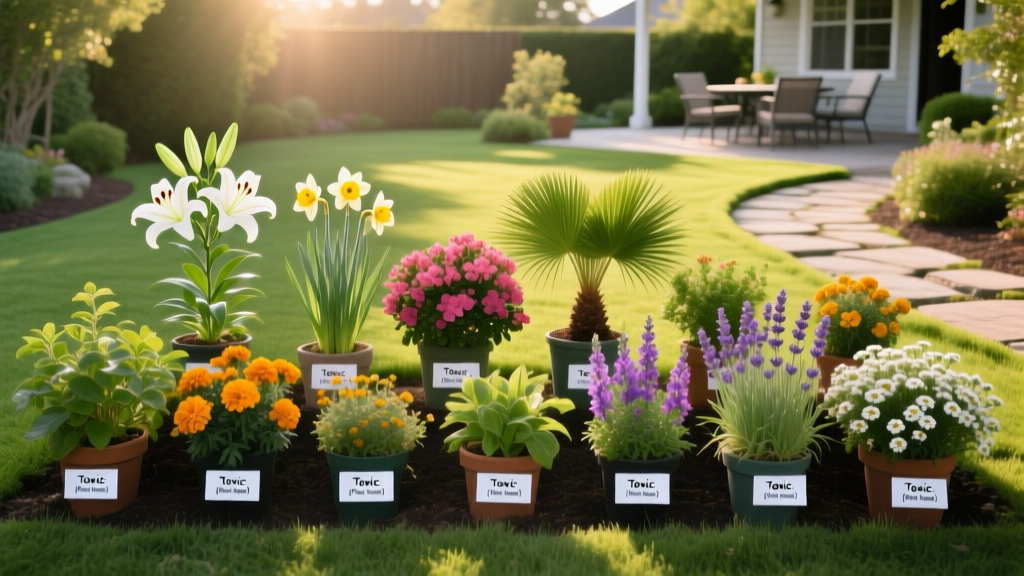
12 Toxic Plants for Dogs and Safe Garden Alternatives to Grow
The Hidden Dangers in Your Landscape
Designing a beautiful garden often involves selecting plants based on bloom color, hardiness zone, and soil compatibility. However, for pet owners, aesthetic appeal must be balanced against biological safety. According to the ASPCA Animal Poison Control Center, landscaping flora accounts for thousands of emergency veterinary calls annually. Many common ornamental shrubs, bulbs, and groundcovers contain alkaloids, glycosides, and resins that can cause severe gastrointestinal distress, neurological damage, or fatal organ failure in canines.
Beginner gardeners frequently assume that if a plant is sold at a mainstream nursery, it is safe for family environments. This is a dangerous misconception. Nurseries prioritize visual impact and regional hardiness over pet toxicity. Understanding which species pose a threat—and knowing exactly what to plant instead—is the foundational step in cultivating a pet-safe landscape.
High-Risk Toxic Plants for Dogs: A Botanical Breakdown
The following matrix outlines some of the most dangerous ornamental plants frequently found in residential landscapes. Familiarity with their botanical names is crucial, as common names can vary regionally and cause dangerous confusion.
| Common Name | Botanical Name | Toxic Principle | Clinical Signs in Dogs | Toxicity Level |
|---|---|---|---|---|
| Sago Palm | Cycas revoluta | Cycasin | Vomiting, melena, seizures, acute liver failure | Severe / Fatal |
| Oleander | Nerium oleander | Cardiac glycosides | Fatal arrhythmias, drooling, colic | Severe / Fatal |
| Lily of the Valley | Convallaria majalis | Convallatoxin | Vomiting, cardiac arrest, seizures | High |
| Autumn Crocus | Colchicum autumnale | Colchicine | GI bleeding, severe organ damage, bone marrow suppression | High |
| Tulip (Bulbs) | Tulipa spp. | Allergen lactones | Intense vomiting, depression, hypersalivation | Moderate |
| Azalea / Rhododendron | Rhododendron spp. | Grayantoxins | Cardiovascular collapse, coma, vomiting | High |
The Sago Palm Epidemic
The Sago Palm deserves specific mention due to its extreme prevalence in warmer climates (USDA Zones 8-11) and its deceptively harmless appearance. Every part of the Cycas revoluta is toxic, but the seeds (nuts) contain the highest concentration of cycasin. Ingestion of even a single seed can trigger irreversible hepatic necrosis. The Pet Poison Helpline reports that survival rates drop significantly if treatment is delayed beyond 24 hours post-ingestion. If you live in a subtropical region and own a dog, removing existing Sago Palms from your property is a non-negotiable safety measure.
Behavioral Insight: Why Dogs Chew Flora
Dogs rarely eat plants out of malice. Ingestion is typically driven by three factors: boredom, nutritional deficiency (pica), or the instinctual need to induce vomiting when they already feel nauseous. Puppies explore the world orally, making low-hanging foliage and freshly turned soil (where toxic bulbs are buried) prime targets. Addressing the root behavioral cause is just as important as removing the toxic plant.
Pet-Safe Garden Alternatives by Sun Exposure
Removing toxic species leaves gaps in your landscape design. Fortunately, there are hundreds of non-toxic, visually striking alternatives that thrive in various light conditions. When purchasing, always verify the botanical name on the nursery tag to ensure you are not buying a toxic look-alike.
Full Sun Champions (6+ Hours Direct Light)
- Sunflower (Helianthus annuus): Specifically the 'Mammoth' or 'Autumn Beauty' cultivars. These provide dramatic vertical height (up to 8 feet) and are entirely non-toxic. Cost: $3.50 - $5.00 per seed packet.
- Zinnia (Zinnia elegans): A drought-tolerant annual that blooms continuously from early summer to the first frost. The 'Profusion' series is highly resistant to powdery mildew and safe for pets.
- Calendula (Calendula officinalis): Often confused with toxic marigolds (Tagetes species), true Calendula is safe and offers vibrant orange and yellow blooms. It also acts as a beneficial companion plant, deterring nematodes from nearby vegetables.
Shade-Tolerant Safe Picks (Under Tree Canopies)
- Boston Fern (Nephrolepis exaltata): An excellent replacement for toxic hostas or lilyturf in deep shade. They require consistent moisture and rich, loamy soil with a pH between 6.0 and 6.5.
- Spider Plant (Chlorophytum comosum): While often grown indoors, Spider Plants thrive in outdoor shaded beds during the summer in Zones 9-11. They are entirely safe and propagate easily via stolons.
- Polka Dot Plant (Hypoestes phyllostachya): Provides striking pink and white foliage in shaded borders, replacing the highly toxic Caladium or Dieffenbachia.
Designing a Dog-Proof Garden Layout
Even with non-toxic plants, dogs can destroy a garden through trampling, digging, and urination. Implementing structural design frameworks protects both your investment and your pet.
The 'Sensory Distraction' Method
Dogs navigate the world through olfaction. Create a dedicated 'sniff zone' in a corner of your yard using dog-safe, highly aromatic herbs like rosemary (Salvia rosmarinus), thyme (Thymus vulgaris), and mint (Mentha spicata). Plant these in a 4x4 foot designated bed. The intense sensory stimulation draws the dog to this specific area, naturally diverting them from your primary ornamental beds.
Physical Barriers and Raised Beds
For areas where you must grow plants that could cause mild GI upset (like certain vegetables or delicate perennials), elevate the growing zone. Modular metal raised beds, such as the Vego Garden 17-inch Tall Modular Kits (approximately $189 for a 4x8 configuration), keep root zones, organic fertilizers, and soil amendments completely out of reach of foraging dogs. For in-ground beds, border the perimeter with 1/2-inch galvanized hardware cloth (roughly $30 for a 25-foot roll) buried 6 inches deep and extending 12 inches above grade to prevent digging and access.
Emergency Protocol: Ingestion Response
If you suspect your dog has ingested a toxic plant, time is the most critical variable. Do not wait for symptoms to manifest.
- Identify the Plant: Take a clear photo of the plant, including the leaves, stems, and any flowers or berries. If possible, bring a physical sample to the vet.
- Contact Poison Control: Call the ASPCA Animal Poison Control Center at (888) 426-4435 or the Pet Poison Helpline at (855) 764-7661. Note that consultation fees (typically $75-$95) apply, but they provide exact, life-saving dosage protocols for your local vet.
- Avoid DIY Induction: Do not administer 3% hydrogen peroxide to induce vomiting unless explicitly instructed by a veterinary professional. In certain breeds, or if the plant causes caustic damage to the esophagus, inducing vomiting can result in severe necrotizing gastroenteritis or aspiration pneumonia.
Frequently Asked Questions
Are marigolds toxic to dogs?
This is a common point of confusion. True Calendula officinalis (Pot Marigold) is completely non-toxic. However, the common garden marigold (Tagetes patula or Tagetes erecta) contains phototoxic thiophenes that can cause mild to moderate gastrointestinal upset and skin irritation if a dog chews the foliage or digs in the soil. For a completely worry-free garden, stick to Calendula.
Is mulch dangerous for pets?
Cocoa bean mulch is highly dangerous. It is a byproduct of chocolate production and contains theobromine and caffeine—the same compounds that make chocolate toxic to dogs. Ingestion can cause tachycardia, tremors, and seizures. Always opt for pet-safe alternatives like untreated cedar bark, pine bark, or shredded hardwood mulch. Ensure the mulch is not treated with chemical herbicides or synthetic dyes.
Can dogs eat grass from the lawn?
Most untreated turfgrasses (like Bermuda, Fescue, and Kentucky Bluegrass) are non-toxic. However, the danger lies in chemical lawn treatments. If you use synthetic herbicides (like 2,4-D) or pesticides, the grass becomes a vector for poison. Transition to organic lawn care, utilizing corn gluten meal for pre-emergent weed control and neem oil for pest management, to ensure your dog's grazing habits remain safe.

