
Gardening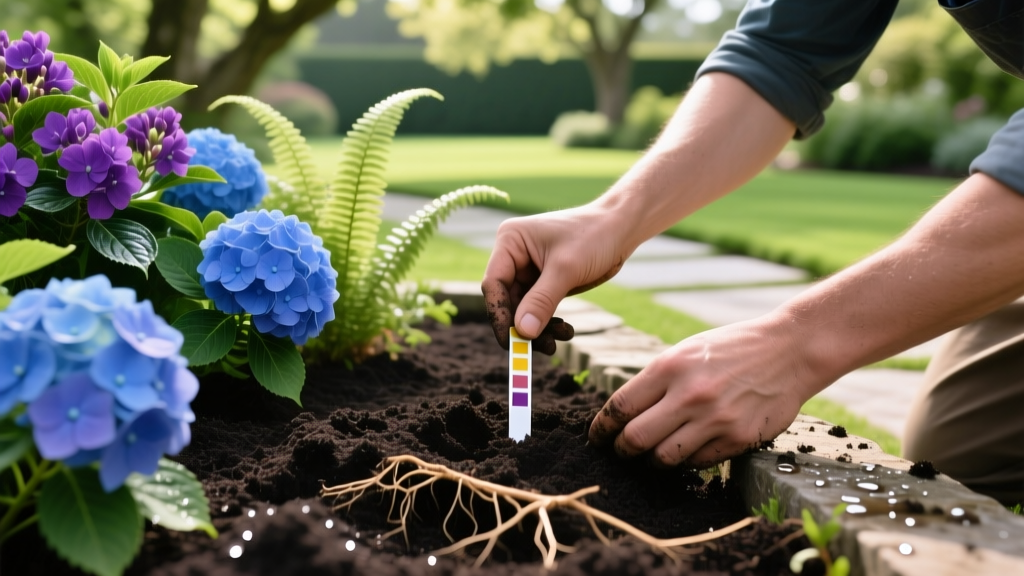
How to Increase Acidity in Soil for Acid-Loving Plants
The Science of Acidic Soil and Plant Nutrient Uptake
Soil pH dictates nutrient availability. For acid-loving plants like blueberries (Vaccinium corymbosum), azaleas, and macrophylla hydrangeas, a pH between 4.5 and 5.5 is non-negotiable. When soil pH rises above 6.0, essential micronutrients like iron, manganese, and zinc become chemically locked, leading to chlorosis (yellowing leaves with green veins) and stunted fruit production. According to the University of Minnesota Extension, lowering soil pH is a chemical and biological process that requires precise amendments, not guesswork. This guide details exactly how to increase acidity in soil using proven, measurable methods.
Step 1: Establish Your Baseline with Accurate Testing
Before purchasing amendments, you must know your starting pH and soil texture. Sandy soils require less amendment to shift pH, while heavy clay soils possess high buffering capacity and resist change.
Recommended Testing Protocol:
- Digital Meter: The Luster Leaf Rapitest Digital Soil pH Meter (approx. $32.00 in 2026) provides instant, localized readings. Insert the probe into moist soil at a 4-inch depth.
- Lab Testing: For precise buffering capacity analysis, send a 1-cup composite soil sample to your local university extension office. This typically costs $15-$25 and provides an exact lime/sulfur recommendation.
Comparing the Top 3 Soil Acidifiers
Not all acidifiers work at the same speed or carry the same risks. Below is a comparison matrix of the three most effective amendments for lowering soil pH.
| Amendment | Speed of Action | Cost (2026 Avg) | Best Use Case | Primary Risk |
|---|---|---|---|---|
| Elemental Sulfur | 3 to 6 months | $26 / 4 lbs | Long-term garden beds, pre-planting | None if applied correctly |
| Aluminum Sulfate | 1 to 2 weeks | $19.50 / 4 lbs | Instant hydrangea color shifts | Aluminum toxicity to roots |
| Iron Sulfate | 3 to 4 weeks | $35 / 10 lbs | Treating severe iron chlorosis fast | Stains concrete and hardscapes |
Method A: Elemental Sulfur (The Biological Approach)
Elemental sulfur is the safest and most cost-effective long-term solution. It does not lower pH directly. Instead, it relies on naturally occurring soil bacteria (Thiobacillus thioparus) to oxidize the sulfur into sulfuric acid. Because this is a biological process, it requires soil temperatures above 55°F (13°C) and adequate moisture. Applying elemental sulfur in late fall will yield minimal results until the following spring when soil microbes become active.
Application Rates for Elemental Sulfur (Per 100 Sq. Ft.)
To lower your soil pH by exactly 1.0 point (e.g., from 6.5 to 5.5), apply the following weights based on your soil texture:
- Sandy Soil: 0.5 lbs (approx. 1 cup)
- Loam Soil: 1.5 lbs (approx. 3 cups)
- Heavy Clay: 2.0 to 2.5 lbs (approx. 4 to 5 cups)
Pro Tip: Never apply more than 2.5 lbs of elemental sulfur per 100 square feet in a single application. Excess sulfur can create toxic salt accumulations. If you need to drop the pH by more than 1.5 points, split the application across two seasons.
Method B: Aluminum Sulfate (The Rapid Fix)
Aluminum sulfate dissolves instantly in water, creating immediate acidity. This is the secret behind rapid hydrangea color shifts from pink to blue, as the plant requires both low pH and free aluminum ions to produce delphinidin-based blue pigments.
⚠️ Warning: Aluminum Toxicity
Over-applying aluminum sulfate is a common beginner mistake. Excess aluminum damages plant root tips, causing severe stunting and leaf margin necrosis. Limit applications to 1/2 cup per 10 square feet, and water it in immediately. Never use aluminum sulfate on blueberries or azaleas, as they are highly sensitive to aluminum toxicity. Stick to elemental sulfur for edible crops.
Natural Amendments and Persistent Myths
The internet is flooded with anecdotal advice regarding household items for acidifying soil. It is critical to separate chemical facts from gardening folklore.
The Coffee Grounds Myth
Used coffee grounds are frequently recommended to lower soil pH. However, the brewing process washes away the acidic compounds. According to research cited by Penn State Extension, spent coffee grounds have a nearly neutral pH of 6.5 to 6.8. While they are an excellent source of slow-release nitrogen and organic matter, they will not meaningfully increase soil acidity. If you want to use coffee for pH adjustment, you must use unused, raw grounds, which is economically impractical for garden-scale applications.
Sphagnum Peat Moss
Incorporating Canadian sphagnum peat moss (pH 3.0 to 4.5) into the top 6 inches of soil is an excellent way to gently lower pH while improving moisture retention in sandy soils. Apply a 2-inch layer and till it into the root zone before planting. Be aware that peat moss is a non-renewable resource; many eco-conscious gardeners are shifting to acidic composted pine bark fines as a sustainable alternative.
Maintenance: The Rebound Effect
Lowering soil pH is not a one-time event. Most residential soils, particularly those with high calcium carbonate (lime) content, will naturally buffer and rebound to their original alkaline state over 2 to 4 years.
Annual Monitoring Schedule
- Spring (April): Test soil pH before the active growing season begins.
- Early Summer (June): Apply a maintenance dose of elemental sulfur (half the original installation rate) if pH has crept up by 0.3 points or more.
- Fall (October): Top-dress acid-loving beds with 1 inch of composted pine bark or oak leaf mold to maintain organic acid levels.
Frequently Asked Questions
Can I use vinegar to water my acid-loving plants?
While mixing 1 tablespoon of white vinegar (5% acetic acid) per gallon of water will temporarily lower the pH of the irrigation water, it has zero lasting effect on the soil's chemical buffering capacity. The acetic acid breaks down rapidly in the soil profile. It is a temporary foliar and root drench, not a soil amendment.
Why are my blueberry leaves turning yellow despite adding sulfur?
If you have applied elemental sulfur but the soil temperature is below 55°F, the Thiobacillus bacteria are dormant, and the sulfur is not converting to sulfuric acid. In the short term, apply a chelated iron foliar spray (such as FeEDDHA) to correct the chlorosis while waiting for the soil to warm and the sulfur to activate.
Does mulching with pine needles make soil acidic?
Fresh pine needles are slightly acidic, but as they decompose, their pH neutralizes. A 3-inch layer of pine straw mulch is excellent for moisture retention and weed suppression around azaleas, but it will not lower the underlying soil pH by more than 0.1 points over several years. Rely on elemental sulfur for actual pH modification.

