
Gardening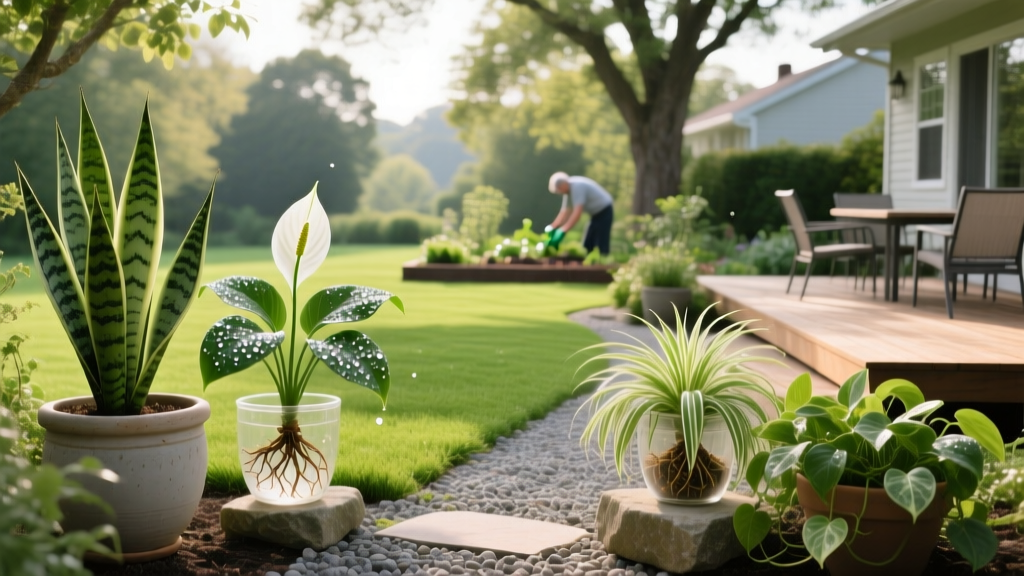
What Plants Purify the Air? A Science-Backed VOC Removal Guide
The Reality of Air-Purifying Plants: NASA Study vs. Your Living Room
When homeowners ask what plants purify the air, they are usually referencing the famous 1989 NASA Clean Air Study. While that research proved certain plants can absorb volatile organic compounds (VOCs) like formaldehyde, benzene, and trichloroethylene, it was conducted in tightly sealed, 1-cubic-meter chambers. Modern environmental science, including comprehensive reviews by the U.S. Environmental Protection Agency (EPA), clarifies that to replicate those sealed-chamber results in a standard 2,000-square-foot home with normal air exchange rates, you would need between 10 and 100 plants per square meter.
However, this does not mean indoor plants are useless for air quality. Plants act as biological air scrubbers through two distinct mechanisms: foliar absorption and rhizosphere biodegradation. By selecting high-transpiration species and optimizing the soil microbiome, you can create a measurable, localized reduction in indoor VOCs without turning your home into an unmanageable jungle.
The Biofiltration Secret: Up to 50% of VOC removal in potted plants actually occurs in the root zone. Soil microbes (rhizobacteria) consume airborne toxins that are drawn down through the soil surface, converting them into harmless biomass. Optimizing your potting mix is just as critical as choosing the right plant.
Top 5 High-Efficacy Air Purifying Plants for Home Environments
To achieve tangible air quality improvements, focus on plants with high leaf surface area, rapid transpiration rates, and robust root systems. Here are the top performers, complete with botanical specifications and real-world care requirements.
1. Snake Plant (Dracaena trifasciata)
Formerly classified as Sansevieria trifasciata, this plant utilizes Crassulacean Acid Metabolism (CAM). Unlike most plants, it opens its stomata at night, absorbing CO2 and releasing oxygen while you sleep. It is highly effective at filtering formaldehyde and xylene.
Cost: $15–$30 for a 10-inch nursery pot.
Light: 50 to 250 foot-candles (tolerates deep shade to bright indirect).
Watering: Allow the top 3 inches of soil to dry completely; water every 14–21 days.
2. Spider Plant (Chlorophytum comosum)
Spider plants are rapid transpirers, meaning they pull large volumes of air across their leaf surfaces and down into their soil. They are particularly aggressive at neutralizing carbon monoxide and formaldehyde, making them ideal for kitchens or rooms attached to garages.
Cost: $8–$15 for a 6-inch hanging basket.
Light: Bright, indirect light (150–300 foot-candles).
Watering: Keep soil slightly moist; water when the top 1 inch feels dry.
3. Peace Lily (Spathiphyllum wallisii)
The Peace Lily is one of the few tropicals proven to break down acetone and benzene—common off-gassing chemicals found in electronics, paint, and adhesives. Its broad leaves offer excellent surface area for foliar absorption.
Cost: $20–$40 for a mature 12-inch pot.
Light: Low to medium indirect light (50–150 foot-candles).
Watering: Water thoroughly when leaves begin to slightly droop (usually every 7–10 days).
4. Boston Fern (Nephrolepis exaltata)
Boston ferns act as natural humidifiers while simultaneously scrubbing formaldehyde and xylene. Their dense, feathery fronds provide a massive cumulative leaf surface area in a single pot. According to the NASA Technical Reports Server archives on interior landscaping, ferns consistently rank in the top tier for formaldehyde removal rates.
Cost: $15–$25 for a 10-inch hanging pot.
Light: Bright, filtered light (avoid direct sun which scorches fronds).
Watering: Keep soil consistently moist; mist fronds daily if indoor humidity drops below 40%.
5. Golden Pothos (Epipremnum aureum)
Pothos is a vigorous vining plant that excels in low-light environments where other purifiers fail. It targets formaldehyde and carbon monoxide. Because it grows rapidly, you can train it across shelves to maximize vertical air filtration.
Cost: $10–$20 for an 8-inch pot.
Light: Tolerates 25 to 200 foot-candles.
Watering: Water when the top 2 inches of soil are dry.
VOC Removal Comparison Matrix
| Plant Species | Primary VOCs Targeted | Transpiration Rate | Pet Toxicity | Maintenance |
|---|---|---|---|---|
| Snake Plant | Formaldehyde, Xylene | Low (CAM) | Toxic (Saponins) | Very Low |
| Spider Plant | Formaldehyde, CO | High | Non-Toxic | Low |
| Peace Lily | Acetone, Benzene | Medium-High | Toxic (Oxalates) | Medium |
| Boston Fern | Formaldehyde, Xylene | Very High | Non-Toxic | High |
| Golden Pothos | Formaldehyde, CO | Medium | Toxic (Oxalates) | Very Low |
Note: Always verify pet safety before introducing new flora. The ASPCA Animal Poison Control database provides a comprehensive, searchable list of plant toxicities for dogs and cats.
How to Maximize VOC Removal Rates in Your Home
Simply buying a plant and placing it in a corner will yield negligible air quality improvements. To turn your plants into active biofilters, you must optimize the physical and biological environment.
The Bio-Active Potting Mix Recipe
Because rhizosphere bacteria do the heavy lifting for VOC breakdown, standard sterile potting soil is insufficient. Mix your own bio-active medium using this exact ratio:
- 40% High-Quality Peat or Coco Coir: Provides moisture retention and a carbon base for microbes.
- 30% Coarse Perlite: Ensures soil aeration, allowing VOC-laden air to penetrate the root zone.
- 20% Worm Castings: Inoculates the soil with beneficial bacteria and fungi.
- 10% Horticultural Activated Charcoal: Acts as a physical sponge, adsorbing airborne toxins and holding them in the soil long enough for microbes to digest them.
Foliar Maintenance for Maximum Absorption
Dust acts as a physical barrier, blocking the stomata (pores) on leaves where gas exchange occurs. A layer of household dust can reduce a plant's VOC absorption rate by up to 30%. Wipe the leaves of broad-leaf plants like Peace Lilies and Pothos every 14 days with a damp microfiber cloth. Avoid commercial 'leaf shine' sprays, which contain petroleum distillates that clog stomata and introduce their own VOCs into your home.
Strategic Placement: Where to Put Your Plants
Airflow is the limiting factor in botanical biofiltration. A plant sitting in stagnant air can only filter the immediate cubic footage around it.
- The Breathing Zone: Place high-oxygen producers like Snake Plants within 3 feet of your bed to improve localized nighttime air quality.
- Source-Point Filtration: Put Spider Plants near known VOC sources, such as above kitchen cabinets, near new composite wood furniture, or in home offices with laser printers.
- Forced Air Integration: Position Boston Ferns near HVAC return vents or ceiling fan updrafts. The mechanical movement of air forces VOCs through the plant's canopy and down into the bio-active soil.
Calculating Your Required Plant Density
For a noticeable improvement in localized air quality in a standard 8-foot ceiling room, aim for one 10-inch to 12-inch potted plant per 100 square feet of floor space. In a 150-square-foot bedroom, this means utilizing one large floor plant (like a mature Snake Plant) and two smaller hanging or shelf plants (like Pothos or Spider Plants).
Frequently Asked Questions
Do air purifying plants eliminate the need for HEPA filters?
No. Plants are highly effective at breaking down gaseous chemical pollutants (VOCs), but they do not capture particulate matter (PM2.5) like dust, pollen, or pet dander. For comprehensive indoor air quality, use plants for chemical off-gassing and a mechanical HEPA filter for particulates.
How long does it take for plants to purify the air in a room?
Plants do not 'purify' an entire room's air volume in a single pass like a mechanical purifier. They provide a continuous, slow reduction in VOC baseline levels. You will typically see a measurable drop in localized formaldehyde and benzene levels within 48 to 72 hours of introducing the correct plant density and bio-active soil.
Can I use artificial plants for air purification?
No. The removal of VOCs relies on active biological processes: photosynthesis, transpiration, and microbial digestion in the soil. Artificial plants offer zero air quality benefits and can actually accumulate dust that degrades indoor air quality if not cleaned regularly.

