
Gardening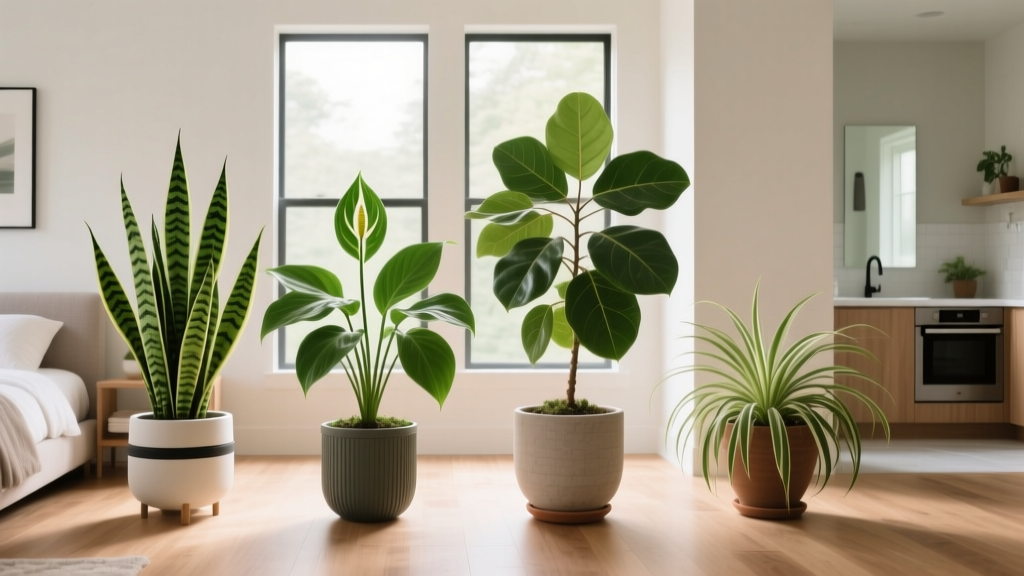
Best Indoor Plants Good for Cleaning Air: Room-by-Room Setup Guide
The Reality of Phytoremediation: Setting VOC Expectations
When evaluating indoor plants good for cleaning air, it is critical to separate botanical fact from internet fiction. The foundational data on plant-based air purification stems from the 1989 NASA Clean Air Study, which proved that specific plant species and their root-zone microbes can absorb volatile organic compounds (VOCs) like formaldehyde, benzene, and trichloroethylene. However, modern environmental engineers note that to replicate the air-exchange rate of a standard mechanical HVAC system, you would need an impractical density of 10 to 100 plants per square meter.
This does not render phytoremediation useless. Instead, it requires a targeted approach. By concentrating specific cultivars in the "breathing zone" (within a 3-foot radius of where you sit or sleep) and optimizing the soil microbiome, you can achieve measurable, localized reductions in airborne toxins while simultaneously boosting indoor humidity and psychological well-being. According to the U.S. EPA, indoor air can be two to five times more polluted than outdoor air, making strategic botanical deployment a vital layer in your home's air quality defense.
Top Indoor Plants Good for Cleaning Air: Toxin-Specific Matrix
Not all plants filter the same chemicals. The following matrix breaks down the most efficient cultivars based on their specific VOC targets and environmental requirements.
| Botanical Cultivar | Primary VOC Targeted | Light Requirement | Pet Toxicity |
|---|---|---|---|
| Spathiphyllum 'Mauna Loa' (Peace Lily) | Benzene, Trichloroethylene, Formaldehyde | Low to Medium (100-250 FC) | Toxic (Calcium Oxalate) |
| Sansevieria trifasciata 'Laurentii' (Snake Plant) | Formaldehyde, Xylene, Toluene | Highly Adaptable (50-500 FC) | Mildly Toxic |
| Nephrolepis exaltata 'Bostoniensis' (Boston Fern) | Formaldehyde, Xylene | Medium Indirect (200-400 FC) | Non-Toxic |
| Dracaena marginata (Dragon Tree) | Trichloroethylene, Formaldehyde | Medium to Bright (250-500 FC) | Toxic |
| Chlorophytum comosum (Spider Plant) | Carbon Monoxide, Formaldehyde, Xylene | Medium Indirect (200-400 FC) | Non-Toxic |
Room-by-Room Deployment Strategy
To maximize the efficacy of indoor plants good for cleaning air, you must match the plant's biological off-gassing targets with the specific chemical sources in each room.
The Bedroom: Nighttime Oxygen and Benzene Scrubbing
Bedrooms are often filled with benzene off-gassing from synthetic mattress foams, laundry detergents, and plastics. Furthermore, most plants consume oxygen at night via respiration. Sansevieria trifasciata utilizes Crassulacean Acid Metabolism (CAM) photosynthesis, meaning it opens its stomata at night to absorb CO2 and release oxygen.
Action Plan: Place two 8-inch pots of Snake Plant on your nightstands, within 2 feet of your head, to optimize the localized breathing zone.
The Home Office: Trichloroethylene and Xylene Mitigation
Home offices contain high concentrations of electronics, printers, and synthetic carpets that emit trichloroethylene and xylene. Dracaena marginata and Spathiphyllum 'Mauna Loa' excel at metabolizing these specific solvents through their root-zone microbiomes.
Action Plan: Position a 10-inch Dracaena marginata directly beside your printer or primary monitor setup. Ensure the pot has drainage to prevent root rot, which will halt the plant's transpiration and filtration processes entirely.
The Kitchen and Bath: Formaldehyde and High-Humidity Zones
Kitchens and bathrooms suffer from high humidity and formaldehyde off-gassing from particleboard cabinetry and paper products. The Boston Fern (Nephrolepis exaltata 'Bostoniensis') acts as a natural humidifier while aggressively absorbing formaldehyde. However, it requires high ambient humidity to prevent frond desiccation.
Action Plan: Hang a 12-inch Boston Fern in the bathroom near a frosted window, or place it on top of kitchen cabinetry where it can capture rising warm, moist air from cooking and dishwashing.
⚠️ Pet Toxicity Warning: If you share your home with cats or dogs, avoid Peace Lilies, Dracaenas, and Snake Plants. Ingestion of calcium oxalate crystals can cause severe oral irritation and gastrointestinal distress. Consult the ASPCA's Toxic and Non-Toxic Plant List and substitute with Boston Ferns, Spider Plants, or Parlor Palms (Chamaedorea elegans).
The Soil Microbiome: The Hidden Air Filter
A common misconception is that the plant's leaves do all the air-cleaning work. In reality, up to 50% of VOC removal occurs in the rhizosphere (the root zone). Soil microbes break down toxic chemicals into usable carbon and nutrients for the plant. If your soil is sterile or compacted, your plant's air-purifying capacity plummets.
How to engineer a high-efficiency potting mix:
- Base: Use 60% high-quality peat-free potting compost to provide microbial habitat.
- Aeration: Add 20% coarse perlite to ensure oxygen reaches the root zone, keeping aerobic VOC-eating bacteria alive.
- Carbon Source: Mix in 20% activated horticultural charcoal. The porous structure of the charcoal acts as a physical trap for VOCs, holding them in the soil long enough for microbes to metabolize them.
Leaf Maintenance Protocol for Maximum Stomata Function
Dust accumulation on foliage blocks the stomata (the microscopic pores responsible for gas exchange). A dusty leaf cannot filter air. Commercial "leaf shine" sprays contain oils and polymers that permanently clog these pores, effectively suffocating the plant and halting phytoremediation.
Monthly Cleaning Protocol:
- Mix 1 teaspoon of white vinegar into 1 liter of distilled water (tap water leaves mineral deposits that block stomata).
- Support the underside of the leaf with your hand.
- Wipe the top surface gently with a microfiber cloth dampened in the solution.
- For highly textured leaves like Boston Ferns, use a soft-bristled makeup brush to gently sweep dust out of the crevices, or rinse them in a lukewarm shower once a month.
Frequently Asked Questions
How many plants do I actually need per room?
For a noticeable, localized improvement in air quality and humidity, aim for a density of 2 to 5 medium-sized plants (in 6 to 8-inch pots) per 100 square feet. Grouping them together creates a microclimate that increases ambient humidity, which keeps the plants' stomata open and actively filtering.
Do air purifiers make these plants obsolete?
No. HEPA and activated carbon air purifiers are vastly superior at rapid, whole-room particulate and VOC removal. However, mechanical purifiers cannot generate oxygen, increase humidity, or provide the psychological benefits of biophilic design. Use indoor plants good for cleaning air as a complementary, biological layer alongside your mechanical filtration system.
Why is my Peace Lily not filtering the air effectively?
If your Peace Lily is drooping or its leaf tips are turning brown, it is likely suffering from fluoride or chlorine toxicity in tap water, or its soil is too compacted. When a plant is stressed, it closes its stomata to conserve water, immediately halting its ability to pull VOCs from the air. Switch to filtered water and repot using the aerated charcoal mix detailed above.

