
Gardening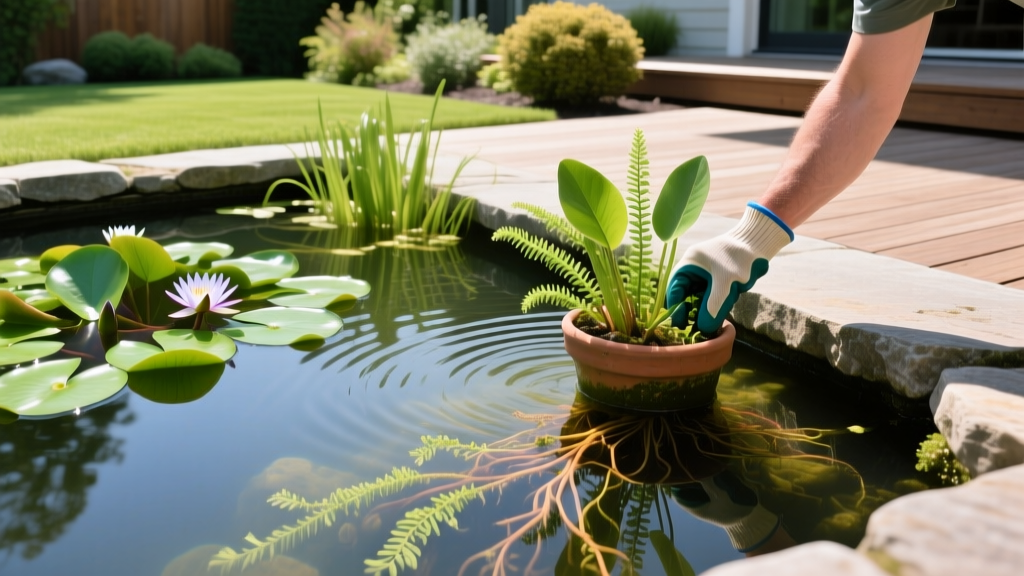
How to Install and Grow Underwater Plants for Ponds
The Biological Engine: Why Submerged Aquatics Matter
Underwater plants for ponds, scientifically classified as submerged aquatics or oxygenators, are the primary biological filtration engines of a closed water ecosystem. Unlike marginal or floating plants, submerged species remain entirely below the water surface, directly oxygenating the water column through photosynthesis and competing with suspended algae for dissolved nutrients like nitrogen and phosphorus. A well-established submerged plant bed can maintain dissolved oxygen (DO) levels above the critical 5.0 mg/L threshold required for koi and goldfish health, while simultaneously stripping the water column of the excess nutrients that trigger filamentous algae blooms.
However, simply tossing bunches of green stems into the water is a recipe for failure. Without proper anchoring, depth placement, and species selection tailored to your specific hardiness zone and pond volume, these plants will either float to the surface to rot or fail to establish root systems in the benthic zone. This guide details the exact horticultural and hydrological protocols for installing and maintaining a thriving submerged plant community.
Selecting the Right Underwater Plants for Ponds
Species selection must be driven by your regional climate, pond depth, and light penetration. According to the UF/IFAS Center for Aquatic and Invasive Plants, introducing non-native oxygenators without verifying local agricultural bans can result in severe ecological penalties, as species like Hydrilla verticillata are federally restricted noxious weeds. Below is a decision matrix for four highly effective, legally permissible submerged species commonly used in residential water gardens.
| Common Name | Botanical Name | USDA Hardiness Zones | Optimal Depth | Light Requirement | Nutrient Uptake Rate |
|---|---|---|---|---|---|
| Hornwort | Ceratophyllum demersum | 3 - 11 | 12 - 36 inches | Full Sun to Part Shade | Very High (Excellent algae competitor) |
| American Eelgrass | Vallisneria americana | 4 - 10 | 18 - 72 inches | Full Sun | Moderate (Deep water specialist) |
| Anacharis | Egeria densa | 4 - 10 (Annual in cold) | 12 - 24 inches | Part Shade to Full Sun | High (Fast biomass accumulation) |
| Red Cabomba | Cabomba caroliniana | 7 - 11 | 12 - 30 inches | Full Sun | Moderate (Requires higher iron levels) |
Regulatory Warning: Before purchasing Egeria densa (Anacharis) or Cabomba caroliniana, consult your state's Department of Natural Resources. Both species are classified as invasive in several states, including South Carolina, Washington, and parts of California, and are illegal to possess or transport.
Step-by-Step Installation: The Weighted Bundle Method
Submerged plants lack the structural rigidity to hold themselves upright in water currents or when disturbed by foraging fish. The industry-standard installation technique is the Weighted Bundle Method, which secures the plants to the benthic substrate while allowing roots to eventually penetrate the pond liner or soil bed.
Step 1: Quarantine and Sterilization
Nursery-grown aquatic plants frequently harbor hitchhikers like predatory snails, leeches, or duckweed. Submerge the bare stems in a 5-gallon bucket filled with pond water and 1/4 teaspoon of potassium permanganate for 45 minutes. This oxidizes organic pests and algae spores without damaging the plant tissue. Rinse thoroughly with dechlorinated water before planting.
Step 2: Constructing the Anchor Bundle
- Group the Stems: Gather 6 to 10 stems of your chosen species. Strip the lower 2 inches of leaves to expose the bare stem nodes, which will act as the primary rooting zone.
- Wrap the Base: Wrap the stripped base tightly in a 4x4 inch square of biodegradable jute mesh or unbleached cotton thread. Avoid plastic zip-ties, which do not degrade and will eventually girdle the expanding stem tissue.
- Attach the Weight: Secure a 2 oz to 4 oz lead-free fishing sinker, or a small mesh bag filled with #2 size pea gravel, directly to the base of the jute wrap. The weight must be heavy enough to sink the bundle rapidly but light enough not to crush the stem nodes.
Step 3: Strategic Depth Placement
Do not simply toss the weighted bundles into the pond. Light attenuation is the primary limiting factor for underwater plants for ponds. For every 12 inches of depth, light intensity drops significantly, especially in ponds with suspended particulate matter.
- Shallow Zones (12-18 inches): Plant Anacharis and Red Cabomba here to maximize photosynthetic output.
- Deep Zones (24-48 inches): Reserve American Eelgrass for these areas, as its ribbon-like leaves are adapted to low-light, high-pressure environments.
Fertilization and Water Column Dynamics
Unlike terrestrial plants or marginal aquatics that pull nutrients exclusively from the soil, submerged oxygenators absorb up to 70% of their required macronutrients directly through their leaf surfaces from the water column. However, in a newly established pond or a heavily filtered system with low fish bioload, the water column may lack sufficient iron, potassium, and trace minerals.
If you observe interveinal chlorosis (yellowing leaves with green veins) or stunted apical growth, the water column is deficient. Apply a liquid aquatic micronutrient supplement containing chelated iron (Fe-EDDHA) at a rate of 1 ml per 50 gallons. For root-feeding species like Vallisneria americana, push a slow-release aquatic fertilizer tab (such as CrystalClear Thrive or Osmocote Plus 19-6-12 wrapped in aquatic clay) into the substrate within 2 inches of the plant base every 60 days during the growing season.
Pro-Tip: Algae Competition Dynamics
The goal of planting underwater plants for ponds is to outcompete algae. To achieve this, you must reach a critical biomass threshold. Aim for 1 weighted bundle per 2 to 3 square feet of pond surface area. Until the plants establish and multiply, use a UV clarifier to keep suspended algae in check, ensuring the submerged plants receive the light they need to grow.
The goal of planting underwater plants for ponds is to outcompete algae. To achieve this, you must reach a critical biomass threshold. Aim for 1 weighted bundle per 2 to 3 square feet of pond surface area. Until the plants establish and multiply, use a UV clarifier to keep suspended algae in check, ensuring the submerged plants receive the light they need to grow.
Routine Maintenance and Thinning Protocols
Oxygenators are aggressive growers. During peak summer water temperatures (75°F - 82°F), species like Hornwort can double their biomass in as little as 14 days. While dense plant beds are excellent for water clarity, overgrowth creates severe ecological risks.
The Nighttime Respiration Crash
At night, photosynthesis stops, and submerged plants switch to cellular respiration, consuming oxygen and releasing carbon dioxide. If plant biomass covers more than 50% of the pond's volume, the nighttime oxygen demand can crash DO levels below 2.0 mg/L, leading to catastrophic fish kills by dawn. The Rule of Thumb: Thin your underwater plants when they reach within 6 to 8 inches of the water surface. Use aquatic shears to cut the top 30% of the canopy. The severed tops can be composted, while the lower stems will quickly branch out, creating a bushier, more effective filtration matrix.
Troubleshooting Common Submerged Plant Failures
Even with precise installation, environmental variables can cause plant decline. Use this diagnostic framework to identify and correct issues.
- Symptom: Leaves turning translucent and melting within 48 hours of planting.
Cause: Transplant shock combined with a sudden pH swing or high chlorine/chloramine levels from tap water.
Fix: Ensure pond pH is stabilized between 7.0 and 8.0. Always treat top-off water with a sodium thiosulfate-based dechlorinator before it contacts the plants. - Symptom: Foliage coated in a fuzzy, brown or green film.
Cause: Periphyton (attached algae) smothering the leaves, blocking photosynthesis. This occurs when water flow is stagnant and nutrient loads are high.
Fix: Increase water circulation using a submersible pump to create a gentle current. Introduce algae-grazing invertebrates like Ramshorn snails or Japanese Trapdoor snails to clean the leaf surfaces. - Symptom: Plants uprooting and floating to the surface.
Cause: Koi or goldfish foraging in the substrate, or insufficient anchor weight.
Fix: Upgrade to 4 oz weights and shield the planting zone with a 2-inch layer of 1/2-inch crushed stone, which is too large for fish to sift through but allows plant roots to penetrate.
For comprehensive data on regional pond management and aquatic plant ecology, consult the Penn State Extension Pond and Lake Management resources, which provide localized guidelines on water chemistry and biological balance. By treating underwater plants for ponds as functional biological infrastructure rather than mere decoration, you establish a resilient, crystal-clear ecosystem that requires minimal chemical intervention.

