
Gardening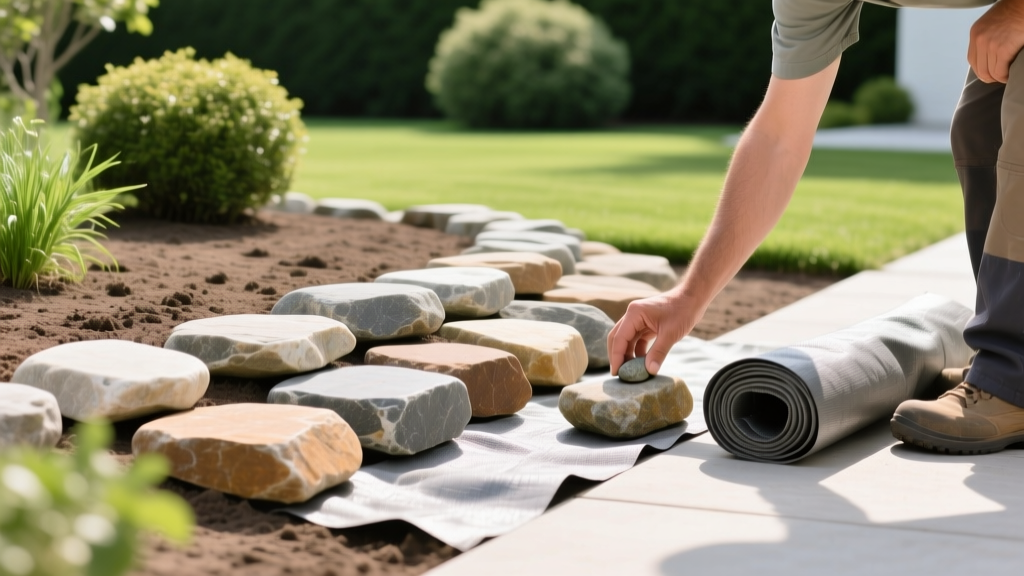
How to Install Rock Ground Cover for Weed-Free Landscaping
Installing rock ground cover is one of the most effective ways to eliminate weeding, reduce water usage, and establish a permanent landscape design. However, simply dumping gravel over bare soil guarantees failure. Without proper excavation, grading, and fabric selection, rock ground cover will sink into the mud, migrate into adjacent lawns, and eventually harbor wind-blown weeds. This guide details the exact specifications, material costs, and installation techniques required to build a rock ground cover bed that remains pristine for decades.
Material Calculations and 2026 Cost Breakdown
Selecting the right stone dictates your required excavation depth and overall budget. Angular rocks interlock and resist movement, while rounded stones shift underfoot. Below is the current pricing and specification matrix for the most common rock ground cover materials.
| Material Type | Recommended Size | Required Depth | 2026 Avg Cost (Per Ton) | Best Application |
|---|---|---|---|---|
| River Rock | 1.5" - 3" | 3 inches | $75 - $120 | Decorative beds, dry creek beds, drainage swales |
| Crushed Gravel | 3/4" minus | 2.5 inches | $45 - $65 | Driveways, high-traffic paths, utility areas |
| Decomposed Granite (DG) | Fine (1/4" minus) | 3 inches | $60 - $85 | Patios, walkways (requires polyurethane stabilizer) |
| Pea Gravel | 3/8" | 2 inches | $40 - $55 | Play areas, dog runs (note: shifts easily underfoot) |
Volume Calculation: To calculate tonnage, multiply your bed's length (ft) × width (ft) × depth (ft), then divide by 21.6 (the number of cubic feet in a ton of average gravel). For a 10x20 foot bed at a 3-inch (0.25 ft) depth: (10 × 20 × 0.25) / 21.6 = 2.31 tons. Always order 10% extra to account for compaction and edging overlap.
Step 1: Excavation and Soil Grading
The most common failure mode in rock landscaping is improper grading, which leads to water pooling against home foundations or washing the rock away during heavy storms. According to guidelines from University of Minnesota Extension, maintaining positive drainage away from structures is critical for both soil health and structural integrity.
- Mark the Perimeter: Use landscaping spray paint to outline the bed. Ensure a minimum 2-foot clearance from tree trunks to prevent root suffocation.
- Excavate: Dig out the entire area to a depth of 4 to 5 inches. This accounts for 2-3 inches of rock, plus the thickness of the fabric and edging.
- Grade the Soil: Rake the subsoil to create a slope of 1/4 inch per foot away from any foundations. Tamp the soil firmly with a plate compactor or hand tamper to create a rigid sub-base.
- Apply Pre-Emergent: Before laying fabric, apply a granular pre-emergent herbicide (such as prodiamine) directly to the bare soil to neutralize any existing weed seeds in the topsoil layer.
Step 2: Selecting and Installing the Weed Barrier
Not all landscape fabrics are created equal. Cheap, solid plastic sheets suffocate the soil microbiome and create massive runoff issues. Non-woven spunbond fabrics are designed for French drains, not weed suppression. You must use a professional-grade woven polypropylene fabric.
Fabric Comparison Matrix
- Woven Polypropylene (3.2 oz/sq yd): The industry standard. Allows water and gas exchange while blocking 99% of weeds. UV-stabilized for up to 5 years of exposure. (Recommended)
- Non-Woven Spunbond: Highly permeable but lacks the tensile strength to stop aggressive weeds like bindweed or bermudagrass. Use only under drain rock.
- Solid Black Plastic: Never use under rock ground cover. It destroys soil structure, kills beneficial earthworms, and causes water to pool and flood adjacent areas.
Roll the woven fabric over the graded soil. When joining multiple rolls, overlap the seams by a minimum of 6 inches. Secure the fabric every 3 feet using 11-gauge galvanized landscape staples (U-pins). Do not pull the fabric drum-tight; leave a slight ripple to allow for soil settling without tearing the weave.
Step 3: Securing Perimeter Edging
Rock ground cover will naturally migrate into adjacent lawn areas over time due to foot traffic, leaf blowing, and gravity. Physical edging is non-negotiable.
Specification Warning: Avoid Plastic Edging
Consumer-grade black plastic coil edging degrades under UV exposure and warps under the lateral pressure of heavy stone. Always use 8-inch heavy-duty galvanized steel or aluminum landscape edging. Bury 6 inches underground, leaving 2 inches exposed above the final rock grade to contain the stone while remaining easily hidden by the rock layer.
Drive the steel edging stakes at a 45-degree angle into the soil, spacing them no more than 3 feet apart. On curved beds, use a rubber mallet to bend the steel gradually, or cut relief slits into the back flange of the edging to allow it to flex without kinking.
Step 4: Spreading the Rock Ground Cover
Once the fabric and edging are secured, it is time to spread the stone. As noted by Penn State Extension, proper mulch and ground cover application depth is vital to prevent moisture trapping and material waste.
Pro Installer Tip: The Plywood Wheelbarrow Trick
Never dump a heavy wheelbarrow of rock directly onto landscape fabric. The concentrated point-load from the wheel and the impact of dropped rocks will puncture the woven fabric, creating a weak point for weeds. Lay a 4x8 foot sheet of 3/4-inch plywood over the fabric. Dump the rock onto the plywood, then rake it off into the bed. Move the plywood as you progress across the yard.
Use a heavy-duty metal landscape rake to spread the rock to your calculated depth. Avoid using plastic leaf rakes, which will bend under the weight of the stone. If you are using Decomposed Granite (DG) for a walkway, apply a polyurethane pathway stabilizer (such as TechniSoil G3) after spreading and wetting the DG. This binds the fine particles together, creating a hard, permeable surface that resists erosion and mud without acting like solid concrete.
Long-Term Maintenance and Troubleshooting
While rock ground cover is marketed as 'zero maintenance,' it requires specific seasonal care to prevent degradation.
Managing the 'Soil Creep' Failure Mode
Over several years, topsoil and organic matter from adjacent lawn areas will blow or wash over your steel edging, accumulating on top of your weed barrier. This layer of dirt becomes a perfect seedbed for wind-blown weeds. To prevent this, use a backpack leaf blower on a low setting every autumn to blow organic debris out of the rock bed before it decomposes. Never use a metal rake to clean leaves out of rock beds, as the tines will snag and tear the woven fabric beneath the stone.
Replenishing and Top-Dressing
Unlike organic mulch, rock does not decompose. However, smaller stones like pea gravel and 3/4" crushed granite will slowly work their way down through the soil profile over a decade, especially in regions with heavy freeze-thaw cycles. Plan to order a light top-dressing (0.5 tons per 1,000 sq ft) every 7 to 10 years to maintain the proper depth and ensure the weed barrier remains completely hidden from UV rays, which will eventually degrade exposed polypropylene.

