
Gardening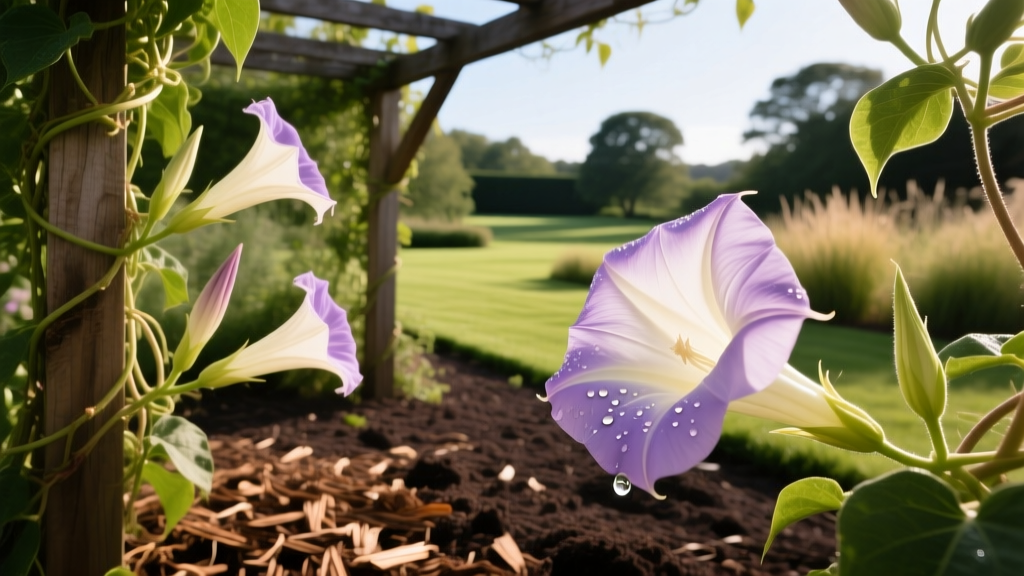
How to Grow a Moon Flower Garden: Planting & Care Guide
The Botanical Profile of Ipomoea alba
The moon flower (Ipomoea alba, formerly Calonyction aculeatum) is a fast-growing, night-blooming tropical vine prized for its massive, 5-to-6-inch fragrant white blossoms that open at dusk and close by dawn. Unlike its daytime cousin, the morning glory, the moon flower relies on nocturnal pollinators, specifically the sphinx moth. Successfully establishing a moon flower garden requires overcoming its hard seed coat, managing its aggressive vegetative growth, and engineering a support structure capable of bearing significant weight. This guide details the exact protocols for cultivating Ipomoea alba from seed to full bloom.
Phase 1: Seed Scarification and Germination Protocol
Moon flower seeds possess a thick, impermeable testa (seed coat) that prevents water absorption. Direct sowing without preparation results in germination rates below 20%. According to the National Gardening Association, mechanical scarification combined with thermal soaking increases germination success to over 85%.
Step-by-Step Scarification
- Surface Nicking: Using a standard metal nail file or 120-grit sandpaper, gently abrade the outer seed coat until the color shifts from matte black to a pale brown. Do not file deeply enough to expose the white endosperm, which invites fungal pathogens.
- Thermal Soak: Submerge the scarified seeds in water heated to exactly 100°F to 105°F. Maintain this temperature using a seedling heat mat or a thermos. Soak for 24 hours. The seeds will swell to twice their original size.
- Sowing Depth: Plant seeds exactly 1/4-inch deep. Deeper planting restricts the hypocotyl from pulling the cotyledons above the soil line, leading to rot.
Crucial Container Selection: Moon flowers develop a sensitive, deep taproot and suffer severe transplant shock if their root systems are disturbed. Never use standard plastic cell trays. Sow seeds directly into 3-inch biodegradable cow pots or compressed peat pots that can be planted whole into the garden. Alternatively, use soil block makers to create 2-inch free-standing soil blocks.
Phase 2: Trellis Engineering and Load-Bearing Support
A common failure in moon flower gardens is structural collapse. Ipomoea alba can grow 10 to 15 feet in a single season. When fully foliated and saturated with morning dew or rain, a single 15-foot vine can weigh over 40 pounds. Flimsy tomato cages and lightweight bamboo teepees will buckle by mid-August.
Trellis Material Comparison Matrix
| Material | Load Capacity | Lifespan | Estimated Cost (2026) | Verdict |
|---|---|---|---|---|
| Bamboo Poles & Twine | Low (15 lbs) | 1-2 Years | $15 - $25 | Not recommended; high wind failure risk. |
| Wooden Lattice (1x2) | Medium (40 lbs) | 5-7 Years | $45 - $60 | Acceptable if anchored to a solid fence. |
| Concrete Remesh (6x6 grid) | High (100+ lbs) | 15+ Years | $20 - $30 per panel | Best Value: Ideal for heavy vine loads. |
| Cattle Panels (16ft) | Extreme (200+ lbs) | 20+ Years | $35 - $45 per panel | Premium Choice: Requires T-post installation. |
For a permanent moon flower garden, drive two 8-foot steel T-posts 2 feet into the ground, spaced 8 feet apart. Zip-tie a 5-foot by 16-foot concrete reinforcing wire panel to the posts. The 6-inch grid squares provide ample space for the vine's twining petioles to grip and allow easy access for deadheading and pest inspection.
Phase 3: Soil Chemistry and Transplanting
Moon flowers are highly responsive to soil nitrogen levels. Excess nitrogen triggers aggressive vegetative growth at the expense of flower production. The NC State Extension notes that Ipomoea alba thrives in moderately fertile, well-draining soil with a pH between 6.0 and 7.0.
Fertilizer Selection and Application
- Avoid High Nitrogen: Do not use balanced fertilizers like 10-10-10 or lawn runoff high in nitrogen. This will result in a massive wall of heart-shaped green leaves with zero blooms.
- Targeted Phosphorus: At the time of transplanting, amend the planting hole with a low-nitrogen, high-phosphorus fertilizer. A 5-10-10 NPK ratio (such as Jobe's Organics Bloom Booster, typically priced around $8.50 per 2.5 lb bag) stimulates root development and bud set.
- Organic Alternatives: Incorporate 1/4 cup of steamed bone meal per planting hole to provide a slow-release phosphorus source throughout the growing season.
Transplant Timing: Moon flowers are extremely frost-tender. Do not transplant outdoors until nighttime air temperatures consistently remain above 55°F and the soil temperature at a 4-inch depth has reached at least 70°F. Space transplants 12 to 18 inches apart at the base of the trellis to ensure adequate airflow, which mitigates fungal diseases like rust and powdery mildew.
Troubleshooting Establishment and Growth Failures
Even with proper scarification, environmental variables can disrupt establishment. Use this diagnostic framework to correct common issues.
Diagnostic Decision Tree
Symptom: Seeds swell but fail to sprout after 14 days.
Cause: Damping-off disease or soil temperatures below 65°F.
Fix: Discard rotted seeds. Ensure soil blocks are kept moist but not waterlogged. Apply a bottom-heat mat set to 75°F.
Symptom: Vine grows 8+ feet but produces no flower buds.
Cause: Nitrogen toxicity from heavy compost application or proximity to fertilized lawn zones.
Fix: Cease all nitrogen applications. Water heavily to leach excess salts from the root zone. Apply a foliar spray of liquid kelp (0-0-1) to encourage reproductive growth.
Symptom: Buds form but drop before opening.
Cause: Inconsistent soil moisture or extreme heat stress (daytime temps exceeding 95°F).
Fix: Apply a 2-inch layer of straw mulch around the base to retain soil moisture. Implement drip irrigation to deliver 1 inch of water per week directly to the root zone, avoiding overhead watering.
Frequently Asked Questions
Are moon flowers toxic to pets and humans?
Yes. Like many members of the Convolvulaceae family, the seeds of Ipomoea alba contain ergoline alkaloids, which can cause severe gastrointestinal distress and neurological symptoms if ingested by humans, dogs, or cats. Plant them away from areas where pets frequently forage, and deadhead spent blooms before they form seed pods if you have curious toddlers.
Can I grow moon flowers in containers?
Yes, but container size is critical. Because of the extensive taproot, use a minimum 15-gallon container (at least 18 inches deep) filled with a well-draining potting mix amended with 20% perlite. You will need to water container-grown moon flowers daily during peak summer heat and provide a heavy-duty obelisk trellis anchored inside the pot to prevent wind-tip.
Will moon flowers reseed themselves in the garden?
In USDA Hardiness Zones 9-11, moon flowers act as tender perennials and will readily self-seed. In Zones 3-8, they are grown as annuals. While they can drop seeds that survive mild winters, the hard seed coat means natural scarification (via freezing/thawing cycles) is inconsistent. For reliable garden establishment in northern zones, collect the dried, papery seed pods in late autumn, store them in a cool, dry place, and manually scarify them the following spring.