
Gardening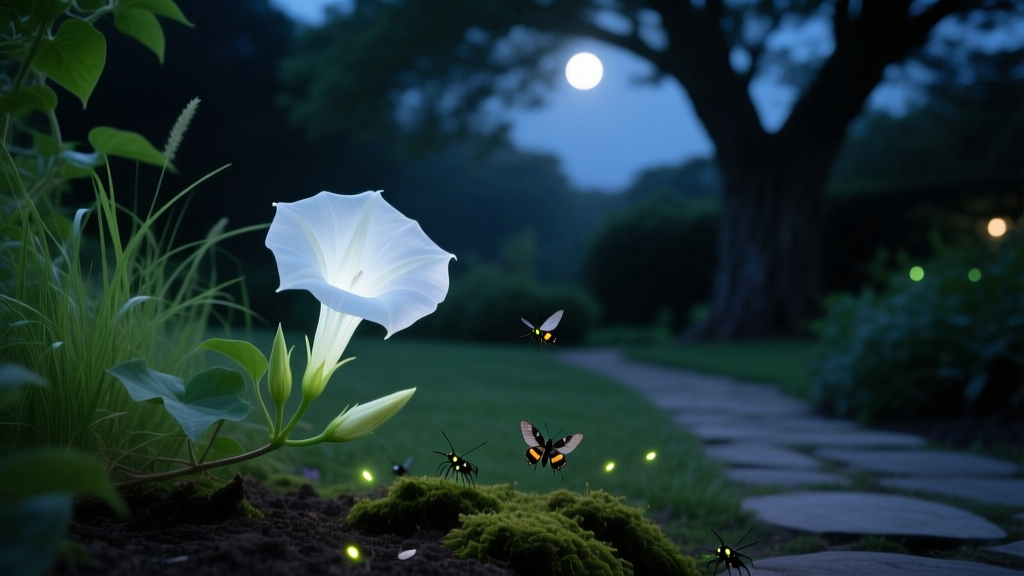
Growing Moonflower at Night: A Beginner's Evening Garden Guide
The Magic of the Evening Garden
Most gardeners focus on daytime blooms, but the evening garden offers a unique, sensory-rich experience. If you are looking to transform your backyard after sunset, growing Ipomoea alba, commonly known as the moonflower, is one of the most rewarding projects for beginners. Unlike its cousin, the morning glory, the moonflower at night is when the real show begins. Its massive, 6-inch white blossoms unfurl at dusk, reflecting moonlight and releasing a sweet, lemony fragrance that attracts nocturnal pollinators.
This guide provides exact measurements, structural requirements, and botanical insights to ensure your moonflowers thrive, avoiding the common pitfalls that cause these vigorous vines to fail.
The Science of the Bloom: Why Moonflower Opens at Night
The nocturnal blooming habit of Ipomoea alba is an evolutionary adaptation designed to attract specific pollinators, primarily the sphinx moth (Manduca sexta). According to NC State Extension, the pure white color of the petals acts as a visual beacon in low-light conditions, while the intense fragrance serves as a chemical guide. The flowers typically begin to unfurl around 6:00 PM to 7:00 PM, depending on your local sunset time, and will remain open until the following morning, after which they wither and drop. A single healthy vine can produce dozens of these ephemeral blooms in a single night during peak late-summer season.
Site Selection and Soil Preparation
Moonflowers are native to tropical and subtropical regions of the Americas, meaning they demand heat and sunlight to fuel their rapid vertical growth.
- Light Requirements: Minimum 8 hours of direct, unfiltered sunlight daily. While they will grow in partial shade, bloom production will drop by up to 60%.
- Soil pH: Slightly acidic to neutral (6.0 to 7.0). Test your soil before planting.
- Drainage: They require well-draining soil. Heavy clay will cause root rot. If you have clay soil, amend the top 12 inches with a 50/50 mix of native soil and coarse compost.
- Fertility: Avoid highly fertile soil. Excess nitrogen promotes massive leaf growth at the expense of flowers.
⚠️ Toxicity Warning: All parts of the moonflower, especially the seeds, contain ergine (LSA), a naturally occurring tryptamine that is toxic to humans, dogs, and cats if ingested. If you have pets that chew on garden plants or small children, plant moonflowers in raised beds or enclosed trellis areas where seed pods can be easily monitored and removed before they drop.
Step-by-Step Seed Preparation and Planting
Moonflower seeds have an incredibly hard, impermeable outer coat. If you plant them directly into the soil without preparation, germination can take months, or they may rot before sprouting. Proper scarification is non-negotiable for success.
1. Scarification
Using a standard metal nail file or a piece of 120-grit sandpaper, gently nick the outer seed coat. You only need to create a small, visible scratch on the side of the seed—do not file all the way through to the white endosperm inside. This micro-abrasion allows water to penetrate the seed.
2. The 24-Hour Soak
Place the scarified seeds in a thermos or insulated cup filled with warm water (ideally 85°F). Let them soak for exactly 24 hours. The seeds will swell to nearly twice their original size. Discard any seeds that are still floating and hard after 24 hours; they are likely non-viable.
3. Sowing
Sow the seeds directly into the garden after your last spring frost date, once soil temperatures have consistently reached 70°F. Plant them 1/2 inch deep and space them 6 to 12 inches apart. Water the soil gently but deeply to a depth of 4 inches. Germination typically occurs within 10 to 14 days.
Trellising and Support Structures
A common beginner mistake is underestimating the sheer size and weight of a mature moonflower vine. By late August, a single vine can reach 15 feet in height and span 6 feet wide. When wet from rain or heavy morning dew, the vine can weigh over 40 pounds.
Flimsy bamboo stakes, lightweight plastic netting, and decorative wooden obelisks will collapse under this weight. Instead, invest in heavy-duty agricultural materials:
- The Cattle Panel Method: Purchase a 16-foot galvanized steel cattle panel (typically $35–$45 at farm supply stores). Bend it into an arch or lean it against a sturdy structure.
- T-Post Anchors: Secure the base and top of your trellis using 8-foot steel T-posts (approx. $6 each), driven at least 18 inches into the ground with a post driver.
- Heavy-Duty Nylon Netting: If attaching to a fence, use extruded plastic or nylon trellis netting rated for at least 50 lbs of tension, secured with heavy-duty zip ties every 6 inches.
Evening Garden Companion Matrix
To create a layered sensory experience, pair your moonflowers with other night-blooming or evening-fragrant plants. Here is a comparison to help you plan your garden beds.
| Plant Name | Bloom Time | Fragrance Profile | Growth Habit |
|---|---|---|---|
| Moonflower (Ipomoea alba) | Dusk to Dawn | Sweet, lemony, intense | Vigorous climber (15ft) |
| Evening Primrose (Oenothera biennis) | Late afternoon | Mild, sweet citrus | Upright perennial (3-5ft) |
| Night-Blooming Jasmine (Cestrum nocturnum) | Night only | Overpowering, heavy floral | Shrub (Zones 8-11) |
| Four O'Clocks (Mirabilis jalapa) | 4:00 PM to morning | Light, fruity jasmine | Bushy annual (2-3ft) |
Troubleshooting Common Moonflower Issues
Even with proper planting, environmental factors can disrupt your evening display. Use this diagnostic guide to correct issues quickly.
Problem: Massive Leaves, Zero Flowers
The Cause: Nitrogen toxicity. This usually happens when gardeners apply a high-nitrogen lawn fertilizer (like a 24-8-16 NPK ratio) near the root zone, or plant in soil heavily amended with fresh manure.
The Fix: Stop all nitrogen applications. Apply a liquid bloom-booster fertilizer with a 5-10-10 NPK ratio at half-strength every two weeks to force the plant to shift energy from vegetative growth to flower production.
Problem: Buds Form but Turn Yellow and Drop Before Opening
The Cause: Inconsistent watering or extreme heat stress. Moonflowers require consistent moisture to push water into the rapidly expanding flower buds.
The Fix: Implement a strict watering schedule. Provide 1 inch of water per week (approx. 0.6 gallons per square foot). Apply a 2-inch layer of organic mulch (like shredded hardwood) around the base to regulate soil temperature and retain moisture.
Problem: Leaves Covered in Sticky Residue and Black Soot
The Cause: Aphid infestation leading to sooty mold. Aphids cluster on the tender new growth at the top of the vine.
The Fix: Spray the affected areas with insecticidal soap mixed at a rate of 2.5 tablespoons per gallon of water. Apply in the early evening to avoid burning the leaves in the daytime sun and to avoid harming daytime pollinators like bees.
Pro Tip for Extended Blooms: According to the Old Farmer's Almanac, deadheading is generally not required for moonflowers because the spent blooms drop off naturally. However, if you want to prevent the plant from putting energy into forming toxic seed pods—and instead force it to produce more flowers—snip off the withered blooms at the base of the pedicel every morning.
Frequently Asked Questions
Can I grow moonflowers in containers?
Yes, but you need a massive container. A standard 12-inch pot will stunt the vine. Use a minimum 20-gallon container (at least 18 inches deep and wide) filled with a high-quality potting mix blended with 20% perlite for drainage. You will also need to anchor a heavy-duty trellis directly into the pot or place the pot against a structural wall.
Will moonflowers come back next year?
In USDA Hardiness Zones 9-11, Ipomoea alba can behave as a short-lived perennial. In Zones 8 and below, it is strictly a tender annual and will die with the first frost. However, if you allow a few seed pods to dry on the vine in autumn, you can harvest the seeds, store them in a cool, dark place, and replant them the following spring.
How long does it take for a moonflower to bloom from seed?
From the day you sow the scarified seed to the first evening bloom, expect a timeline of 90 to 120 days, depending on your local heat units and sunlight exposure. Start seeds indoors 4-6 weeks before your last frost if you live in a northern climate with a short growing season, using biodegradable peat pots to avoid disturbing their sensitive taproots during transplanting.

