
Gardening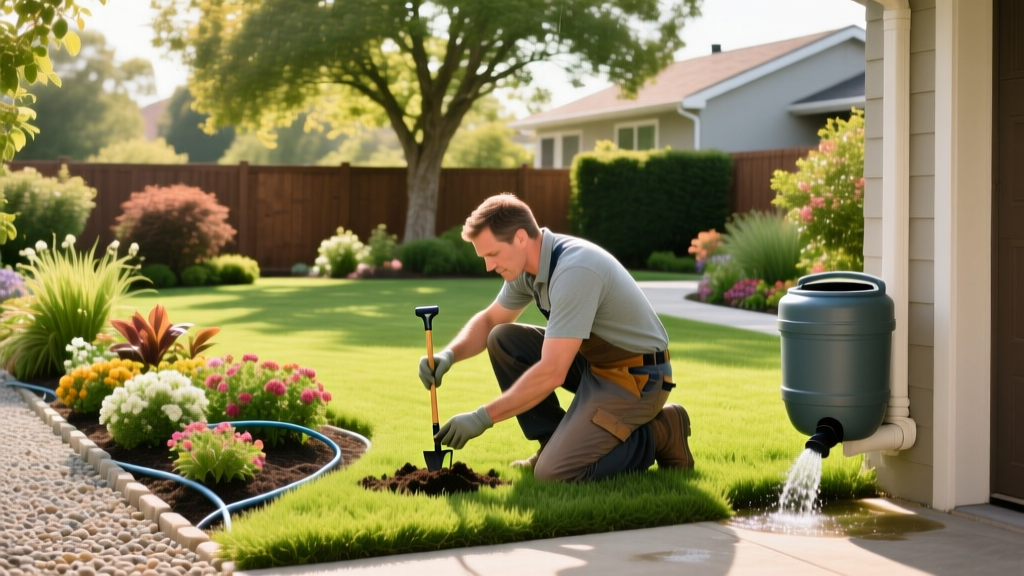
Is It Illegal to Harvest Rainwater for Your Garden? State Laws
The Direct Answer: Is It Illegal to Harvest Rainwater?
If you are asking, "is it illegal to harvest rainwater" to irrigate your tomatoes, hydrangeas, or raised vegetable beds, the short answer is no. In the vast majority of the United States, collecting rainwater for residential outdoor gardening is entirely legal and often actively encouraged by local municipalities. However, the long answer is heavily dependent on your specific zip code, state water rights doctrines, and even your neighborhood Homeowners Association (HOA) covenants.
While the federal government does not regulate rainwater harvesting, state and local jurisdictions enforce a patchwork of laws governing catchment capacity, system design, and end-use. Misunderstanding these regulations can result in fines, forced system dismantling, or civil disputes. This guide breaks down the legal frameworks, state-specific limits, and actionable steps to ensure your garden's water catchment system is fully compliant in 2026.
⚖️ Legal Disclaimer: Water rights laws are subject to legislative updates. Always verify current municipal codes and state statutes with your local Department of Water Resources or a qualified legal professional before installing high-capacity catchment systems.
The Core Legal Framework: Why Rainwater Laws Exist
To understand why some states restrict rain from falling into a barrel, you must understand the two primary water law doctrines in the United States:
1. Riparian Rights (Eastern & Midwestern US)
Under the riparian doctrine, landowners whose property borders a body of water have the right to make reasonable use of it. Because water is generally abundant in these regions, state governments view rainwater as a private property right. If you live in states like New York, Florida, or Ohio, rain that falls on your roof is legally yours to capture and use for your garden without state interference.
2. Prior Appropriation (Western US)
The Western US operates under the doctrine of "Prior Appropriation," often summarized as "first in time, first in right." In arid states like Colorado, Utah, and Nevada, all precipitation is legally considered the property of the state, allocated to senior water rights holders (often agricultural or municipal entities). The legal theory is that if every homeowner captured roof runoff, it would cumulatively deplete the snowmelt and rain that feeds downstream reservoirs and rivers. Consequently, these states historically banned rainwater harvesting, though modern drought pressures have forced legislative compromises.
State-by-State Rainwater Harvesting Legality Matrix
Below is a comparison matrix detailing how different states regulate residential rainwater harvesting for outdoor garden use. For a comprehensive, continuously updated legislative tracker, the National Conference of State Legislatures (NCSL) maintains an excellent database on state water policies.
| State | Legal Status | Max Capacity (Unpermitted) | Key Restriction / Requirement |
|---|---|---|---|
| Colorado | Restricted Legal | 110 Gallons | Max of two barrels; must be used on residential property for outdoor purposes only. |
| Utah | Legal (Registered) | 2,500 Gallons | Must register with the Division of Water Rights (free for under 2,500 gal). |
| Texas | Highly Incentivized | Unlimited | HOAs cannot ban systems; indoor use requires strict plumbing code compliance. |
| Nevada | Highly Restricted | N/A | Generally prohibited without a formal water right permit, with minor exceptions. |
| Ohio | Legal | Unlimited | Allowed for non-potable outdoor use; indoor use requires EPA-compliant treatment. |
Navigating HOA Rules and Municipal Zoning
Even if your state explicitly permits rainwater harvesting, your most immediate legal hurdle is often your Homeowners Association (HOA) or local municipal zoning board. Historically, HOAs banned rain barrels under "aesthetic nuisance" clauses, arguing they attract mosquitoes or lower property values.
Overriding HOA Bans with State Right-to-Harvest Laws
Many drought-prone states have passed legislation that legally overrides private HOA covenants. For example, Texas Property Code Section 202.007 explicitly states that an HOA may not include or enforce a provision that prohibits a property owner from using a rain barrel or rainwater harvesting system. Similar protections exist in Florida, Colorado, and Maryland.
⚠️ Warning: While states can prevent HOAs from banning rain barrels outright, HOAs can still enforce reasonable placement and screening rules. They may require you to place the barrel in the backyard, behind a fence, or use a specific color palette to match your home's exterior.
Sizing Your Legal Rainwater Catchment System
Compliance isn't just about buying a barrel; it's about understanding the math of roof runoff to ensure you don't accidentally violate capacity limits or cause property damage through overflow.
The Catchment Math Formula
Every 1,000 square feet of roof surface area yields approximately 623 gallons of water per inch of rainfall.
- The Colorado Problem: If you live in Colorado (legal limit: 110 gallons) and have a modest 1,500 sq. ft. roof footprint, a mere 0.12 inches of rain will completely fill your two legal barrels.
- The Solution: You must install an automated bypass diverter valve. Once the 110-gallon capacity is reached, the valve redirects excess water back into the downspout and away from your foundation, keeping you legally compliant and preventing soil erosion around your garden beds.
Essential Components for a Compliant Garden System
To meet municipal health codes and prevent mosquito breeding (a common zoning violation), your system must include specific components:
- Food-Grade HDPE Barrels: Avoid repurposing chemical drums. Purchase UV-resistant, food-grade High-Density Polyethylene (HDPE) barrels, such as the Good Ideas Rain Wizard 65-Gallon or RTS Home Accents 50-Gallon. These prevent algae growth and chemical leaching into your vegetable garden soil.
- 316 Stainless Steel Mesh Screens: A fine mesh screen (minimum 1mm aperture) is legally required in most counties to prevent Aedes aegypti mosquitoes from laying eggs in the standing water.
- First-Flush Diverters: This PVC pipe attachment isolates the first 5 to 10 gallons of roof runoff—which is heavy with bird droppings, pollen, and asphalt shingle grit—before allowing clean water to enter the main barrel. This is critical for keeping heavy metals and pathogens out of your edible garden beds.
Frequently Asked Questions (FAQ)
Can I use harvested rainwater on my vegetable garden?
Yes, in almost all jurisdictions where rainwater harvesting is legal, outdoor use on ornamental and edible gardens is the primary permitted application. However, avoid using roof water directly on leafy greens (like spinach or lettuce) right before harvest if your roof contains treated wood shakes or old asphalt shingles, due to potential trace chemical runoff.
Do I need a permit to install a rain barrel?
In states with Riparian water rights (most of the US East Coast and Midwest), no permit is required for standard residential rain barrels under 100 gallons. In Prior Appropriation states like Utah, you must file a free registration form with the state engineer if your system exceeds 200 gallons.
Is it illegal to harvest rainwater for indoor plumbing?
Using rainwater for indoor potable use (drinking, showering) is heavily regulated and often illegal without commercial-grade UV filtration, reverse osmosis, and municipal health department inspections. Using it for indoor non-potable fixtures (like toilet flushing) is legal in states like Texas and Arizona, but requires a dedicated, color-coded purple pipe system to prevent cross-contamination with the city water supply.

