
Gardening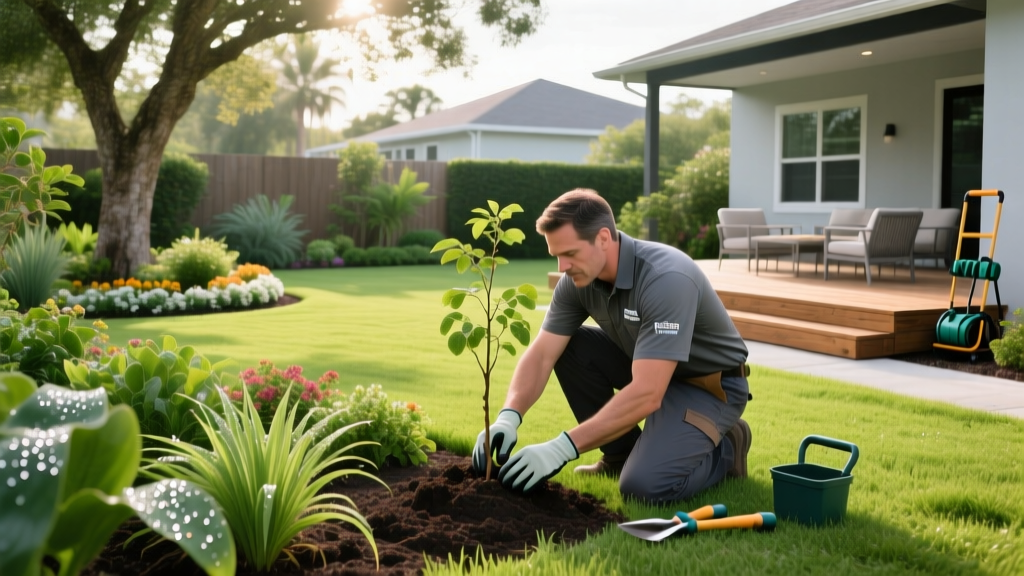
Planting Guide: Sourcing from JMB Bros Inc. Plant City FL
The Central Florida Microclimate Challenge
Establishing a robust landscape in Hillsborough County requires navigating a unique set of horticultural hurdles. Plant City, situated in USDA Hardiness Zone 9b, is characterized by intense solar radiation, high summer humidity, and native Myakka fine sand soils that drain rapidly while holding virtually no nutrients. For homeowners and landscaping professionals alike, the margin for error during the planting and establishment phase is remarkably slim. A successful landscape installation here is not just about digging a hole and dropping in a root ball; it demands a strategic approach to soil amendment, precise hydration scheduling, and, crucially, sourcing plant materials that are already acclimated to the local microclimate.
This is where leveraging regional agricultural and landscape suppliers becomes a critical success factor. Sourcing materials from established local operations like JMB Bros Inc. Plant City FL provides a distinct biological and logistical advantage over importing plants from out-of-state big-box retailers. This guide outlines the exact protocols for preparing Central Florida soils, planting acclimated turf and shrubs, and navigating the critical first 90 days of establishment.
The Local Sourcing Advantage: Why Acclimation Matters
When you purchase St. Augustinegrass or native shrubs from a national chain store, that inventory is often grown in Georgia, South Carolina, or even further north. When these plants are shipped to Central Florida, they experience severe transplant shock. The shift in soil microbiology, humidity levels, and daylight intensity can stall root development for months, leaving the plants vulnerable to pests and drought.
By sourcing directly from local cultivators and suppliers such as JMB Bros Inc. in Plant City, FL, you are securing plant material that has been propagated in the exact environmental conditions it will live in. Local sod farms and nurseries utilize regional rootstocks that have developed natural resistances to Hillsborough County's endemic pests, such as the southern chinch bug (Blissus insularis) and sting nematodes (Belonolaimus longicaudatus). Furthermore, local sourcing drastically reduces the carbon footprint of your project and ensures you are getting fresh inventory that hasn't been sitting on a hot retail pallet for weeks.
Preparing Plant City’s Native Sandy Loam
The native soil in the Plant City area is predominantly Myakka fine sand. While excellent for drainage, it is notoriously deficient in organic matter and typically presents a highly acidic pH ranging from 4.5 to 5.5. Most turfgrasses and ornamental shrubs require a pH between 6.0 and 6.5 to effectively uptake nutrients. Before laying sod or planting shrubs, you must amend the soil profile.
Soil Amendment Matrix for Zone 9b
| Amendment | Application Rate (per 1,000 sq ft) | Estimated Cost | Primary Purpose |
|---|---|---|---|
| Dolomitic Lime | 50 - 75 lbs | $15 - $22 | Raises pH to 6.0; adds Calcium and Magnesium |
| Organic Compost | 1.0 cubic yard | $45 - $65 | Increases water retention and cation exchange capacity (CEC) |
| Permatill (Expanded Shale) | 10% by volume in planting holes | $30 per bag | Prevents soil compaction around shrub root balls |
| Milorganite (Slow-Release N) | 32 lbs | $20 - $25 | Provides non-burning nitrogen and iron for initial root push |
Expert Insight: Never rototill compost deeper than the top 4 to 6 inches of the soil profile. Tilling too deeply in sandy soils creates a 'bathtub' effect, where water pools in the loose amended zone and drowns the roots. According to the UF/IFAS Turfgrass Science program, shallow incorporation ensures the roots are forced to drive downward into the native soil to seek moisture, establishing a deeper, more drought-tolerant root system.
Step-by-Step Establishment Protocol
Once the soil is graded and amended, follow this precise installation sequence to minimize transplant shock and accelerate root knitting.
- Grade for Drainage: Ensure the final grade slopes away from the home's foundation at a minimum drop of 1/4 inch per foot. In flat Plant City lots, you may need to import fill dirt to create a gentle crown in the yard.
- Shrub Planting Depth (The 1-Inch Rule): When planting Florida-native shrubs like Simpson’s Stopper (Myrcianthes fragrans) or Walter’s Viburnum (Viburnum obovatum), dig the hole twice as wide as the container, but 1 inch shallower than the root ball. Planting shrubs slightly above grade prevents the root flare from being buried, which is the leading cause of Phytophthora root rot in Central Florida.
- Sod Installation: Lay St. Augustine 'Floratam' or Zoysia 'Empire' sod tightly together, staggering the seams like a brick wall to prevent water channels from forming. Immediately after laying, roll the sod with a water-weighted lawn roller to eliminate air pockets between the roots and the soil.
- Immediate Hydration: Within 30 minutes of installation, apply 0.5 inches of water across the entire newly planted area. This settles the soil and initiates the capillary action required for root-to-soil contact.
The 90-Day Watering & Rooting Matrix
Overwatering is just as lethal as underwatering in Florida's humid climate. Constantly saturated sandy soils breed fungal pathogens like Pythium blight. Follow this strict tapering schedule to train the roots to grow deep.
- Days 1–14: Apply 0.25 inches of water daily, preferably between 4:00 AM and 6:00 AM to minimize evaporation and wind drift.
- Days 15–30: Reduce frequency to every other day, but increase the volume to 0.5 inches per session. Check for root resistance by gently tugging on the sod or shrub base.
- Days 31–60: Water twice a week, applying 0.75 inches per session. This forces roots to stretch deeper into the soil profile to chase the moisture line.
- Days 61–90: Transition to standard Florida-Friendly Landscaping guidelines: apply 0.5 to 0.75 inches only when the lawn shows signs of wilt (folding leaf blades, blue-gray tint).
Florida-Friendly Landscaping Tip: To ensure your irrigation system is delivering the exact volumes listed above, conduct a catch-can test. Place 5 identical tuna cans in different zones of your yard, run the system for 15 minutes, and measure the water depth. Adjust your run times accordingly. For more on sustainable practices, consult the Florida-Friendly Landscaping program.
Troubleshooting Common Establishment Failures
Even with perfect soil prep, Central Florida's pest pressure can derail a new landscape. Here is how to identify and treat the most common issues seen in Hillsborough County installations.
| Symptom | Probable Cause | Corrective Action |
|---|---|---|
| Sod pulls up easily after 3 weeks; yellowing margins | Ground pearls or Sting Nematodes | Test soil via local extension office; switch to nematode-resistant Zoysia or Bahia cultivars. |
| Shrub leaves dropping; black sooty mold on stems | Whitefly infestation stressing the plant | Apply horticultural oil or a systemic imidacloprid drench after the plant has finished blooming to protect pollinators. |
| Brown, irregular patches in St. Augustine; purple borders | Brown Patch Fungus (Rhizoctonia) | Reduce watering frequency immediately; apply azoxystrobin-based fungicide; avoid high-nitrogen fertilizers during establishment. |
Long-Term Success in Zone 9b
Establishing a garden in the Plant City area is an exercise in working with the environment rather than fighting it. By prioritizing local, acclimated materials from trusted regional sources like JMB Bros Inc. Plant City FL, you bypass the acclimation gap that causes so many big-box store plantings to fail. Combine this localized sourcing with rigorous soil amendment, precise planting depths, and a disciplined 90-day watering matrix, and your Central Florida landscape will develop the deep, resilient root system required to thrive in the heat, humidity, and sandy soils of Hillsborough County for decades to come.

