
Gardening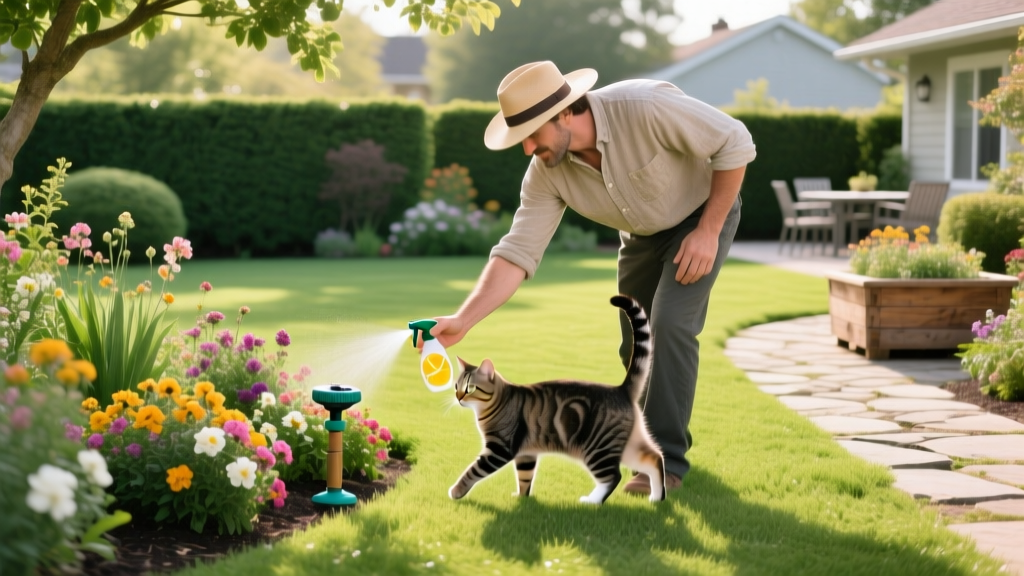
How to Get Cats Out of Garden Beds: 7 Proven Humane Methods
Neighborhood cats view freshly tilled, loose garden soil as a premium, open-air litter box. While this behavior is natural for felines, it is highly destructive to your plants. Cat urine contains high levels of nitrogen and salts that cause severe root burn, while their digging uproots delicate seedlings. More importantly, feline feces can introduce dangerous pathogens into your soil. If you are researching how to get cats out of garden spaces safely and effectively, you need a multi-layered approach that targets their senses and habits without causing harm.
The Hidden Health Risk: Toxoplasmosis in Garden Soil
Before implementing deterrents, it is crucial to understand why cat waste is a critical hazard in edible gardens. Cats are the primary hosts for Toxoplasma gondii, a parasite shed in their feces. According to the Centers for Disease Control and Prevention (CDC), the parasite's oocysts can survive in moist soil for over a year. Ingesting unwashed vegetables grown in contaminated soil, or accidentally ingesting soil while gardening, poses a severe health risk, particularly to pregnant women and immunocompromised individuals.
⚠️ Safety Protocol: If you find cat feces in your vegetable garden, do not simply till it into the soil. Wear heavy-duty nitrile gloves, use a trowel to remove the feces along with a 2-inch radius of surrounding soil, and dispose of it in the municipal trash—not your compost bin.
Physical Barriers: The Most Reliable Deterrent
Scent repellents wash away in the rain, but physical barriers provide 24/7 protection. Cats despise the feeling of wire mesh against their paws when they attempt to dig.
The Chicken Wire Sub-Surface Method
- Material: Purchase 20-gauge galvanized chicken wire with a 1-inch hexagonal mesh. Avoid plastic netting, which degrades in UV light and can trap birds.
- Installation: Lay the wire flat directly over your prepared soil.
- Planting: Cut small 'X' slits in the wire to plant your seeds or transplants.
- Camouflage: Cover the wire with 1 to 2 inches of mulch, pine straw, or compost. The plants will grow up through the mesh, but the wire remains impenetrable to digging claws.
Cost: A 50-foot roll of 20-gauge wire costs approximately $35 to $45 at major hardware stores, providing years of protection.
Prickly Mulch Alternatives
If wire mesh is impractical for established perennial beds, use textured top-dressings. Spread a 2-inch layer of rough-cut bark nuggets, pine cones, or sweetgum balls. Avoid smooth river rocks or pea gravel; cats actually prefer digging in smooth, rounded stones as they mimic the texture of commercial kitty litter.
Motion-Activated Tech: Startling the Senses
When physical barriers are not enough, technology offers a highly effective, hands-off solution. The University of Minnesota Extension notes that intermittent, unpredictable deterrents are far more effective than static ones, as animals quickly habituate to constant stimuli.
Water Deterrents (The Gold Standard)
The Orbit 62100 Yard Enforcer (approx. $75–$85) is the industry standard for humane animal repulsion. It uses an infrared sensor to detect motion up to 35 feet away and fires a sharp, 5-second burst of water.
- Placement: Mount it on a sturdy U-stake at the perimeter of your garden, aiming across the most vulnerable beds.
- Failure Mode: The primary failure point is leaving the unit attached to the hose during freezing winter temperatures, which cracks the internal solenoid valve. Always drain and store it indoors from November to March.
Ultrasonic Repellents
Devices like the Aspectek Ultrasonic Animal Repeller ($30–$40) emit frequencies between 13.5 kHz and 45.5 kHz, paired with a flashing LED strobe. While effective for some cats, ultrasonic waves cannot penetrate solid objects. If a dense shrub or fence blocks the line-of-sight between the speaker and the cat, the device becomes useless. Place them at a height of 12 to 18 inches, angling slightly downward toward the soil.
Scent and Taste Repellents: Separating Fact from Fiction
The internet is flooded with DIY cat repellent myths. Below is a data-driven breakdown of what actually works based on feline olfactory sensitivities.
| Repellent Type | Effectiveness | Reapplication Rate | Notes & Caveats |
|---|---|---|---|
| Used Coffee Grounds | Very Low | Weekly | A persistent myth. Coffee grounds promote fungal mold growth in damp soil and do not deter cats. |
| Citrus Peels | Moderate | Every 3-5 days | Cats dislike limonene. Scatter fresh orange/lemon peels, but replace them before they rot and attract fruit flies. |
| Predator Urine (Coyote/Fox) | High | Every 2 weeks | Triggers deep-seated survival instincts. Available in granular form. Washes away in heavy rain. |
| Essential Oils (Eucalyptus/Lemongrass) | Low to Moderate | Daily | Highly toxic to cats if ingested or absorbed through paws. Not recommended for humane gardening. |
Botanical Deterrents: The 'Scaredy Cat' Plant
You can use a cat's highly sensitive olfactory system against them by integrating specific plants into your landscape design. The most famous is Coleus caninus (often sold as the 'Scaredy Cat' plant or Plectranthus ornatus).
- Scent Profile: To humans, the foliage smells mildly of cilantro or skunk when brushed. To felines, the volatile oils are overwhelmingly offensive.
- Growing Conditions: It thrives in full sun and well-draining soil. It is a tender perennial (Hardiness Zones 10-11), meaning it will die back in frost-heavy regions and must be replanted annually or brought indoors.
- Spacing: Plant them 18 inches apart along the perimeter of your most vulnerable garden beds to create an aromatic wall.
Other effective botanical deterrents include Lavender (Lavandula angustifolia), Rosemary, and Rue (Ruta graveolens). However, Rue can cause skin irritation in humans upon contact, so handle it with gloves.
Create a 'Yes' Zone (Distraction Gardening)
Animal behaviorists recommend providing an alternative rather than just blocking access. Dedicate a small, 3x3 foot patch in the furthest, least visible corner of your yard as a 'cat garden.' Plant Catnip (Nepeta cataria), Catmint, and Lemongrass. By offering them a highly attractive, designated digging and lounging zone, you drastically reduce their motivation to investigate your raised vegetable beds.
Frequently Asked Questions
Will cayenne pepper keep cats out of my garden?
While capsaicin (the active compound in cayenne pepper) irritates a cat's nasal passages and paws, it is not recommended by animal welfare organizations. It can cause severe eye damage and respiratory distress if the cat rubs its face after stepping in it. Stick to humane physical and olfactory barriers.
Do ultrasonic cat repellers bother dogs?
Yes. Dogs have a hearing range that overlaps significantly with cats (up to 45 kHz). If you own a dog or have neighbors with outdoor dogs, ultrasonic devices may cause them anxiety or distress. In these cases, motion-activated sprinklers are the superior choice.

