
Gardening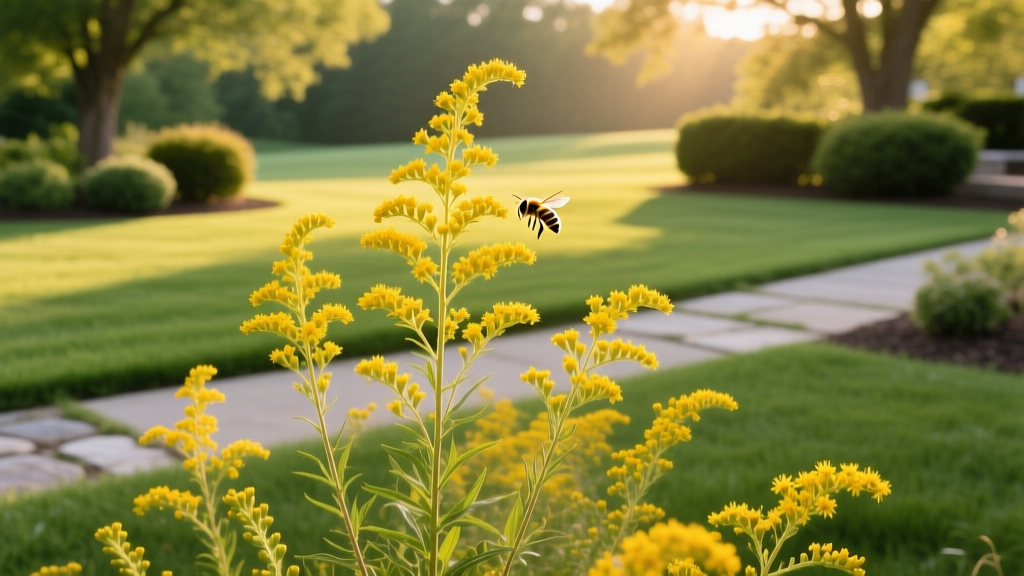
What Is the State Flower of Kentucky? A Goldenrod Growing Guide
The Official State Flower of Kentucky: A Botanical Profile
When researching native flora for a pollinator-friendly landscape, many gardeners ask: what is the state flower of Kentucky? The Kentucky General Assembly officially adopted the goldenrod (genus Solidago) as the state flower in 1926. Rather than singling out one specific species, the designation encompasses the entire genus, which includes over 100 species of herbaceous perennials native to the Americas.
Goldenrod is a cornerstone of late-summer and autumn ecosystems. Its dense, pyramidal clusters of composite flowers provide critical late-season nectar and pollen for migrating monarch butterflies, native bees, and honeybees preparing for winter. According to the USDA Plants Database, Solidago species are highly adaptable, thriving in diverse habitats from limestone glades to woodland edges across the state.
Goldenrod vs. Ragweed: Busting the Allergy Myth
Expert Insight: The Hay Fever Misconception
Goldenrod is frequently blamed for late-summer allergies, but this is a botanical mix-up. Goldenrod pollen is heavy and sticky, designed to be carried by insects, not the wind. The true culprit for autumn hay fever is common ragweed (Ambrosia artemisiifolia), which blooms at the exact same time and produces billions of lightweight, wind-borne pollen grains. Planting goldenrod in your garden will not trigger seasonal allergies.
Identifying Native Kentucky Goldenrod Species
Because the state flower designation covers the entire genus, selecting the right species for your specific garden microclimate is crucial. Some species are aggressive spreaders, while others form tidy, well-behaved clumps. Below is a comparison of three native species commonly found in Kentucky landscapes.
| Species | Common Name | Mature Height | Growth Habit & Spread |
|---|---|---|---|
| Solidago altissima | Tall Goldenrod | 4 to 6 feet | Aggressive rhizomatous spreader; best for wild meadows. |
| Solidago rigida | Rigid Goldenrod | 2 to 3 feet | Clump-forming; non-aggressive; ideal for formal borders. |
| Solidago sphacelata | Autumn Goldenrod | 1 to 2 feet | Compact, woodland-edge native; tolerates partial shade. |
For a deeper dive into the ecological requirements of these native plants, the Lady Bird Johnson Wildflower Center offers extensive regional distribution maps and propagation data for Kentucky gardeners.
How to Cultivate Goldenrod in Your Home Garden
While goldenrod is famously drought-tolerant and resilient, achieving the dense, vibrant floral displays seen in curated gardens requires specific site preparation and maintenance protocols.
Soil Preparation and Planting Depths
Goldenrod thrives in slightly acidic to neutral soil, with an optimal pH range of 6.0 to 7.5. Before planting, conduct a soil test through your local cooperative extension. If your soil is heavy clay—which is common in many parts of Kentucky—amend the planting zone with a 2-inch layer of organic compost to improve drainage and prevent root rot.
- Spacing: Plant nursery starts or bare-root divisions 18 to 24 inches apart. Proper airflow is non-negotiable to prevent fungal diseases.
- Planting Depth: Set the crown of the plant exactly at the soil line. Burying the crown even half an inch too deep can lead to fatal crown rot.
- Light Requirements: Full sun (minimum 6 hours of direct, unfiltered sunlight) is required for maximum bloom density. Shade-grown goldenrod will become leggy and produce sparse flowers.
Top Cultivars for Managed Landscapes
Wild-type Solidago altissima can quickly overrun a small suburban garden via underground rhizomes. For managed perennial beds, horticulturists recommend sterile or well-behaved cultivars:
- Solidago rugosa 'Fireworks': Features arching, 10-foot-long cascading flower stems that resemble bursting fireworks. Grows 3 to 4 feet tall and stays in a manageable clump.
- Solidago sphacelata 'Golden Fleece': A dwarf selection reaching only 18 inches in height. Perfect for the front of the border, rock gardens, or large container plantings.
- Solidago 'Little Lemon': A compact hybrid growing just 12 to 18 inches tall, offering bright lemon-yellow blooms from late August through October.
Maintenance, Pruning, and Pest Management
Goldenrod is a low-input perennial, but it is not entirely maintenance-free. The most common failure mode in home gardens is powdery mildew (Erysiphe cichoracearum), which manifests as a white, dusty coating on the lower leaves in late summer.
- The Chelsea Chop: To delay blooming, reduce plant height, and prevent the stems from flopping over, cut the entire plant back by one-third in late May or early June. This forces the plant to produce more lateral branches and denser flower heads.
- Dividing Rhizomes: Clump-forming species should be divided every 3 to 4 years in early spring. Use a sharp hori-hori knife or a spade to sever the outer edges of the root mass, discarding the woody center.
- Pest Monitoring: Watch for blister beetles and aphids. While the National Wildlife Federation notes that goldenrod supports over 100 species of caterpillars, severe defoliation by blister beetles can be managed by hand-picking them while wearing thick gloves (they secrete a blistering irritant called cantharidin).
Frequently Asked Questions
Is goldenrod an invasive weed?
No. While some wild species like Solidago altissima are aggressive native spreaders, goldenrod is not an invasive exotic species. It is a vital native keystone plant. To prevent aggressive spreading in small gardens, simply choose clump-forming species or deadhead the flowers before the seeds mature and disperse via wind.
When is the best time to plant Kentucky's state flower?
The optimal planting window is early spring (April) or early fall (September). Fall planting allows the root system to establish during the cool, moist winter months, resulting in a significantly more robust bloom display the following late summer.
Does goldenrod require fertilizer?
Avoid high-nitrogen synthetic fertilizers. Excess nitrogen promotes rapid, weak vegetative growth at the expense of flowers and increases the plant's susceptibility to powdery mildew and aphid infestations. A single top-dressing of organic compost in the spring provides all the necessary nutrients.

